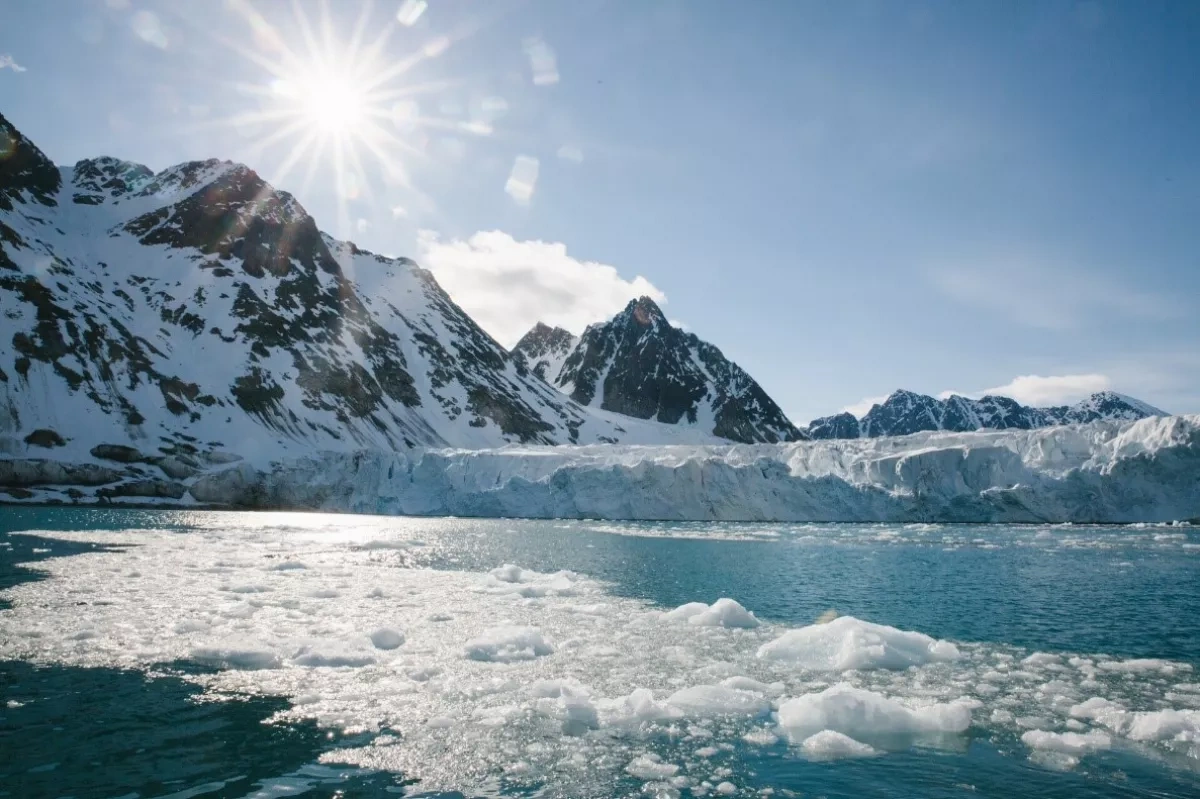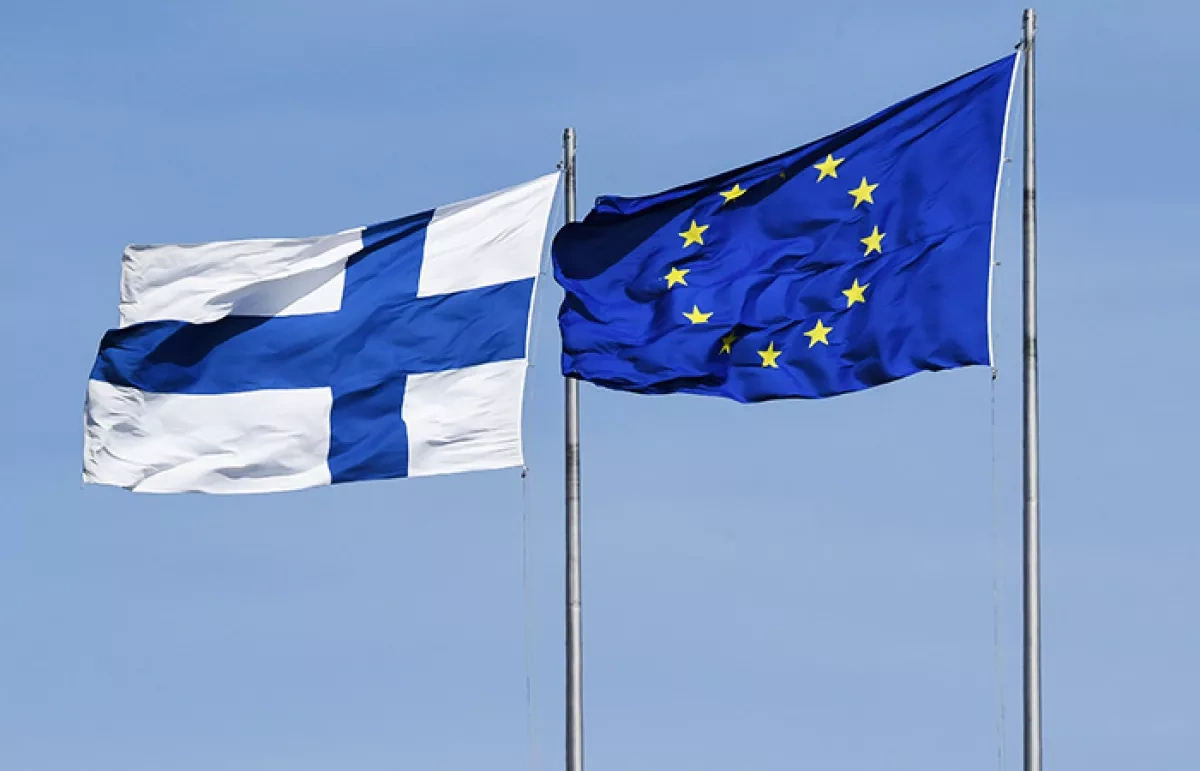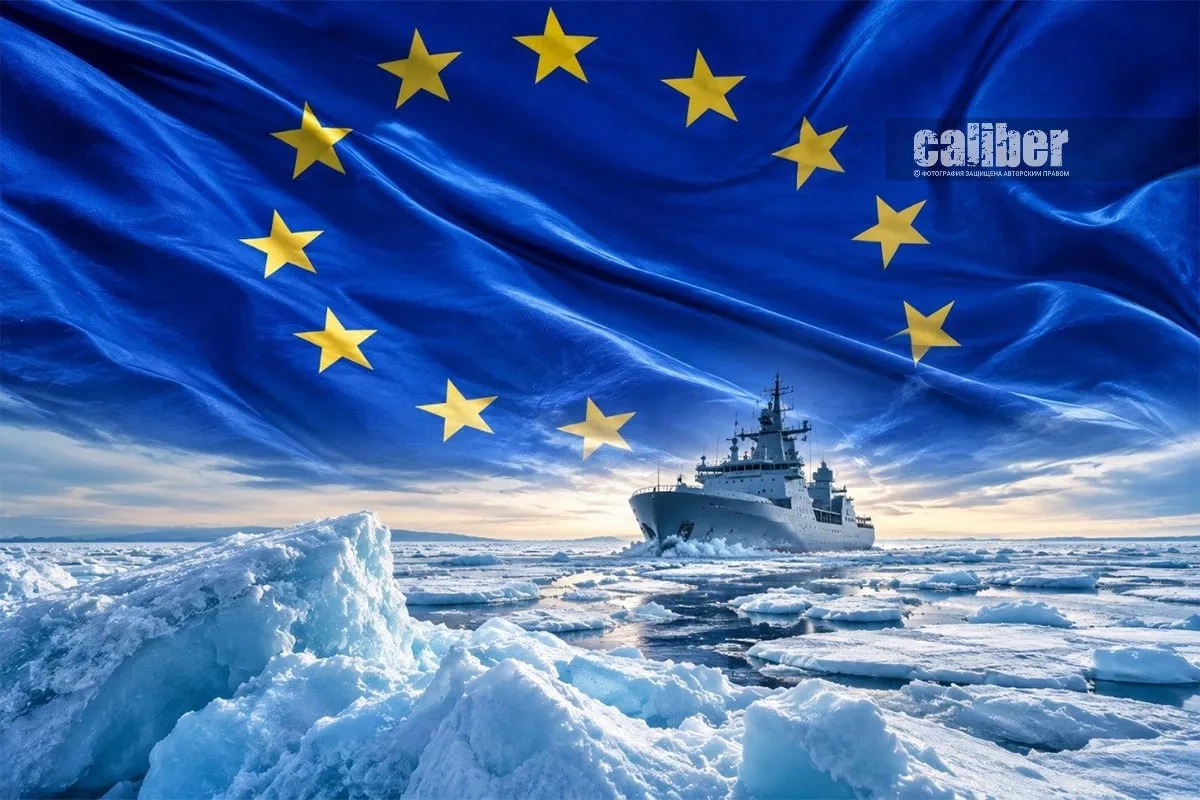
For a long time, the Arctic remained merely an endless realm of perpetual ice, far removed from great-power politics. But today, as glaciers rapidly retreat, revealing vast resources and opening up new trade routes, the northern latitudes are becoming one of the world’s most “heated” geopolitical hotspots. Brussels is now also seeking to turn the region into a distinct pillar of European security. On September 13–14, the Finnish city of Rovaniemi will host an EU Arctic summit aimed at developing a unified strategic approach to the planet’s “ice shield” amid the rapid growth of its geopolitical importance.
As noted on the official website of the Finnish government, citing a statement by Finnish Prime Minister Petteri Orpo, “The Arctic region is an increasingly important part of Europe's security environment. The European Union has direct interests in its stability, security and sustainable development. It is very valuable to be able to discuss these issues together with a comprehensive group of EU leaders.”
The importance attached to the issue is also underscored by the list of officials who have already expressed their intention to attend the event. They include German Chancellor Friedrich Merz, Polish Prime Minister Donald Tusk, Danish Prime Minister Mette Frederiksen, Estonian Prime Minister Kristen Michal, Latvian Prime Minister Andris Kulbergs, Lithuanian President Gitanas Nausėda, Romanian President Nicușor Dan, European Council President António Costa, and the EU’s top diplomat, Kaja Kallas.
And such interest in the Arctic realm is driven by the eternal and most reliable foundation of international politics — economic interests. Today, global actors view the Arctic not as a harsh climatic zone, but as a colossal treasure trove of the future. The statistics are staggering: the region is believed to contain up to 22% of the world’s undiscovered hydrocarbon reserves, as well as raw materials that are critically important to modern industry — one-tenth of global nickel reserves, along with significant quantities of platinum-group metals, cobalt, rare earth elements, gold, and diamonds. This represents a resource base of strategic importance, over which a new struggle is unfolding for control in the 21st century.
Second, the close attention being paid to the Arctic is driven by the region’s transport and logistics potential, particularly in light of the military conflicts shaking the world today. One of the consequences of these conflicts has been the disruption or blockade of transport routes that are vital to virtually every country.
As is well known, the environmentally catastrophic melting of Arctic ice is nevertheless making what were once prohibitively costly northern routes increasingly viable, potentially cutting the time required to transport goods between Asia and Europe significantly.
All these “ice dividends” are prompting global actors, including EU member states, to join the Arctic race, to establish a foothold in the region, gaining greater control over its resources, and securing influence over key maritime routes.
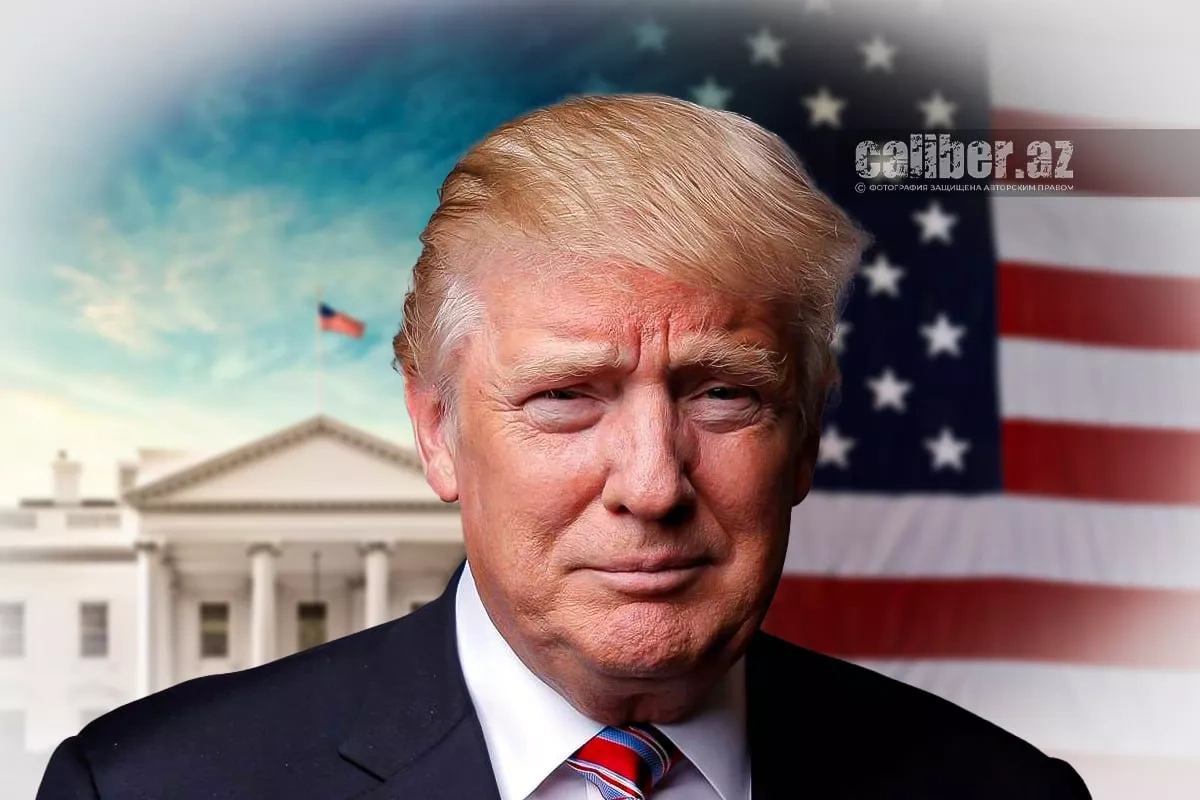
As for the geopolitical dimension, it is directly linked to U.S. policy. President Donald Trump’s repeated statements about the possibility of Greenland coming under U.S. control have apparently prompted the European Union to take the future of the Arctic much more seriously.
However, in its attempt to enter the “Arctic competition,” Brussels is highly likely to find itself in confrontation with Washington, as U.S. ambitions in the region are far-reaching and primarily focused on containing China and Russia. To this end, the United States has developed a comprehensive strategy aimed at countering initiatives by Beijing and Moscow. First, as a member of the Arctic Council, Washington is actively advancing its economic interests in the region. Second, it is strengthening its military presence in the “ice shield.”
This approach places the Arctic squarely within the framework of U.S. national security policy, significantly reducing the EU’s chances of establishing itself as a major player in the region.
Viewed through the prism of the Russian factor, it is worth noting that since the outbreak of the Russia-Ukraine war, the European Union’s approach to the Arctic has changed significantly. Brussels has increasingly come to view the region as the northern security shield of the Old Continent.
Against this backdrop, the choice of venue for the upcoming summit is highly symbolic: Finland shares a 1,271.8-kilometre land border with Russia. In this way, the EU appears to be signalling to Moscow that the “realm of cold and ice” is no longer a distant periphery, but part of Europe’s immediate strategic space and an integral element of its security umbrella.
The situation is further complicated by the fact that Russian-Finnish relations are now at a point well below freezing. Following Finland’s accession to NATO and the subsequent closure of the border, bilateral dialogue has effectively been frozen, while Moscow officially views the militarisation of this extensive northern border area as a direct threat to its strategic frontiers.
In this configuration, Russia is unlikely to leave the planned summit without a response and will most likely make its position known, emphasising that, “at Helsinki’s initiative, Brussels is turning the Arctic from a zone of low tension into an arena of geopolitical confrontation.”
Alongside its political rhetoric, Russia is expected to continue strengthening its defence infrastructure on the Kola Peninsula. Given that the Northern Fleet, which forms the maritime component of the country’s strategic nuclear forces, is based there, this strategic foothold will remain Moscow’s principal instrument of military deterrence in the high north.
As for China, Beijing’s reaction to the European Union’s Arctic plans will likely be restrained, in line with its favoured strategy of “watching from the sidelines.” The Middle Kingdom will once again demonstrate that its diplomatic armour is forged from pragmatism, and that the best response to European initiatives is, above all, cold calculation. In this case, that will likely involve stepping up efforts to consolidate China’s status as a “near-Arctic state,” particularly by defending its interests in scientific research and the development of northern transport routes. In addition, China will continue deepening its Arctic partnership with Moscow, pragmatically using it to strengthen its position along the Northern Sea Route.
Thus, the European Union’s September summit on the Arctic will most likely provide yet another impetus for global-power rivalry to enter a new phase, as geopolitical fault lines begin to shift decisively, transforming today’s frictions into an uncompromising clash of ambitions among the world’s major powers.