BAKU, Azerbaijan, August 25. Uzbekistan and
Mongolia are exploring opportunities to expand trade and
transportation ties through the “China–Kyrgyzstan–Uzbekistan”
railway, which could open up new opportunities for strengthening
ties with Central Asia and the South Caucasus.
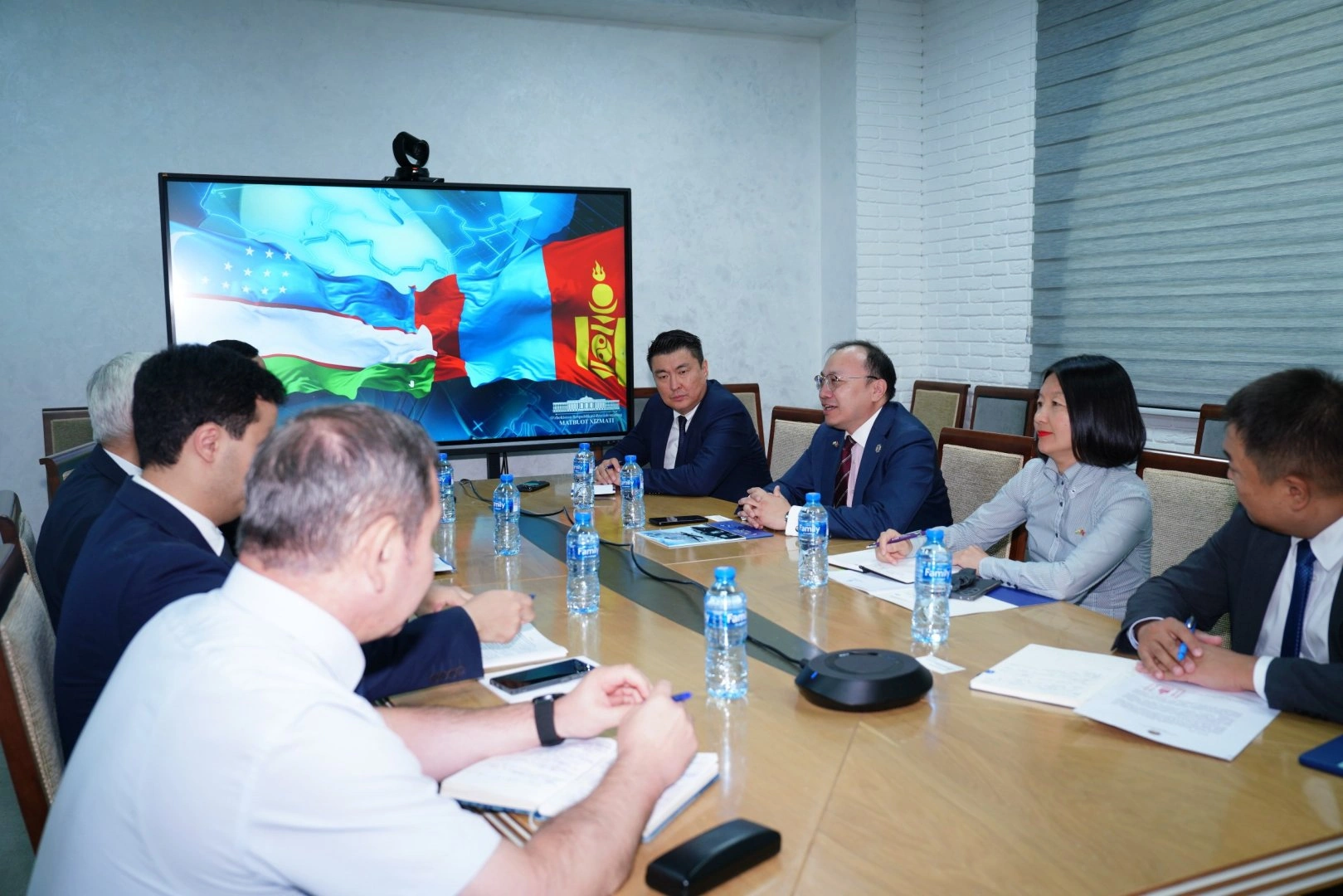
This was reflected in the statement by the Uzbek Ministry of
Investment, Industry and Trade, following a meeting between
officials of the Ministry of Investment and Dulguun Damdin-Od,
executive director of the International Think Tank for Landlocked
Developing Countries.
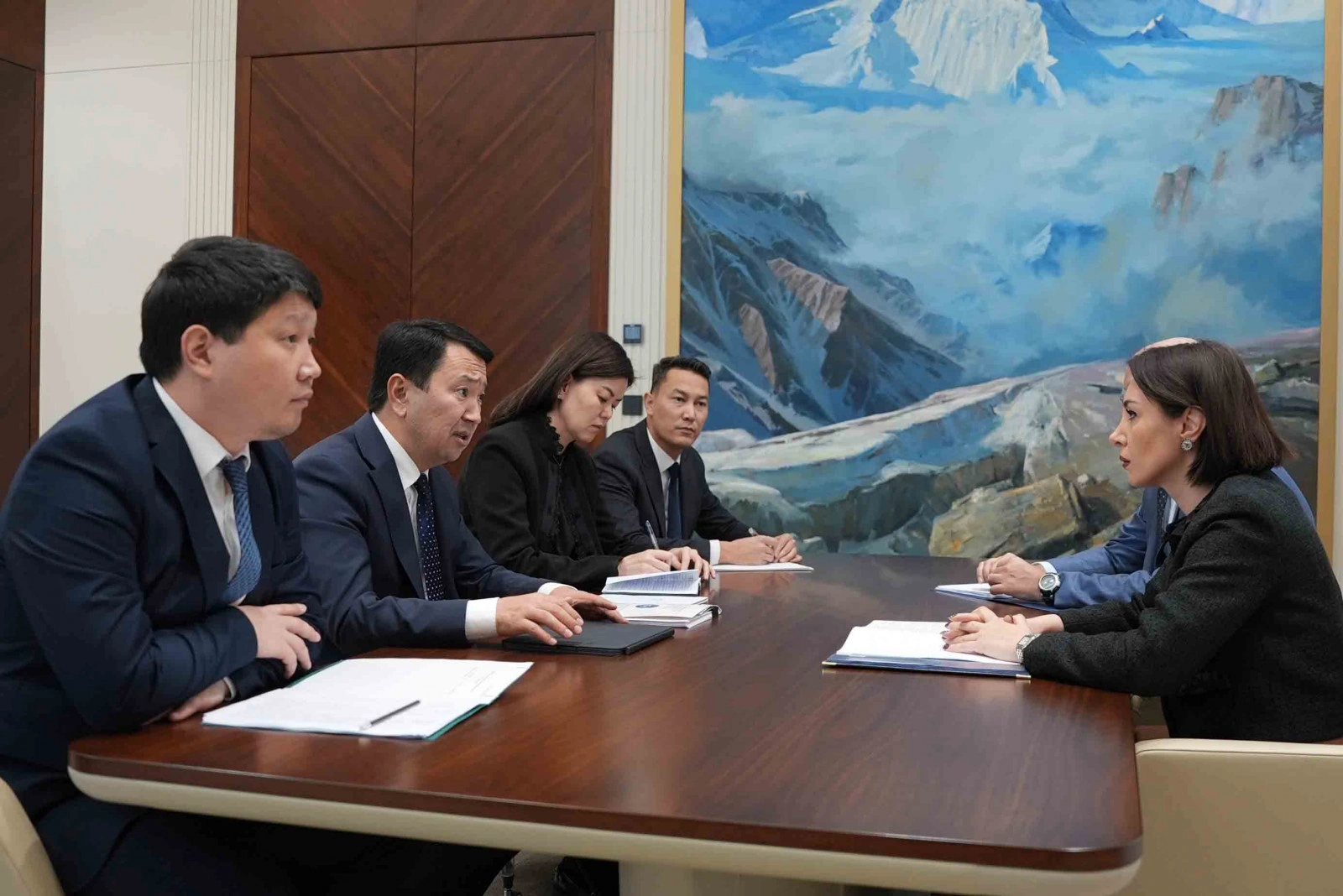
According to the Ministry, in the course of the meeting, the
sides reviewed prospects for expanding trade, economic, transport
and logistics cooperation between the two countries. Bilateral
trade reached $51.8 million in 2025, while a business forum held in
May brought together more than 70 companies from Uzbekistan and
Mongolia.
Particular attention was given to developing high value-added
production, building resilient supply chains, opening new
international transport routes, simplifying trade procedures and
expanding the digitalization of cross-border processes.
The China–Kyrgyzstan–Uzbekistan railway was highlighted as a
potential driver of greater regional connectivity. Once
implemented, the project could provide Mongolia with additional
intermodal transport options linking its markets with Uzbekistan,
other Central Asian countries and the South Caucasus.
“The China–Kyrgyzstan–Uzbekistan railway can create additional
opportunities for Mongolia to develop intermodal transport links
with Uzbekistan and broader regional markets,” the sides noted
during the meeting.
The discussions reflect efforts by the two landlocked countries
to diversify trade routes and improve connectivity amid growing
interest in regional transport corridors.
The sides also agreed to cooperate in preparing for and
organizing the 25th CAREC Ministerial Conference, scheduled to take
place in Ulaanbaatar in October.
The conference is expected to provide another platform for
Uzbekistan and Mongolia to advance discussions on trade
facilitation, regional connectivity and transport cooperation.