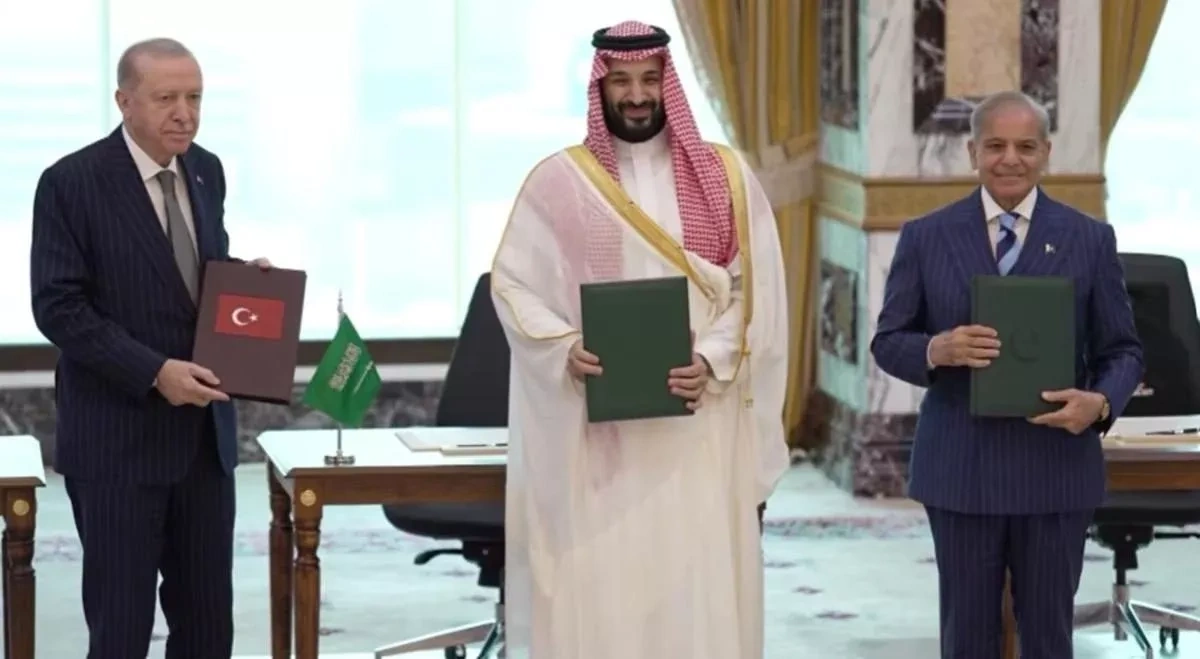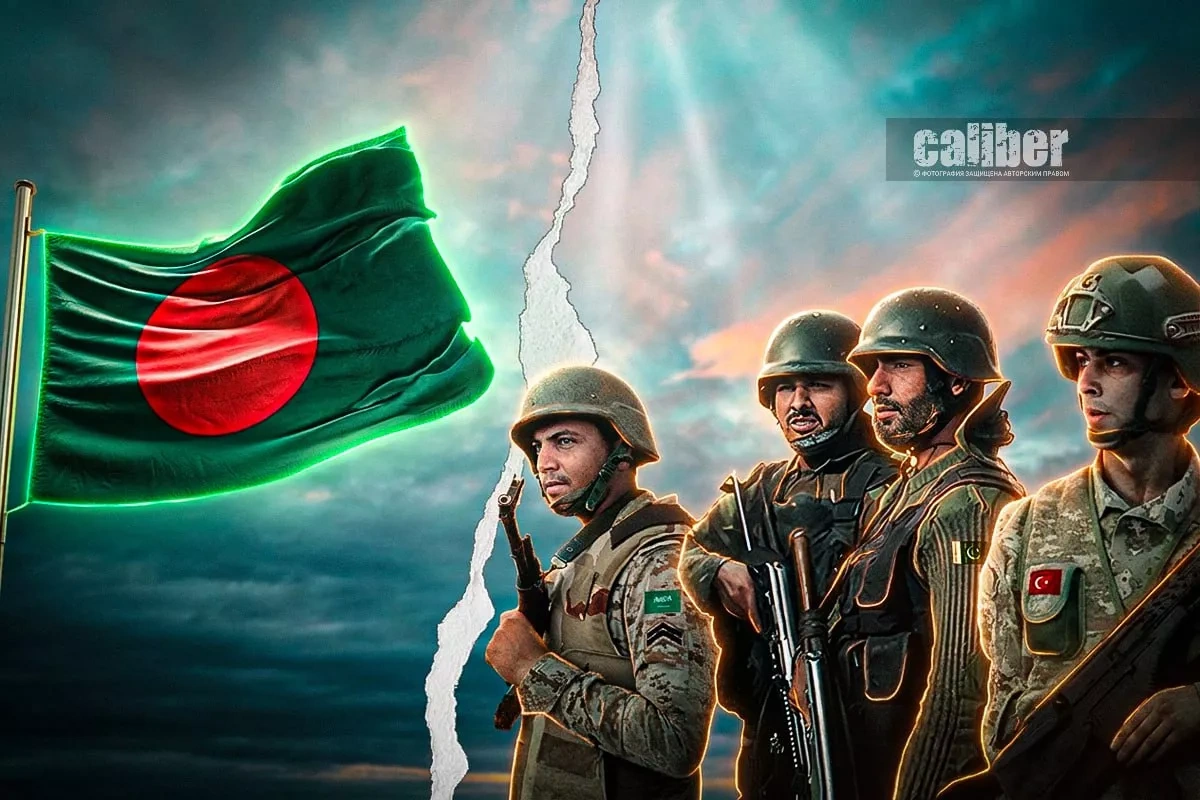
The “Mecca Pact,” concluded by Saudi Arabia, Türkiye, and Pakistan on August 7, 2026, could well expand its format in the foreseeable future by bringing in additional countries from the Middle East and South Asia.
Syria is currently considering the possibility of joining the defence agreement, while Iran was invited to join the alliance last week. Bangladesh also expressed interest in the “Mecca Pact” over the past week. In particular, Muhammad Kabir, an adviser to the country’s head of government, said Dhaka was ready to consider participation in the grouping, taking into account its national interests and the changing international environment.
Let us recall that the aforementioned trilateral treaty also establishes the principle of collective defence: an armed attack on any one of the three countries will be regarded as an attack on all member states. At the same time, the parties emphasise that the agreement is exclusively defensive in nature and is not directed against any particular country. Based on these key principles of the “Mecca Pact,” let us examine its advantages and disadvantages for Dhaka, as well as for Riyadh, Ankara, and Islamabad, should Bangladesh join the agreement.
What would Dhaka gain?
So, by joining the “Mecca Alliance,” Bangladesh would gain a collective security guarantee, which would undoubtedly strengthen the country’s defence capabilities. In addition, such a move would clearly expand Dhaka’s economic and trade ties with leading countries of the Islamic world. This is a compelling argument for the authorities, who are actively promoting the principle of “Bangladesh First,” particularly given that the country lacks a strong military-political alliance.
At the same time, membership would help enhance Dhaka’s standing on the international stage and diversify its foreign-policy ties. Moreover, joining the agreement could potentially help Bangladesh improve its relations with the West, particularly the United States, given that both Riyadh and Ankara are Washington’s allies. These, then, are the potential advantages.
From the standpoint of potential disadvantages, Dhaka’s possible accession to the “Mecca Pact” could negatively affect its relations with India, which has already viewed the agreement as the formation of a new strategic link between the Middle East and South Asia. Moreover, in what appears to be a customary attempt to heighten geopolitical tensions without substantial grounds, New Delhi was quick to voice serious concern over the prospect of Bangladesh joining the military pact. According to CNN, Indian authorities fear that such a move could significantly alter the strategic landscape in South Asia.
India’s expert and analytical community has also weighed in, with some analysts arguing that Islamabad is actively facilitating Dhaka’s integration into the “Mecca Alliance” and would seek to make use of Bangladeshi territory under the pact’s collective-security provisions. At present, New Delhi is making maximum diplomatic efforts to prevent the alliance from expanding to its eastern borders, CNN reports, stressing that Bangladesh’s accession to the alliance could significantly complicate India-Bangladesh relations over border issues, trade, and regional security.
A shift in the regional landscape
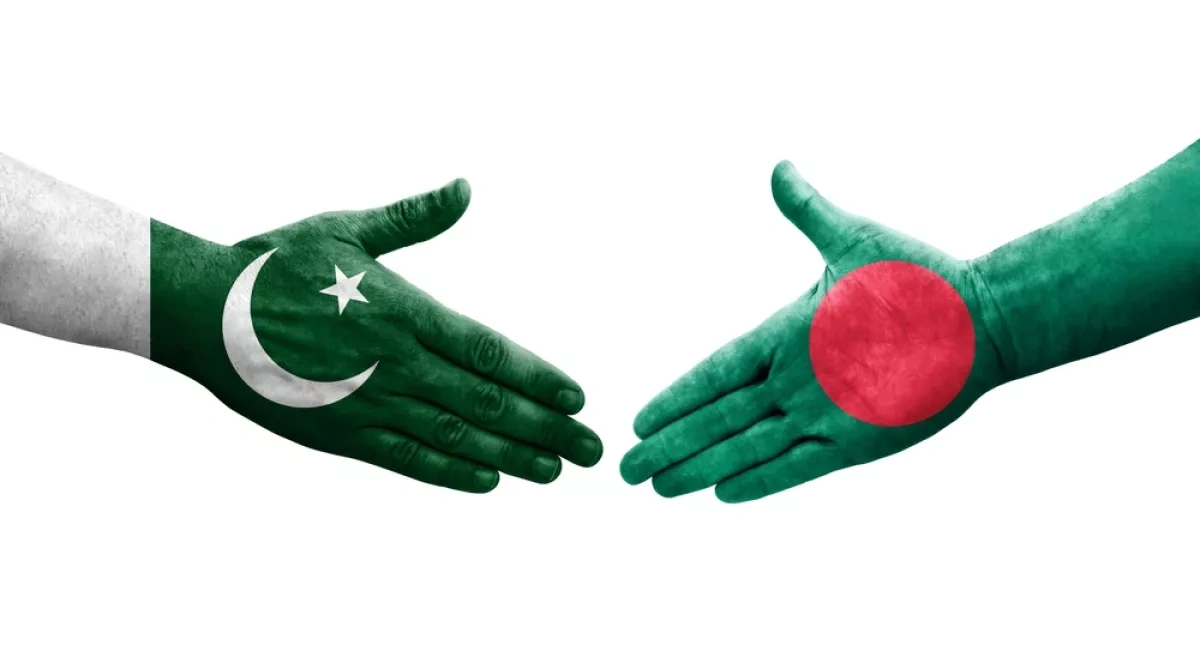
Bangladesh’s potential accession to the “Mecca Pact” carries particular symbolic significance for Pakistan, as the two countries that once fought each other could find themselves within the same regional framework — more precisely, under a common security mechanism. The two states went to war in 1971 over Bangladesh’s independence. The conflict stemmed from the struggle of the Bengali population for independence: the territory of present-day Bangladesh was then part of Pakistan and known as East Pakistan, while West Pakistan exercised political and economic dominance over the eastern wing. Following the victory of the Bengali political party in the elections, the Pakistani military launched a large-scale operation against local insurgents. India openly intervened on the side of the Bengalis, leading to the defeat of the Pakistani army and the emergence of an independent state.
Subsequently, after decades of deep estrangement, Pakistan-Bangladesh relations began to improve rapidly. Following the new government’s rise to power in Dhaka, the two sides stepped up political dialogue, launched direct maritime cargo services, eased visa restrictions, and expanded cultural ties. Seen in this context, Bangladesh’s possible accession to the “Mecca Pact” appears to be a logical step that could further strengthen Pakistan’s strategic influence in South Asia.
What would Bangladesh bring to Ankara and Riyadh?
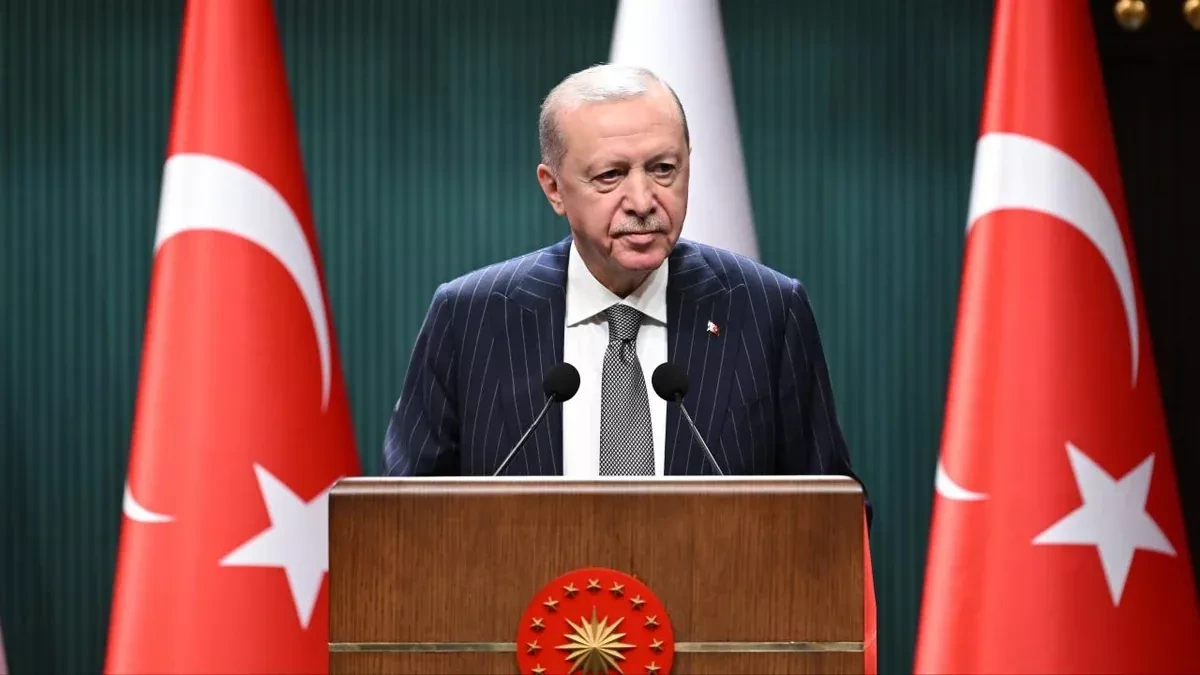
As Turkish President Recep Tayyip Erdoğan recently told Asharq Al-Awsat, “The Mecca Joint Defence Agreement, based on the understanding that the region’s problems should be resolved by its own members, is an expression of strategic will grounded in peace, stability, solidarity, and collective deterrence, rather than the formation of a bloc targeting any particular country. This historic step taken by Türkiye, Saudi Arabia, and Pakistan embodies the understanding that the security of one is the security of all.”
The Turkish leader’s message was addressed to the international community as a whole, but particularly to countries seeking to heighten geopolitical tensions, such as India. From this perspective, Bangladesh’s entry into the agreement’s orbit would transform the trilateral pact into a larger security structure, strengthening Türkiye’s position well beyond the Middle East. Moreover, Ankara would gain an opportunity to expand its defence exports — particularly unmanned aerial vehicles (UAVs) — into a new South Asian market, automatically boosting its presence in the region.
In turn, for Saudi Arabia, Bangladesh’s possible accession to the agreement would mean expanding the pact’s sphere of influence beyond the Middle East, strengthening the security of maritime routes, and reinforcing the Kingdom’s leadership in the Islamic world. From an economic perspective, it would further cement Riyadh’s ties with a country that supplies millions of workers to the Saudi labour market.
Taking all of the above into account, it can be concluded that Dhaka’s participation in the “Mecca Pact” would significantly enhance the agreement’s political standing internationally. Under such a scenario, it would cease to be an alliance of just three states and evolve into a broader Islamic security mechanism — a development that would, by definition, serve the interests of Riyadh, Ankara, and Islamabad.