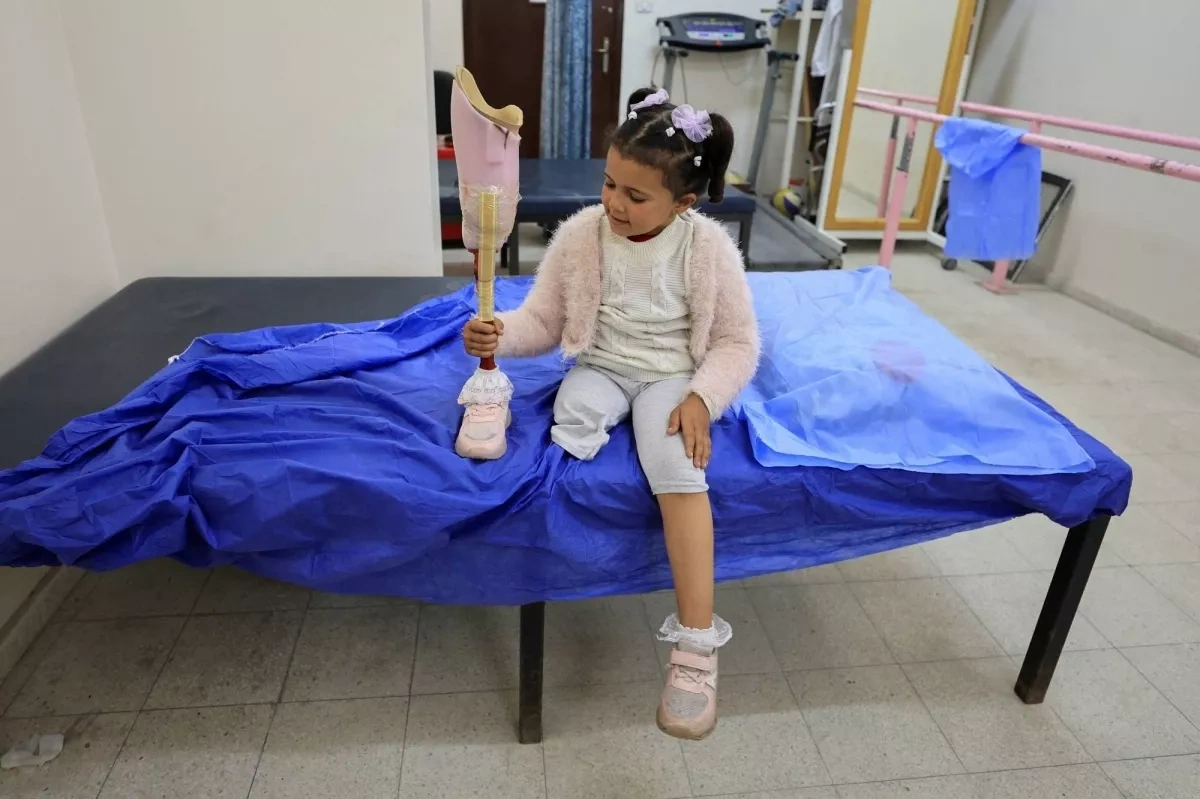
Gaza’s healthcare system is continuing to deteriorate, with displaced Palestinians facing growing difficulties accessing basic medical care, according to an opinion article by Gaza-based writer and nurse Hadeel Awad published by Al Jazeera on August 24.
Awad said the crisis was particularly severe in displacement camps, where poor sanitation, limited access to safe drinking water and exposure to extreme temperatures were worsening health conditions.
Last month, she joined a team of medics from a local private clinic that provided free medical check-ups at an informal camp at the site of what remains of Hassan Salama school in Gaza City’s Nasr neighbourhood. The team treated at least 150 people during the visit.
Patients included people with high blood pressure, diabetes, kidney problems, hepatitis, scabies and other infections. Children were treated for conditions including chickenpox, gastroenteritis, diarrhoea and respiratory infections.
Awad said many displaced people struggled to reach medical facilities because of transport costs, long distances, exhaustion and the difficult conditions in which they live.
She described the case of a 46-year-old man with a shrapnel-related foot injury who also had hypertension. Because Al Rantisi Hospital was only partially functioning and mainly providing services to children and oncology patients, he would have needed to travel to another facility.
The journey would have cost him at least $8 in transport, a significant amount for people struggling to afford basic food, Awad wrote.
According to figures cited in the article, UNRWA operated 22 clinics across Gaza before the war, but only six are currently operational. Of Gaza’s 34 hospitals, 19 are partially functioning.
The territory currently has about 2,200 inpatient beds for a population of roughly 2 million, compared with 700 beds at Al Shifa Hospital alone before the war.
Awad said shortages of supplies and medical personnel had also left services including laboratory testing, surgery and some treatments unavailable.
She argued that restoring healthcare in Gaza would require not only rebuilding hospitals but also re-establishing basic clinics and ensuring medical services reach people living in displacement camps.
By Aghakazim Guliyev