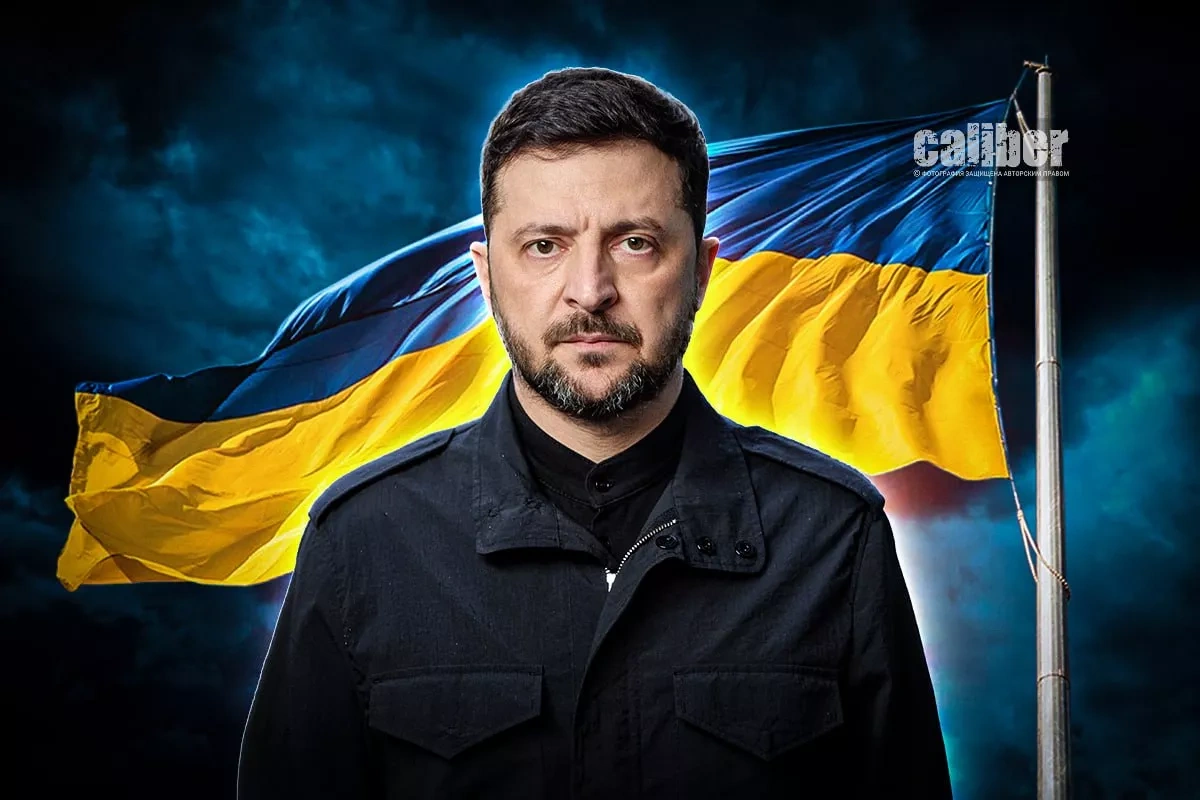
President of Ukraine Volodymyr Zelenskyy’s closed-door meeting with journalists was supposed to give him an opportunity to demonstrate that he remained in control of the situation and to answer questions that had piled up following another series of high-profile investigations by the National Anti-Corruption Bureau of Ukraine (NABU) and the Specialised Anti-Corruption Prosecutor’s Office (SAPO). However, judging by the published excerpts from the conversation, things turned out somewhat differently.
The cases in question are “Forrest Gump” and “Themis,” which involve former and current representatives of Ukraine’s political establishment, including former Deputy Head of the Presidential Office Iryna Mudra. According to NABU and SAPO, the investigations concern, among other things, money laundering and corporate raiding, and the released materials have caused a significant public outcry. This was precisely why Zelenskyy needed to respond publicly. The only question was what exactly he would say. Apparently, Bankova—the Ukrainian presidential administration—chose what it considered the safest line for the president: portray the developments as a problem involving individual figures, emphasise the independence of the anti-corruption agencies, and distance Zelenskyy himself as much as possible from the investigations.
The head of state said that he had no additional information about the case involving Mudra beyond what was already in the public domain, and that the available material had been sufficient to dismiss her: “I essentially heard, together with you, some conversations about certain actions—real or potential. It would be inappropriate to discuss them now.” He then made what was probably intended to be the meeting’s main political message: “The heads of the anti-corruption agencies have zero questions for me. They understand perfectly well that I am not involved in anything like that. And that is important to me.”
At first glance, the position is perfectly clear. The president of Ukraine is saying: investigate anyone you want, but there are no allegations against me. However, there is a much more complicated dilemma: How could corruption schemes, if the allegations presented by NABU and SAPO are confirmed in court, have existed in such close proximity to the head of state—namely, within his Office and among people who had access to state decision-making?
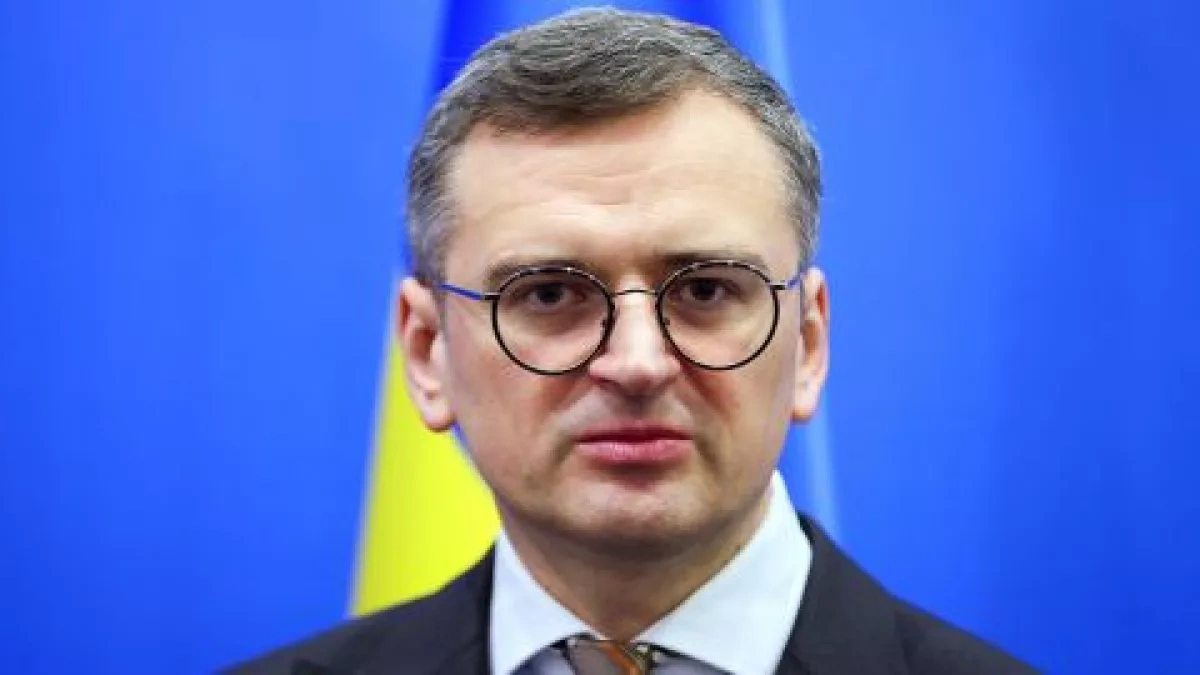
And here, a single statement of non-involvement is not enough—not even when it is accompanied by statements from others who have chosen to defend Zelenskyy. For example, former Foreign Minister Dmytro Kuleba’s claim that the president might not have known about the corruption schemes allegedly involving Mudra sounds rather comical. According to Kuleba, if someone had approached the head of state and suggested engaging in corporate raiding or corruption, that person “would have been thrown out in a second.”
The absurdity of this argument is obvious: the head of state may indeed be unaware of crimes committed by subordinates within his inner circle, yet he supposedly knows for certain that he would never agree to corruption if it were offered to him directly. It is worth recalling that this is not the first time Kuleba has demonstrated an ability to view the realities of Ukraine exclusively from the most convenient angle for those in power. While still serving as foreign minister, he argued that Western partners had exaggerated the level of corruption in the country for years and asked: "Wasn't the story of the corruption of the Ukrainian state itself 'historically exaggerated'?" Since then, Ukraine has experienced so many corruption scandals that recalling that remark today can only be done with bitter sarcasm.
Meanwhile, another problem for Zelenskyy is that Ukrainians remember not only today’s statements but also, for example, the events of 2025, when the authorities attempted to significantly alter the way the country’s anti-corruption agencies operated. At the time, steps were taken that critics viewed as an attempt to place NABU and SAPO under tighter political control. In particular, the proposed legislative changes were intended to limit the independence of these institutions.
After mass protests and a strong reaction from international partners, the independence of NABU and SAPO was restored. The National Anti-Corruption Bureau subsequently noted that the attempts at interference had been accompanied by searches of its employees and an information campaign targeting the agency itself. Against this backdrop, the president’s current assurances that the anti-corruption bodies are fully independent are inevitably viewed through the prism of that recent experience.
There is another extremely important episode. In 2023, Zelenskyy publicly proposed equating corruption committed under martial law with high treason. In August of that year, he said he intended to submit a corresponding bill to the Verkhovna Rada, stressing that corruption demoralises society, undermines trust in the state, and threatens national unity. In another statement, he directly described corruption and bribery during wartime as high treason. At the time, all of this was presented as a matter of principle during wartime. Yet all those words ultimately remained just words—the promises were never fulfilled.
So it is hardly surprising that many politicians, political analysts, and bloggers were unconvinced by Zelenskyy’s justifications. In particular, Ivanna Klympush-Tsintsadze, a member of parliament from the European Solidarity party, said that it was no longer possible to watch the “lawlessness, destruction of the remnants of state governance, and corruption farces staged by the schemers whom Zelenskyy brought with him into government.”
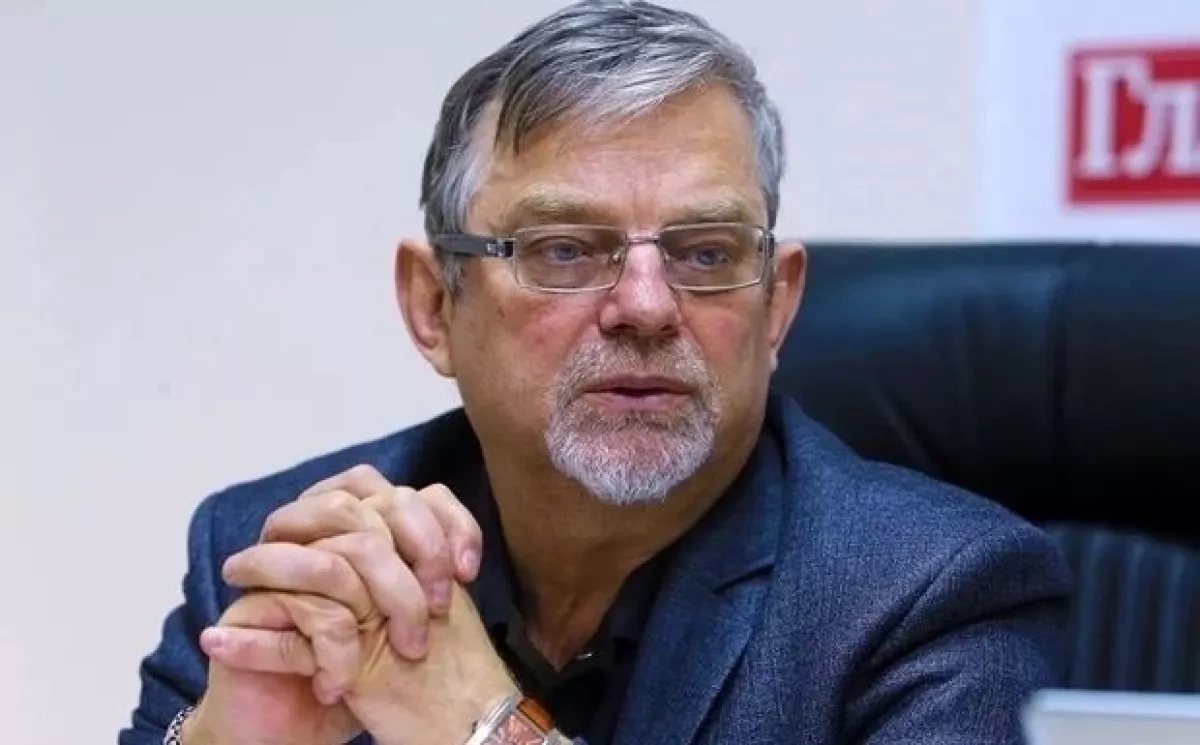
Meanwhile, political analyst and director of the Ukrainian Barometer sociological service Viktor Nebozhenko posted the following on his Facebook page: “Zelenskyy has nothing to say to Ukrainian society, but he does have something to say to the ‘inclusive’ journalists from the president’s loyal media pool. The self-confident president of Ukraine, speaking in a comfortable setting, honestly admitted that there are problems in the country, but they can be solved, and that he himself did not steal anything—others did, and he has nothing to answer for. It is still too early to say or admit that horrific corruption exists in the Presidential Office, right under the noses of the country’s top intelligence chiefs, amid a devastating war. It is not that simple, and we should not rock the ‘office boat’ during wartime. Journalists from the Presidential Office, ‘blessed’ by the president of Ukraine himself with his attention, happily carried the ‘good news’ across social media as if following the same script. And everything fell silent across the country—until the next corruption scandal, street protests, personnel reshuffles, and yet another political blunder by Zelenskyy.”
The former Verkhovna Rada MP and popular blogger Boryslav Bereza commented even more harshly on the head of state’s statements on Facebook: “It sounds very nice and convincing after Mudra’s remarks about Zelensky stomping his feet and Mykytas’s comments about Zelenskyy screaming and demanding the dismissal of a Sense Bank financial-monitoring employee who refused to transfer suspicious funds as bail for Yermak.” Bereza also stressed that, judging by the discussion, the president’s closed-door meeting with media representatives apparently did not address the question of “who those unidentified individuals from the Presidential Office were who ordered Iryna Mudra to illegally post bail for Halushchenko.”
There are many similar comments within Ukraine’s political and expert circles. Against this backdrop, simply saying that the heads of the anti-corruption agencies have “zero questions” for him is no longer enough for Volodymyr Zelenskyy to put an end to the debate—either in Ukraine or internationally.