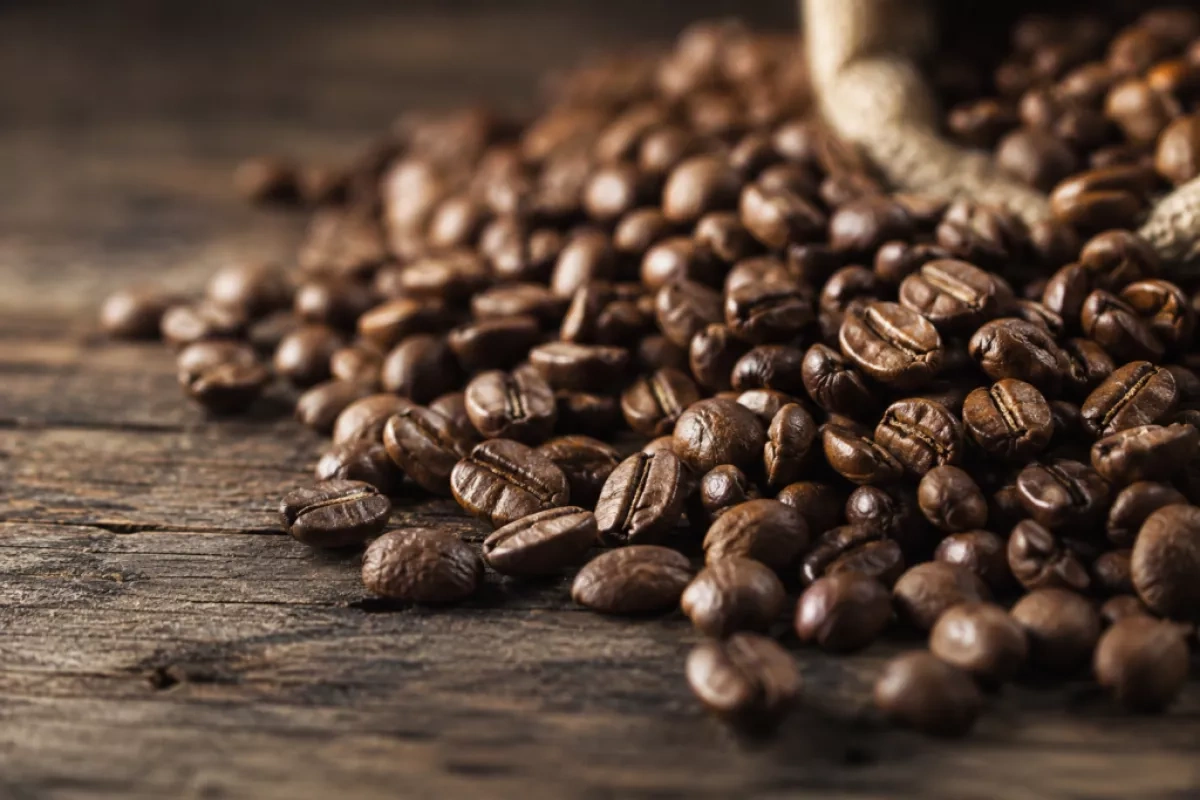
Getting hold of the best Arabica coffee beans may prove harder for premium roasters and their customers, after crops in Brazil were hit by a wave of heavy downpours, Bloomberg reports.
The outlet said the rains in the world’s biggest producer not only delayed harvesting but also compromised quality in key producing regions, tightening the availability of sought-after beans suitable for the best blends sold by Starbucks Corp., Luigi Lavazza SpA and Illycaffe SpA.
Premium arabica coffee has a particularly aromatic and mild taste that requires the right conditions. The showers washed off large amounts of ripe coffee cherries from the trees, leaving the fruits that contain the beans soaking on waterlogged soil and exposed to contamination. That can result in undesirable mouldy, musty flavours.
“The vast majority of the beans end up developing quality problems, resulting in coffee with a higher degree of fermentation, which significantly affects the beverage,” said Simão de Lima, chief executive officer of the Expocacer cooperative, which represents over 800 growers in the Cerrado Mineiro region of southeastern Brazil. “This has had a significant impact.”
Lima estimates that an average of 20% of the crop’s cherries were washed off the trees by the tropical rains, compared with about 5% to 7% in a typical year.
Then, after the beans were eventually collected, a second wave of rains in July poured on coffee that had been laid out to dry, forcing some growers to restart the drying process and further compromising quality.
Achieving a delicate balance between washing and drying harvested beans is key to controlling moisture and attaining the right levels of acidity, as well as preserving volatile compounds that give arabica its characteristic notes.
“You have coffee that’s already drying on the ground, then more rain falls on that coffee and you have to start drying all over again,” said Lima.
Rainfall reached 250% to 500% of normal levels across parts of Brazil’s coffee belt in June and July, with some areas getting as much as eight times the usual amount, according to weather forecaster Vaisala.
The impact of rains has already affected prices. Arabica coffee futures have risen about 35% since June, erasing much of this year’s declines. In the physical market, fine Brazilian coffees are commanding premiums of as much as 15 cents a pound above New York futures, according to four brokers with direct knowledge of the matter.
By Bakhtiyar Abbasov