BAKU, Azerbaijan, August 21. Uzbekistan and
Kazakhstan held working talks on nuclear, radiation and
environmental safety as part of efforts to strengthen regional
cooperation on the development of nuclear energy.
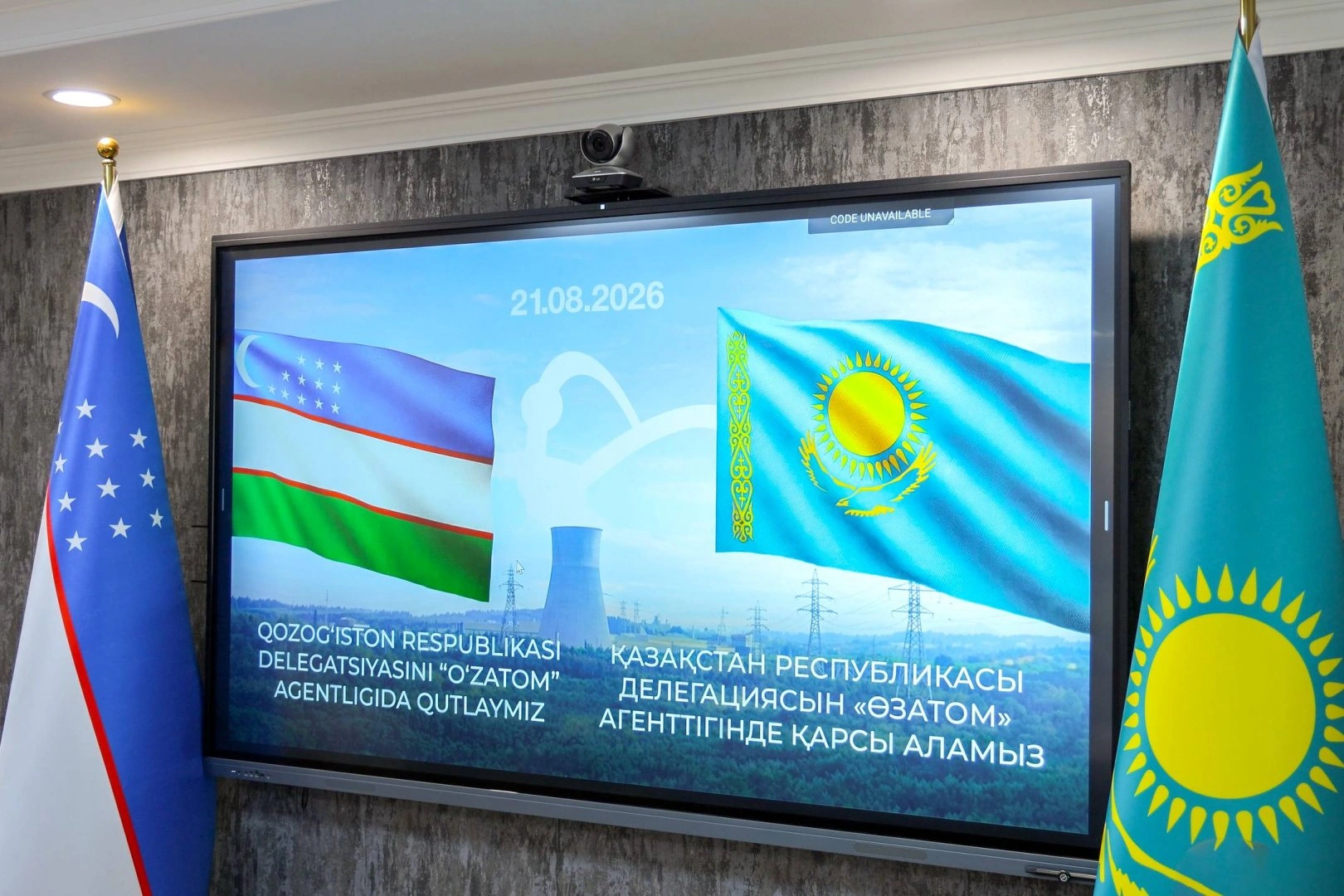
This was reflected in the statement by the Uzatom, following a
meeting between representatives of relevant Uzbek ministries and
agencies and a Kazakh delegation led by Mansur Oshurbayev,
Kazakhstan’s Vice Minister of Ecology and Natural Resources.
The sides reviewed technical and environmental aspects of the
construction and future operation of Uzbekistan’s nuclear power
plant, according to Uzatom.
Representatives of Uzbek organizations involved in the nuclear
power plant project presented updates on design, surveying and
preparatory work, as well as approaches to nuclear safety and
environmental monitoring.
“Safety is an unconditional priority of Uzbekistan’s national
nuclear program. We are consistently building a nuclear, radiation
and environmental safety system in line with national legislation
and international standards,” Uzatom Director Azim Akhmedkhadjayev
said.
He added that open dialogue with neighboring countries,
particularly Kazakhstan, helps strengthen mutual trust and ensures
that the regional context is taken into account throughout the
project’s implementation.
Kazakhstan’s Oshurbayev emphasized the importance of ensuring
the safe and sustainable development of nuclear energy in Central
Asia.
“Kazakhstan is interested in the sustainable and safe
development of nuclear energy in the region. The exchange of
experience, transparency of approaches and joint work on
environmental protection serve the interests of both countries and
the people of Central Asia,” he said.
Representatives of Uzbekistan’s Directorate for the Construction
of the Nuclear Power Plant, O‘zGASHKLITI Institute and UzLITI
Engineering also presented information on the project’s
progress.
The Kazakh delegation raised questions during the technical
session, while representatives of Uzbekistan’s energy, ecology and
emergency management authorities provided additional
explanations.
The sides agreed on key areas for further cooperation, including
a roadmap and follow-up measures.
Particular attention was also given to developing regional
expertise and workforce capacity in nuclear energy. Uzbekistan
presented plans for a specialized center that would combine
training programs, practical laboratory-based instruction, expert
support and academic mobility for specialists from Central Asian
countries.
The proposed center would also support the development of
national nuclear infrastructure in line with International Atomic
Energy Agency recommendations and create a regional knowledge base
drawing on Uzbekistan’s experience in nuclear power plant
construction and operation.
The sides reaffirmed their commitment to maintaining regular
expert dialogue and strengthening cooperation on the safe and
responsible development of peaceful nuclear energy in Central
Asia.