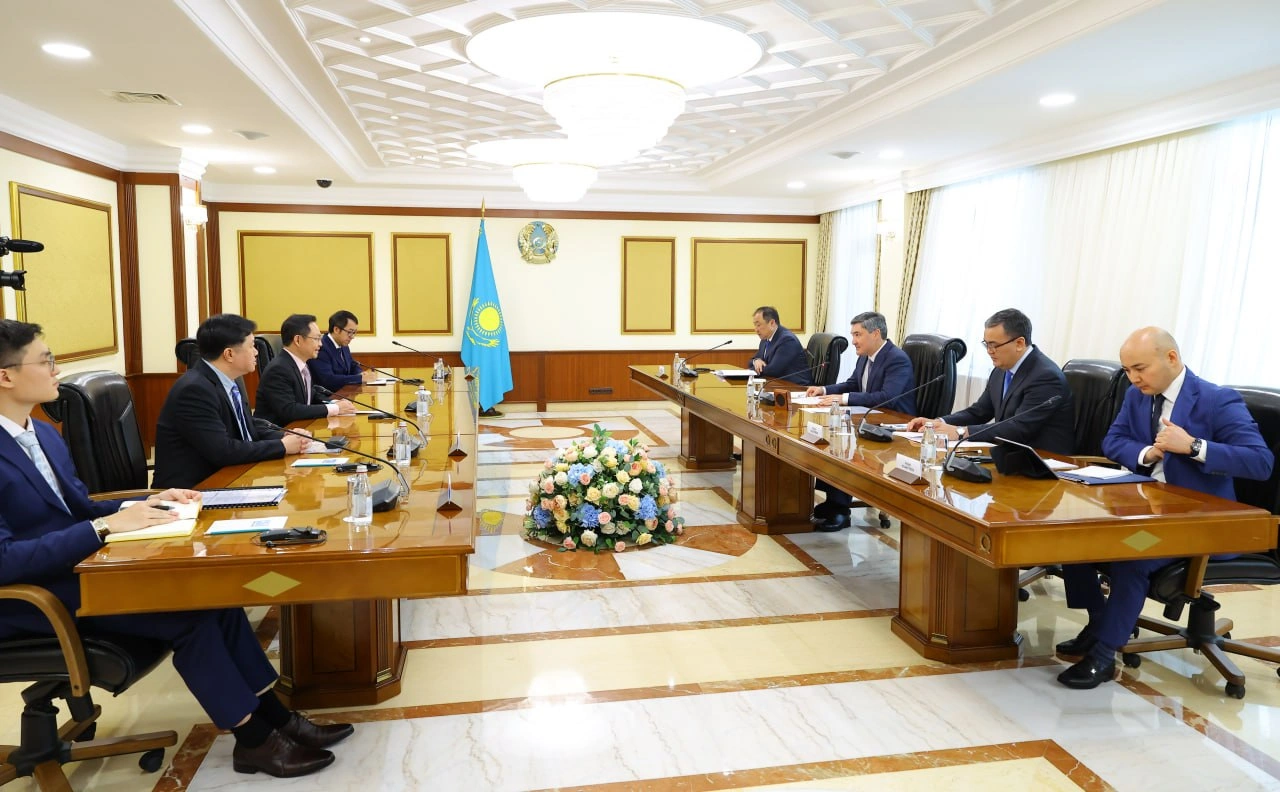
BAKU, Azerbaijan, August 21. Singaporean Changi
Airport Group (CAG) is interested in further deepening cooperation
with Kazakhstan, particularly in the implementation of the project
to construct a new airport in Astana, the Kazakh Prime Minister's
press service reported.
The issue was addressed during a meeting between Kazakh Prime
Minister Olzhas Bektenov and Changi Airport Group CEO Yam Kum Weng.
The sides discussed prospects for cooperation in the aviation
sector.
"Yam Kum Weng expressed Changi Airport Group's interest in
further deepening cooperation with Kazakhstan. The head of the
Singaporean company noted Astana's significant potential as a
bridge between Europe and Asia and confirmed the group's readiness
to provide its expertise, knowledge and experience in the airport
sector for the implementation of the project to construct a new
airport in the capital as a regional hub", the government said.
Bektenov noted that, in line with instructions from Kazakh
President Kassym-Jomart Tokayev to establish an international
aviation hub, comprehensive work is underway to develop Astana's
airport infrastructure, including the construction of a second
airport.
He noted the significant potential for expanding practical
cooperation between Kazakhstan and Singapore and emphasized the
importance of attracting international experience and the company's
technological expertise to the development of Kazakhstan's aviation
infrastructure.
Following the meeting, the sides confirmed the high level of
Kazakhstan-Singapore relations and expressed interest in further
expanding practical cooperation.
The sides noted that further cooperation could focus on creating
a comprehensive airport ecosystem in Kazakhstan.
Changi Airport Group operates Singapore's Changi International
Airport and Seletar Airport. Through its subsidiary Changi Airports
International, the group participates in airport development,
management and master-planning projects at more than 60 airports in
over 20 countries.
The group also implements advanced digital solutions, including
biometric technologies and automation, and follows
carbon-neutrality principles.