BAKU, Azerbaijan,
August 16. The Caspian Sea, as a strategic body of
water, plays a decisive role in shaping relations among its five
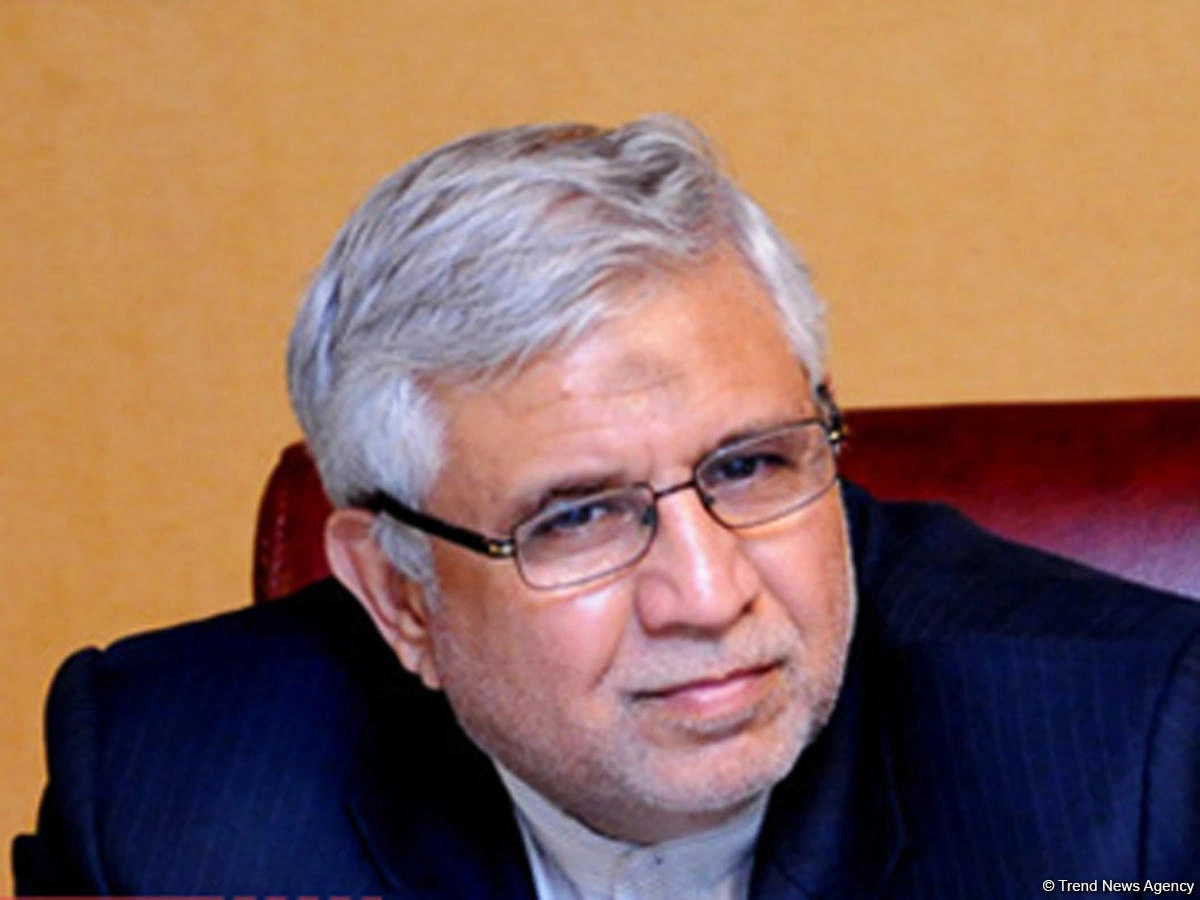
littoral states across various areas, former Iranian Ambassador to
Azerbaijan Mohsen Pakayin told Trend in an exclusive interview.
“The Caspian Sea is of great importance due to its diverse
marine life and its unique geopolitical position for shipping,
particularly for countries such as Turkmenistan, Kazakhstan and
Azerbaijan, which have no access to international waters other than
through the Caspian Sea,” he said.
Pakayin noted that the Caspian Sea’s geopolitical importance
extends to transportation and cargo shipping. Its rich biodiversity
has also made environmental protection a major priority. He said
the designation of Caspian Sea Day helps draw international
attention to efforts to preserve its ecosystem.
The former ambassador noted that the Convention on the Legal
Status of the Caspian Sea was signed by the presidents of the five
littoral states on August 12, 2018. The convention was the result
of 20 years of intensive diplomacy, 52 expert meetings, 10 meetings
of foreign ministers and a series of summits involving Iran,
Azerbaijan, Russia, Kazakhstan and Turkmenistan.
“One of the important achievements of the Convention on the
Legal Status of the Caspian Sea is its explicit provision that
non-littoral states may not have a military presence in the Caspian
Sea. The parties also undertake not to provide their territory for
military purposes to other states. This increases the Caspian Sea’s
role as one of the safest and most stable bodies of water,” Pakayin
said.
According to him, the convention has created favorable
conditions for constructive cooperation among the littoral states
in political, military, fisheries, environmental, shipping,
scientific and research fields.
Pakayin said the document establishes a common legal framework
for the effective implementation of rules by providing clear
technical and legal definitions concerning internal waters,
territorial waters, exclusive fishing zones, common maritime space,
marine biological resources and pollution.
“Under the April 4, 1940 trade agreement, the parties could fish
only within 10 miles of their respective shores. Under the new
convention, the fishing zone has been extended to 25 miles. This
can be considered a new opportunity for utilizing the resources of
the Caspian Sea,” he said.
He also highlighted cooperation in combating international
terrorism and its financing, trafficking in arms, narcotics and
psychotropic substances, as well as migrant smuggling.
“In the field of transportation, the convention facilitates
transit between the Caspian Sea and international waters through
land and maritime routes within bilateral and multilateral
frameworks and guarantees freedom of movement for vessels of the
littoral states,” Pakayin said.
The former ambassador emphasized the importance of trade
cooperation among the Caspian states, noting that positive ties
have developed in recent years between businesses and
private-sector companies in the five countries, particularly in
imports and exports.
He said business forums are regularly held in the region, while
governments are seeking to encourage private-sector activity and
remove barriers to create additional incentives for
cooperation.
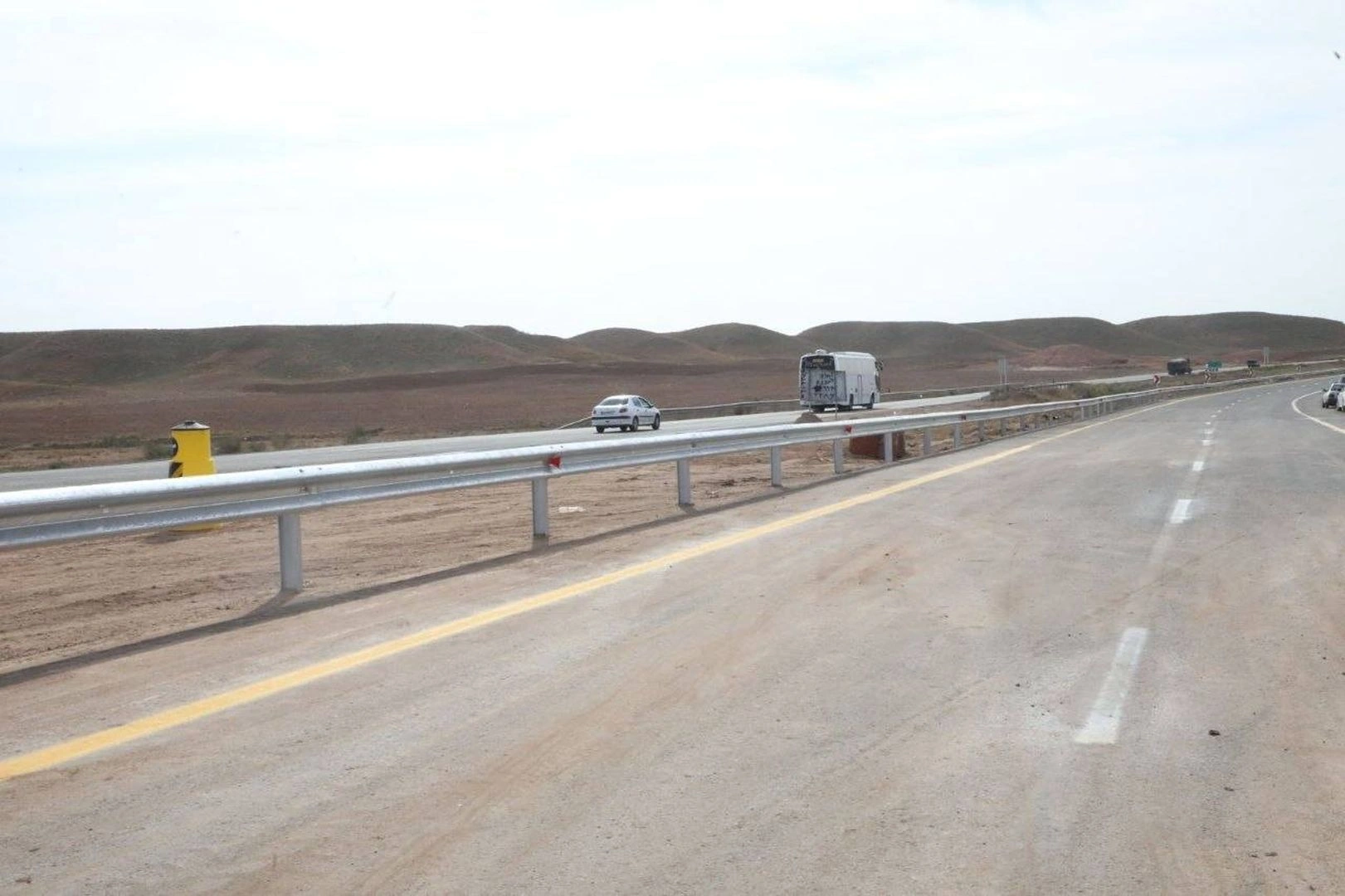
Pakayin also pointed to the development of Iran’s transport
infrastructure. About two years ago, a railway linking Iran’s
Caspian port to the Rasht railway was commissioned. The railway
connects to the port of Bandar Abbas, allowing cargo from Caspian
littoral states to reach the southern Iranian port and then be
transported to other destinations, including Türkiye and
Europe.
“These routes are also used for imports into Iran. At the same
time, cargo is transported by trucks to various destinations
through Iran’s Amirabad Port. All these activities contribute to
the development of trade in the Caspian Sea and create conditions
for broader cooperation among the littoral states,” he said.
According to Pakayin, expanded transport links could also
contribute to greater movement among the five countries, cultural
exchanges, stronger social ties and tourism.
“Under the convention, the littoral states also support the
protection of the Caspian Sea ecosystem and the prevention of
pollution resulting from maritime, industrial and coastal
activities,” Pakayin said.
He added that negotiations are currently underway on six draft
documents concerning confidence-building measures in military
activities, combating illegal fishing and drug trafficking,
maritime security and scientific research.
“Iran considers relations with neighboring countries a priority
and has good relations with Russia, Kazakhstan, Azerbaijan and
Turkmenistan. The Caspian Sea is one of the important pillars for
strengthening these relations,” Pakayin said.