BAKU, Azerbaijan, August 14. Uzbekistan and
South Korea discussed plans to digitize rice farming and introduce
innovative technologies to improve agricultural productivity and
research cooperation.
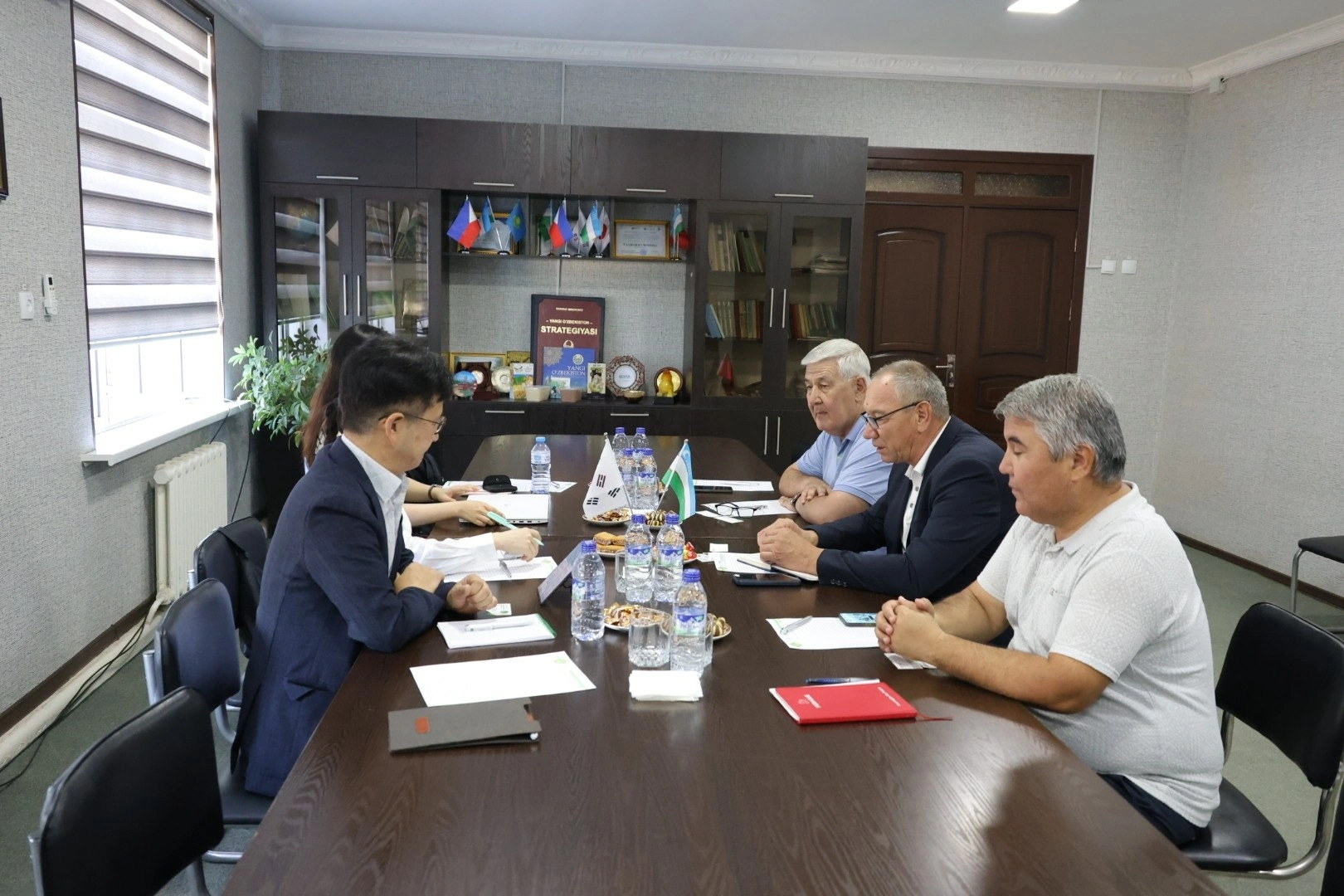
This was reflected in the statement by the Ministry of
Agriculture of Uzbekistan, following a meeting with Sanghyun Kim,
director of the International Agricultural Cooperation Center of
South Korea’s Macro Agricultural Policy Division at Uzbekistan’s
Rice Research Institute.
Institute Director Abdullo Mansurov briefed the Korean
delegation on the institute’s research activities, including the
development of new rice varieties, modern agricultural technologies
and efforts to strengthen links between scientific research and
agricultural production.
Particular attention was given to the use of digital
technologies and artificial intelligence in rice farming.
The sides explored the possibility of developing a modern
digital platform capable of identifying and forecasting potential
problems in rice cultivation, remotely monitoring crop conditions,
optimizing agricultural practices and predicting yields.
Such technologies could provide farmers and agricultural
specialists with more timely data, allowing them to make more
informed decisions throughout the growing season.
The participants also discussed integrating research findings
into digital databases and expanding the practical application of
modern technologies in rice production.
Another focus was on strengthening the skills of specialists and
young researchers and expanding exchanges of experience between
scientists from Uzbekistan and South Korea.
“The development of digital and innovative technologies can
create new opportunities to improve the efficiency and productivity
of rice farming,” the Uzbek side said.
The cooperation comes as Uzbekistan seeks to modernize its
agricultural sector through digitalization, technology transfer and
stronger links between research institutions and producers.
The sides identified potential areas for joint research
projects, technology development and professional training, with
the aim of strengthening scientific cooperation and bringing
innovation more deeply into rice production.
Following the meeting, the parties agreed to continue
cooperation on digital and innovative solutions, implement joint
scientific projects, develop professional capacity and expand
exchanges between researchers from the two countries.