BAKU, Azerbaijan, August 14. Uzbekistan and
Turkmenistan discussed measures to expand transport and logistics
cooperation, including improving border procedures, increasing
cargo flows and developing new transit routes between the
countries.
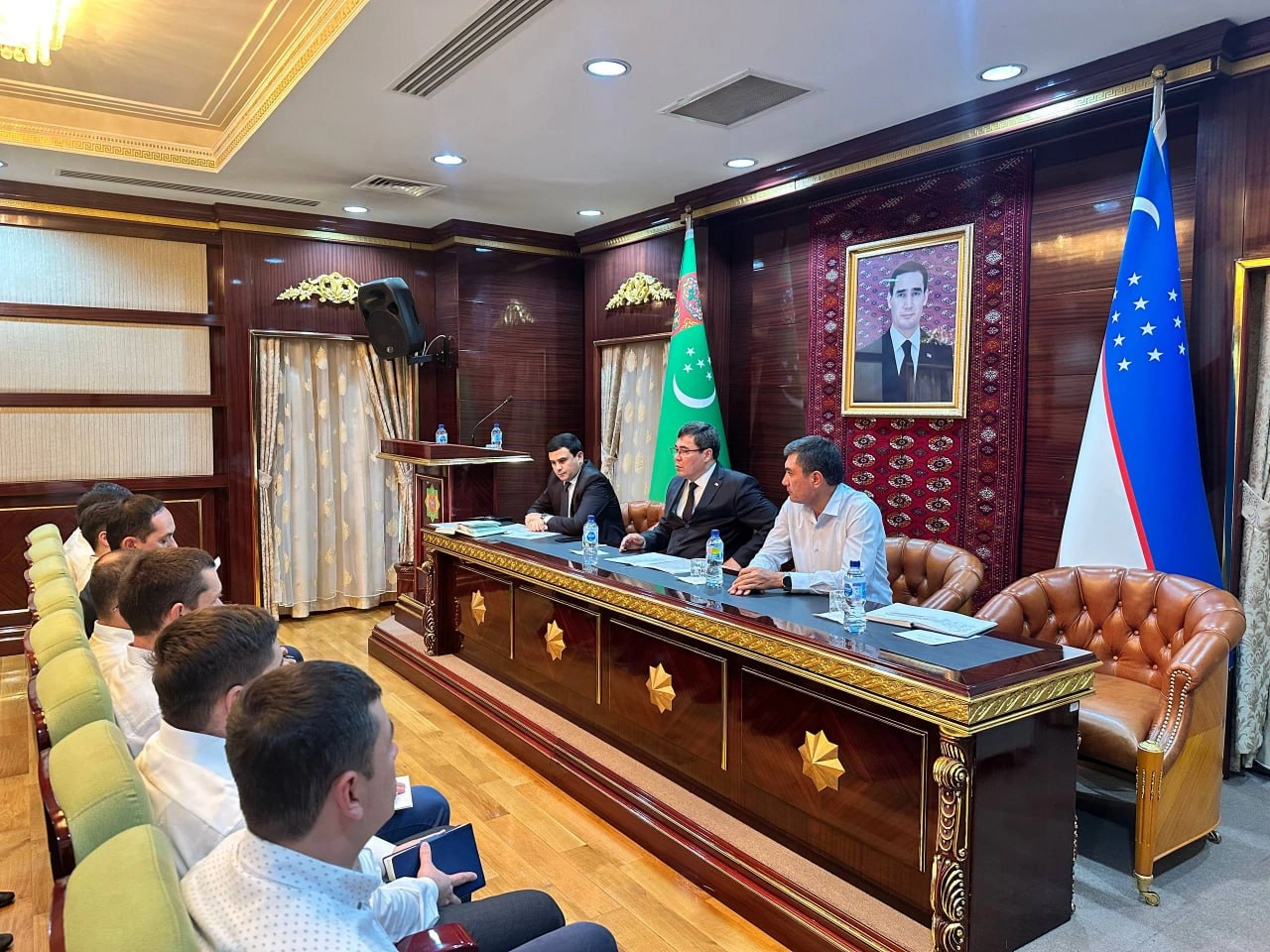
This was reflected in the statement by the Uzbek Ministry of
Transport following a meeting between Turkmenistan’s Ambassador to
Uzbekistan, Shadurdy Meredov, and representatives of Uzbekistan’s
transport and logistics sector.
According to the ministry, the participants included Bekzod
Kholmatov, director of the Center for Transport and Logistics
Development Studies, representatives of Uzbekistan’s Foreign
Ministry and the Association of International Road Carriers, as
well as executives from national transport companies and
freight-forwarding firms.
''The sides discussed a range of measures aimed at making
cross-border transportation more efficient. Key issues included the
introduction of electronic visa processing for drivers,
optimization of related payments, and improvements to procedures at
the Farap-Alat border crossing,'' the ministry said in a
statement.
Particular attention was given to reducing queues and waiting
times for carriers and improving the overall efficiency of
border-crossing operations.
The parties also discussed establishing a dedicated corridor for
perishable goods, which could help speed up the movement of
time-sensitive cargo between the two countries.
Another proposal involved constructing a second bridge in the
neutral zone to increase the capacity of the existing border
infrastructure.
The sides also considered increasing road and rail freight
traffic through Turkmenistan’s Turkmenbashi port, revising weight
and dimension restrictions for vehicles and restoring direct air
connectivity between Uzbekistan and Turkmenistan.
“The Turkmen side expressed readiness to consider the proposals
raised during the meeting and submit them to the relevant state
authorities,” according to the Uzbek side.
The discussions come as Uzbekistan and Turkmenistan seek to
strengthen their roles in regional transport and transit networks
and improve connectivity between Central Asia and international
markets.
The parties agreed to continue cooperation on the discussed
initiatives and work toward creating more favorable conditions for
carriers and expanding transport and logistics links between the
two countries.