BAKU, Azerbaijan, August 8. Azerbaijan, which
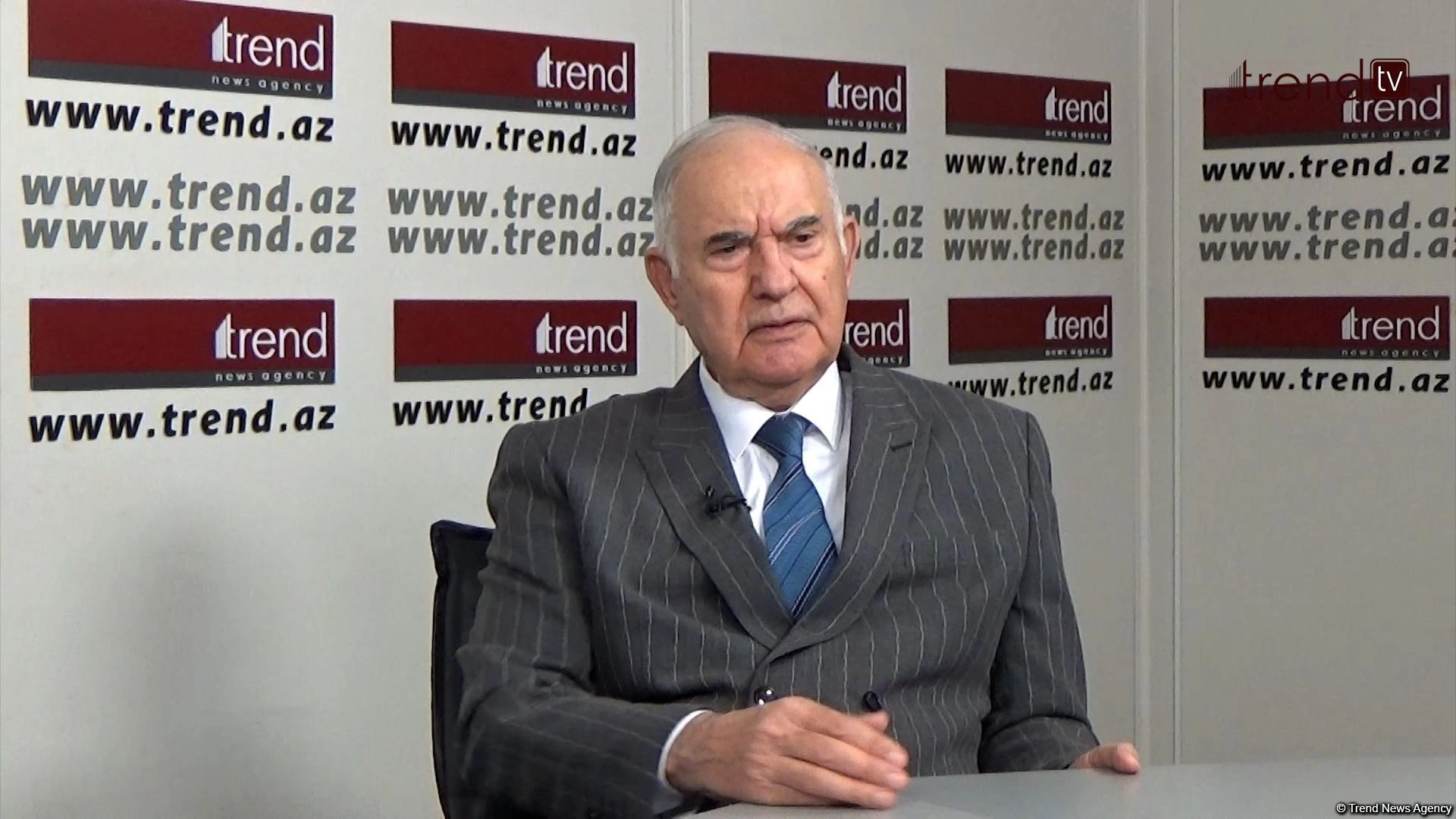
won the war, also left the peace table in Washington victorious,
political analyst Azer Garayev told Trend.
According to him, August 8, 2025, was remembered as the day when
a new page was opened in the political history of the South
Caucasus. It was on that day that the agreed text of the peace
agreement between Azerbaijan and Armenia was initialed, and the
parties signed a Joint Declaration, at a historic meeting held in
Washington with the participation of the President of Azerbaijan
Ilham Aliyev, U.S. President Donald Trump, and Armenian Prime
Minister Nikol Pashinyan. Today marks one year since that
event.
"This history cannot be viewed as just a page in the diplomatic
calendar. The Washington meeting was the logical result of the
consistent policy pursued by the Azerbaijani state over many years.
The strategy set by President Ilham Aliyev initially envisaged the
restoration of the country's territorial integrity and sovereignty,
and then the formalization of the results achieved at the
diplomatic level. Azerbaijan demonstrated its military superiority
in the 2020 Second Karabakh War, and in 2023, it restored full
sovereignty over Karabakh. After that, the main issue was to turn
the military victory into a model of sustainable peace and regional
cooperation," he said.
Garayev noted that it was here that the main feature of
Azerbaijan's diplomatic line manifested itself.
"Baku didn't allow attempts to change the outcome of the war,
but at the same time formed the peace agenda itself. Azerbaijan
demanded that the peace agreement be based on the fundamental
principles of international law, the territorial integrity and
sovereignty of states. As a result, the document initialed in
Washington reflected such key provisions as the recognition of each
other's territorial integrity, the renunciation of territorial
claims, and the non-use of force.
This was, in fact, the transformation of Azerbaijan's military
victory into a diplomatic result. Just as Azerbaijan won the war,
it also left the peace table as a party that achieved its main
goals. In international platforms where Armenia's claims to
Azerbaijani territories were once the subject of discussion,
Azerbaijan now acted as a party that accepted the inviolability of
territorial integrity and the establishment of interstate relations
on this principle," he said.
The analyst emphasized that another important result of the
Washington meeting was the transformation of the OSCE Minsk process
into history.
"Azerbaijan and Armenia signed a joint appeal for the closure of
the Minsk process and related structures. Thus, it was officially
confirmed that the format, which has become a fruitless mediation
mechanism since the 1990s, no longer meets the new realities.
However, the importance of the agreement reached in Washington is
not only in the peace document itself. The meeting was also an
important turning point in terms of the future geopolitical and
economic architecture of the South Caucasus.
In this regard, TRIPP (Trump Route for International Peace and
Prosperity) is of particular importance. In the Joint Declaration,
Armenia expressed its commitment to developing a framework with the
U.S. and other parties for this connection project on the territory
of Armenia. One of the main goals of the project is to create a
seamless connection between the main part of Azerbaijan and
Nakhchivan and its integration into a wider international transport
network.
"This route is also of strategic importance in terms of the
realization of the transport connection in the direction of
Zangezur, which Azerbaijan has been promoting for years. The
formation of TRIPP can further strengthen Azerbaijan's role on the
East-West transport map, expand the capabilities of the Middle
Corridor, and turn the South Caucasus into a more important transit
space between Europe and Central Asia," Garayev noted.
According to him, the result achieved in Washington is also an
indicator of a new stage in Azerbaijan's foreign policy.
"The signing of the Memorandum of Understanding on the
establishment of a Strategic Working Group for the preparation of a
Strategic Partnership Charter between Azerbaijan and the U.S. on
the same day also demonstrated Baku's growing weight in relations
with global powers. Against the background of all this, when we
look at the events of August 8, 2025, it is clear that what
happened in Washington wasn't a one-day diplomatic success. It was
the result of years of state policy, military training, economic
power, and most importantly, the consistent and far-sighted
political course of President Ilham Aliyev.
Azerbaijan first ensured its territorial integrity on the
battlefield, and then consolidated this reality in the
international political arena. Therefore, August 8 is not only an
important stage on the path to peace, but also a symbol of
Azerbaijan's post-war diplomatic victory. Looking back from
Washington a year later, the main result doesn't change: Azerbaijan
ended the war as a winner, and left the peace table as a winner.
Now the results of that victory are turning into a system of
sustainable peace, security, transport, and economic cooperation in
the region," the analyst added.