BAKU, Azerbaijan, August 7. Azerbaijan and
Turkmenistan discussed the current state and prospects of bilateral
relations, as well as regional issues of mutual interest, in
Tashkent.
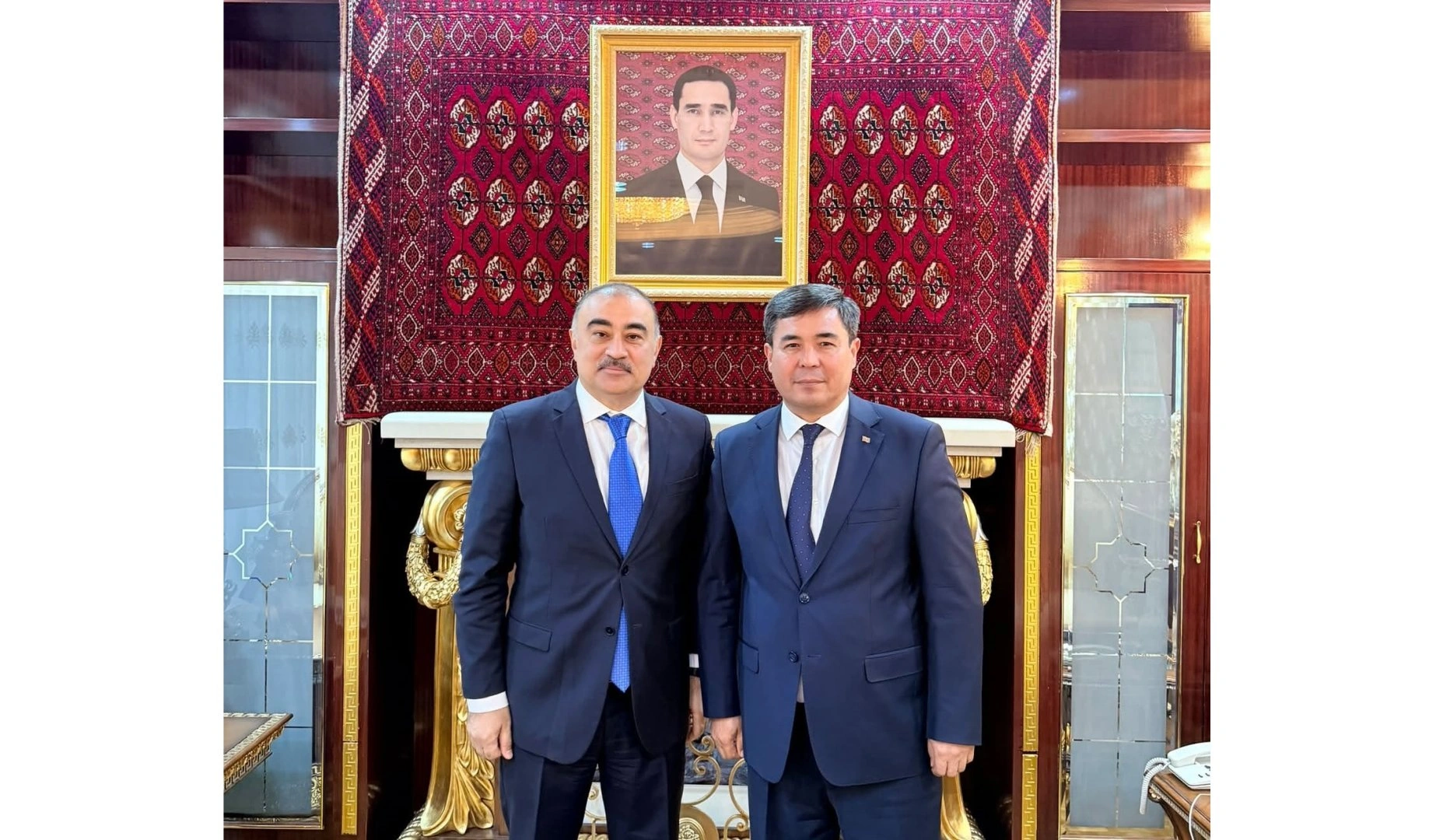
This was reported by Azerbaijan's Ambassador to Uzbekistan
Huseyn Guliyev in a post on Instagram following his meeting with
Turkmen Ambassador to Uzbekistan Shadurdi Meredov.
According to Guliyev, the sides exchanged views on the
development of cooperation between Azerbaijan and Turkmenistan.
The diplomats also emphasized the importance of continuing
cooperation and strengthening ties among diplomatic missions
accredited in Uzbekistan.
The meeting also covered regional issues of mutual interest, the
report added.
Meanwhile, Uzbekistan is emerging as an important link in the
development of the Middle Corridor, which connects China with
European markets through Central Asia, the Caspian Sea and the
South Caucasus. As Tashkent expands its transport connectivity,
Turkmenistan and Azerbaijan are becoming increasingly relevant to
Uzbekistan's efforts to develop alternative routes to international
markets. The Turkmenbashi International Seaport provides access to
the Caspian Sea, while Azerbaijan's Alat International Sea Trade
Port and railway network offer onward connections toward the South
Caucasus, Türkiye and Europe.
This logistics chain could gain additional importance with the
development of the China-Kyrgyzstan-Uzbekistan railway. The project
is designed to create a direct rail connection between China and
Uzbekistan through Kyrgyzstan and could eventually feed cargo into
wider Middle Corridor routes. One potential configuration would
connect China, Kyrgyzstan and Uzbekistan with Turkmenistan and
Azerbaijan before continuing toward European markets.
Against this backdrop, the meeting of the Azerbaijani and
Turkmen ambassadors accredited in Uzbekistan is notable from a
regional connectivity perspective as their countries occupy
important positions along potential Central Asian-Caspian routes.
This creates a practical basis for coordination on logistics,
transit and industrial cooperation as Uzbekistan's role in the
Middle Corridor develops.
Given this context, Against this backdrop, the International
Transport Forum (ITF) told Trend in an exclusive interview that the Middle
Corridor would retain its strategic importance as a diversified
Asia-Europe route.
"The Middle Corridor would nevertheless retain strategic value
as a diversified Asia–Europe route that avoids both Russia and
Iran. It will continue to benefit from strong political and
investment support for Eurasian connectivity," ITF said.