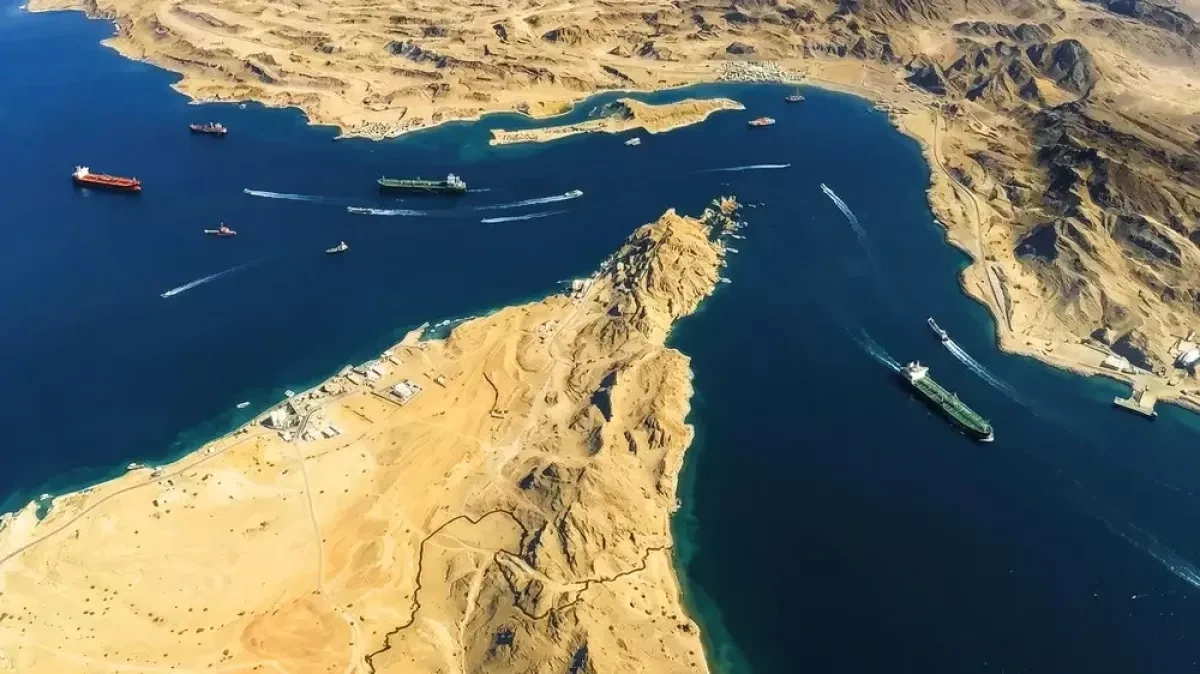
Iran and Oman are nearing an agreement to restore commercial shipping through the Strait of Hormuz, according to Iranian and U.S. officials, although the proposed arrangement has exposed sharp disagreements over whether it would effectively formalize Tehran's control over one of the world's most strategic waterways, The New York Times reports.
According to officials familiar with the negotiations, inbound vessels would transit a channel controlled by Iran near its coastline, while outbound traffic would use a route closer to Oman. Iranian officials said the arrangement would not impose tolls but would include a "service fee" covering environmental protection, maritime security and operational staffing, with revenues split equally between Tehran and Muscat.
A U.S. official familiar with the talks, however, disputed that account, calling it "not accurate" and insisting that any "temporary" shipping routes "would not involve approvals or permissions by Iran" and "would involve no tolls."
The proposed agreement is viewed as politically significant for U.S. President Donald Trump, who has made reopening the strait a priority following months of disruption to global shipping. Iranian officials, however, have maintained that the waterway will remain closed until Washington lifts its naval blockade of Iranian ports and both sides return to the 14-point framework outlined in the Islamabad memorandum of understanding.
The prospect of Iran retaining a greater role in managing maritime traffic has raised concerns in Washington. Secretary of State Marco Rubio has repeatedly argued that the strait must return to its pre-war status as an open international waterway.
"If we create a precedent in the Middle East where a nation state can decide that they are going to control an international waterway, charge a toll and if you don't pay them blow up your ships, we have created a very dangerous precedent," Rubio said.
He added: "What is at stake here is not simply the issue of what is happening in the Straits of Hormuz, it's a very fundamental principle about freedom of navigation."
Trump has remained optimistic about the negotiations.
"You'll find out today or tomorrow," he told reporters at the White House. "They're going to go quickly one way or the other. It's not very complex."
Iranian officials say negotiations with Oman are focused solely on managing navigation through the strait. Still, analysts warn that any arrangement leaving Tehran with effective control over shipping could reshape the regional security landscape. As Ali Vaez of the International Crisis Group put it, "Trump's options are between an unwinnable war and an unpalatable peace."
By Vafa Guliyeva