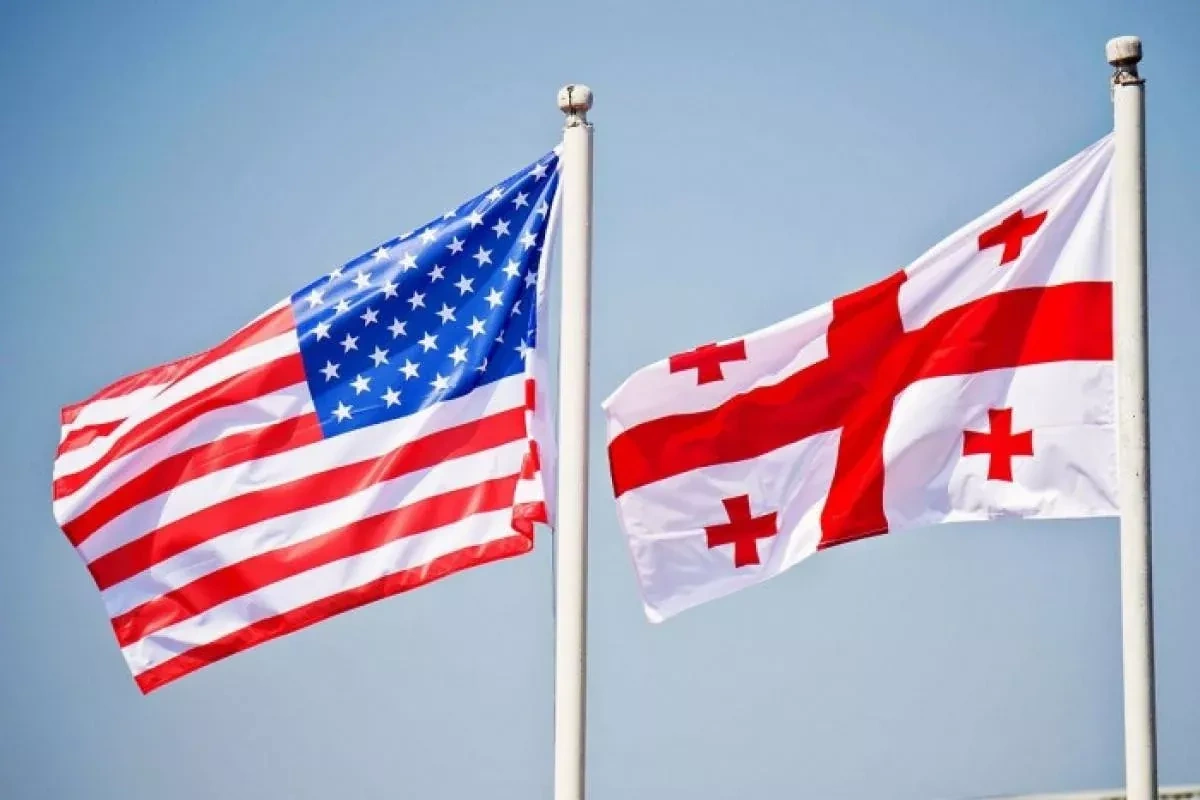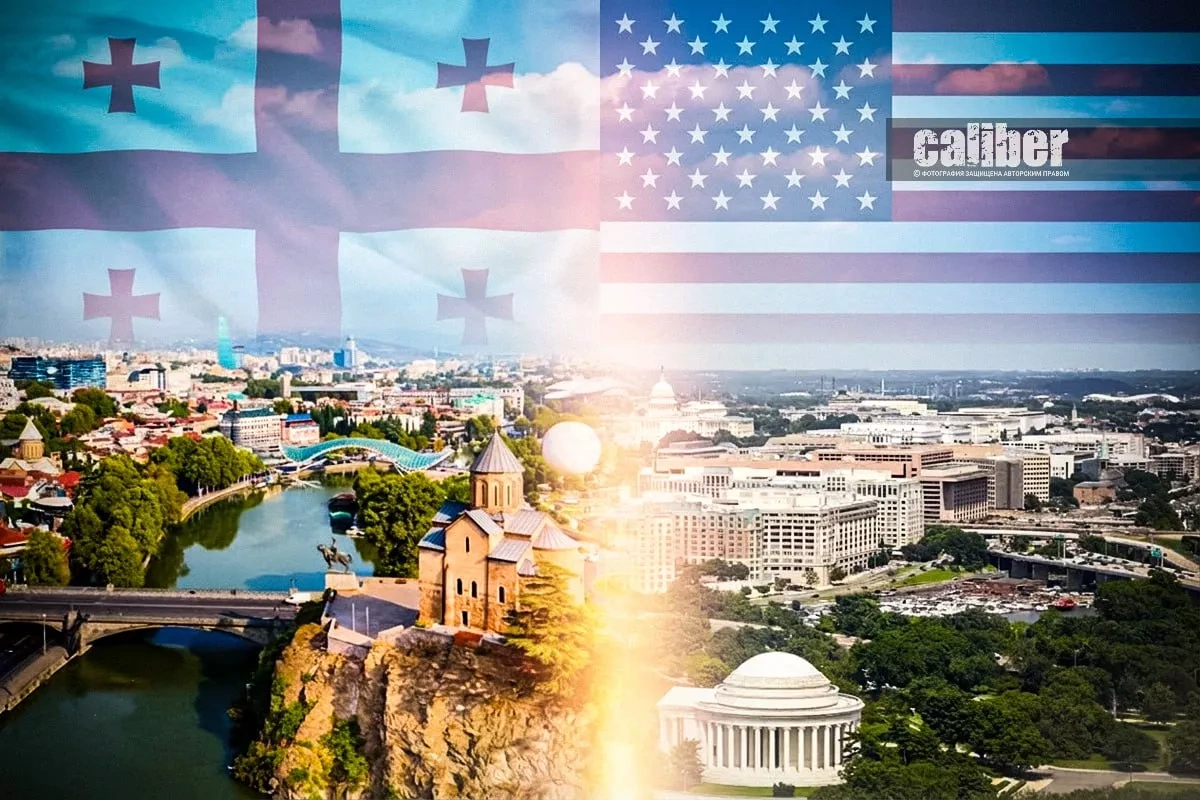
Relations between Georgia and the EU are currently going through far from their best period, and there are still no clear signals as to how long Brussels will continue pursuing what Tbilisi sees as an openly anti-Georgian stance. Against this backdrop, Georgia’s main strategy is now focused on restoring relations with Washington. In Tbilisi, there is a clear understanding that only the United States is capable of helping adjust the trajectory of EU–Georgia relations in a more positive direction.
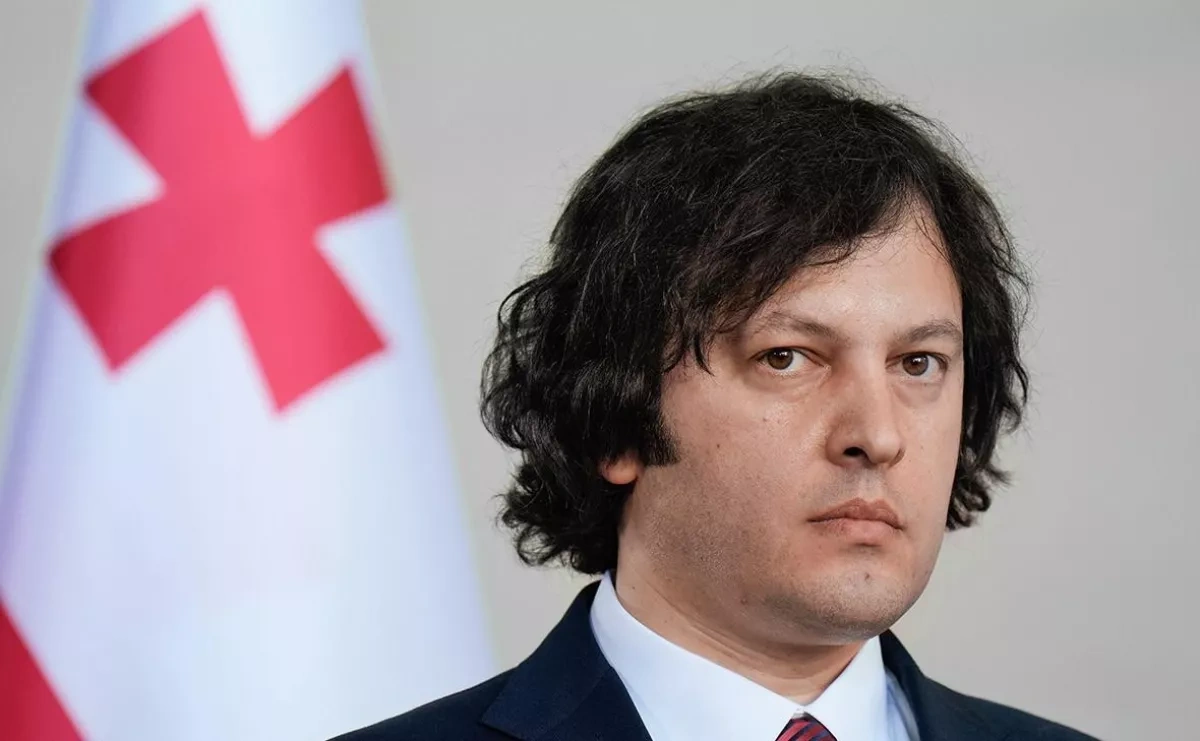
This context also frames the recent statement by Georgian Prime Minister Irakli Kobakhidze, who said that Tbilisi remains optimistic about the prospects of restoring the strategic partnership with the United States.
“We maintain optimistic expectations that the strategic partnership between Georgia and the United States will be restored. We continue communication with our American partners. We hope to see reciprocal steps, which will ultimately ensure the restoration of the strategic partnership. This is our task, and we are patiently waiting for reciprocal steps from the American side,” Kobakhidze said.
What is the basis for the Georgian prime minister’s optimism? Can a thaw in relations between Georgia and the United States, as well as between Tbilisi and Brussels, realistically be expected? Georgian experts answer these questions for Caliber.Az.
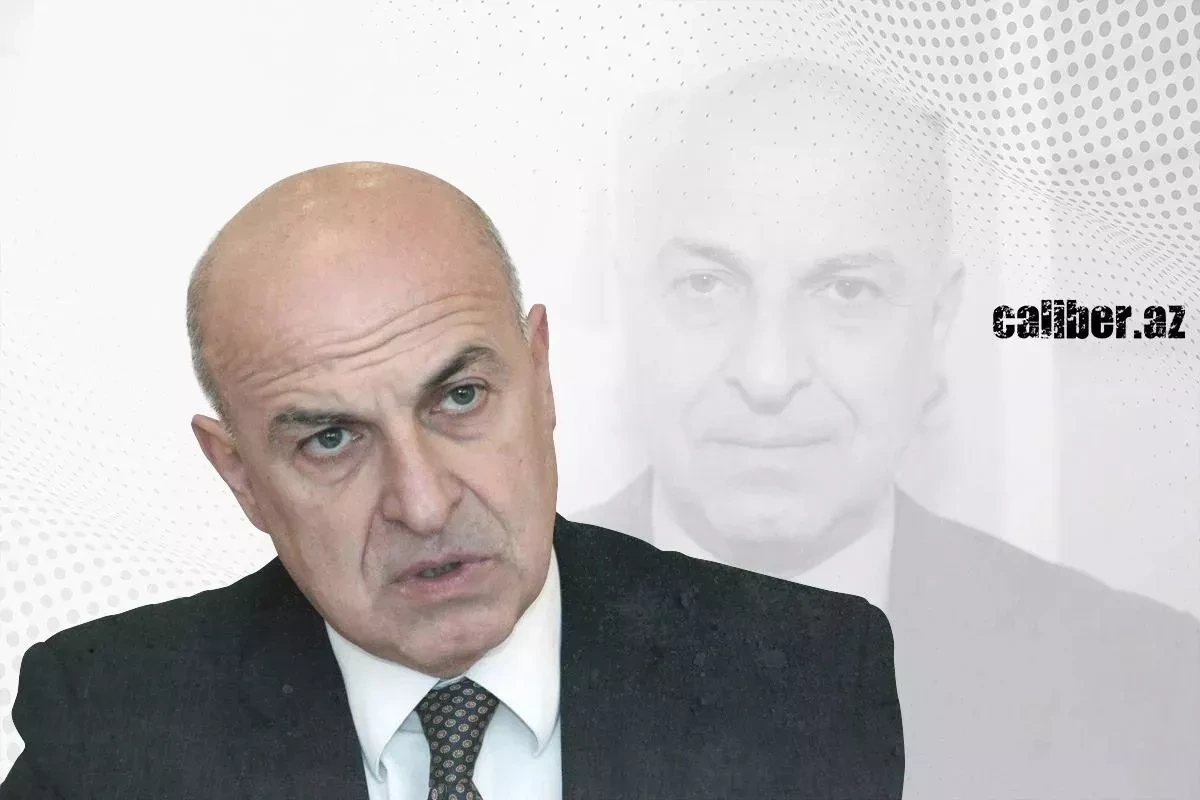
Valeri Chechelashvili, a diplomat and politician, former Deputy Foreign Minister of Georgia, former Secretary General of GUAM, and a member of the Georgia First political movement, believes that the ruling party is concerned about the situation the country has found itself in — not only in terms of relations with the United States, but also with NATO and the European Union, as the current state of affairs can hardly be described as anything other than isolation.
“Speaking about prospects for improving ties, this primarily concerns the United States, whose foreign policy has a more transnational character compared with that of the EU. However, the Americans also have a very clearly defined position on establishing dialogue with the Georgian side, which was set out in writing, for example, in a statement by the US embassy in Georgia issued after a series of talks between officials of the two countries several months ago.
This prospect is based on several components. The first is the fact that the United States is interested in a stable Georgia. The second is that such stability can be achieved through the involvement of opposition forces and political parties in the political process. The third is that the ruling party must take the necessary steps to make this happen. If all of the above is implemented, it will turn Tbilisi into a reliable partner for Washington in the South Caucasus.
What conclusions can be drawn from this? First and foremost, Georgia remains within the sphere of attention and interests of the United States. The US side has been very active in the peace process between Azerbaijan and Armenia, but this approach is part of a broader regional vision, covering the entire South Caucasus. In this regard, Georgia also remains an important element of American foreign policy.
As for Prime Minister Kobakhidze’s statement, it indicates that he is clearly concerned about the current level of relations with the United States. However, simply remaining in passive expectation that the situation will resolve itself and that relations will improve, in my opinion, is not a very forward-looking approach.
I believe that if Georgian Dream does not demonstrate a willingness to make certain compromises, both domestically and in foreign policy, there is unlikely to be any significant improvement in relations with the United States. At the same time, recently there have been some signs from the ruling party of easing pressure on the opposition, and perhaps it is precisely these steps that have contributed to the recent efforts to establish dialogue with American representatives, leaving some hope for a thaw in relations with the US,” Chechelashvili said.
Meanwhile, political analyst and founder of the SIKHA Foundation research centre Archil Sikharulidze noted that there are several positive aspects behind the increasing number of direct meetings and dialogue between representatives of Georgian Dream and the Trump administration.
“These meetings have not yet resulted in a clear breakthrough, but it is already evident that the American side views the actions of Georgian Dream as those of the ruling party and does not challenge its legitimacy. Moreover, Washington has appointed a new acting US ambassador to Georgia. I do not think that, from the perspective of economic or social issues, the restoration of relations with the United States will lead to any dramatic changes. However, for Tbilisi, restoring a strategic partnership with this country is important in terms of political prospects.
Furthermore, given that for a long time Washington has implicitly played a role in shaping and giving its ‘approval’ to the legitimacy of one Georgian government or another, one could say that the United States has the ability to determine which government in Georgia is considered ‘legitimate’ and which is not. For Georgian Dream, amid the ‘Cold War’ that Brussels is waging against it, it is essential that the United States officially declare its recognition of the current Georgian government and restore dialogue with it. This would help move the situation beyond the current deadlock,” Sikharulidze concluded.