BAKU, Azerbaijan, August 3. Important decisions
have been made to double the speed of border crossing in freight
transportation by rail between Azerbaijan and Georgia.
This was reported by Azerbaijan Railways CJSC (ADY), one of the
AZCON Holding companies.
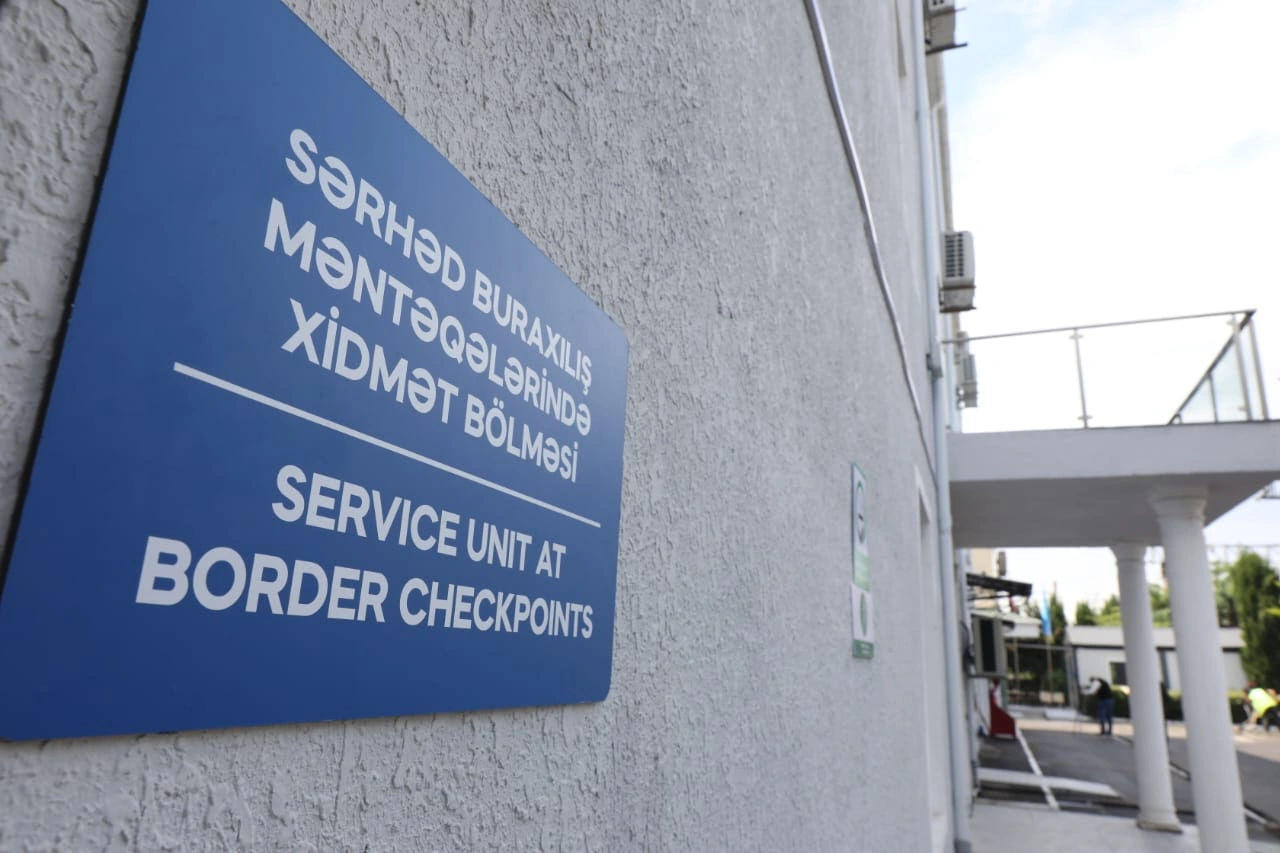
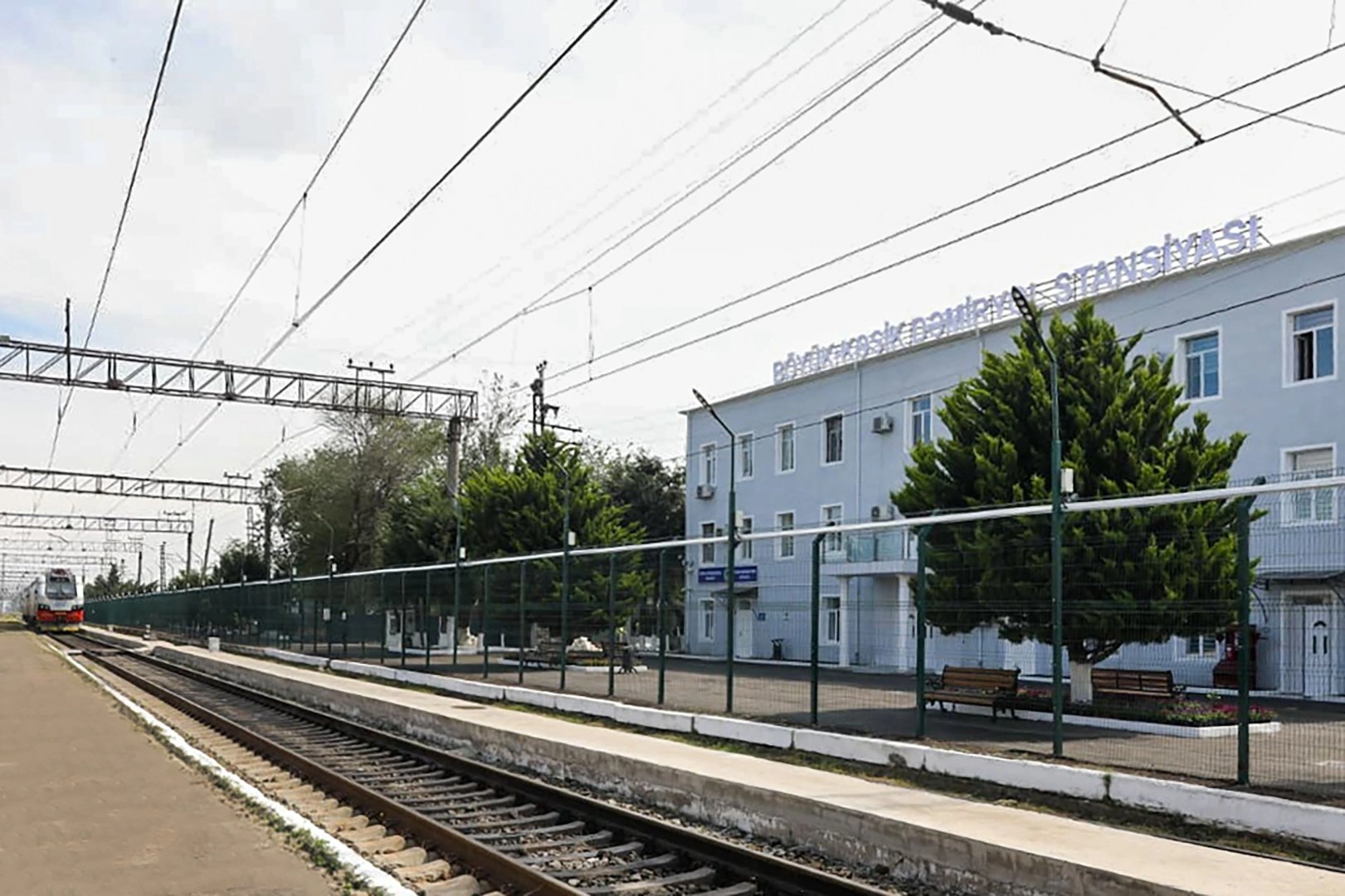
According to the report, a meeting was held for this purpose at
Boyuk Kesik station with the participation of the heads of the
railway administrations of Azerbaijan and Georgia, as well as
relevant state agencies.
The meeting discussed the expansion of cooperation in the
railway sector, increasing the efficiency of international freight
and passenger transportation. The process of freight train crossing
on the Azerbaijan-Georgia border, factors causing time loss, and
opportunities for reducing border crossing times were reviewed. The
parties also exchanged views on strengthening regional transport
ties and increasing the competitiveness of the Middle Corridor.
During the meeting, it was noted that one of the main topics was
the expansion of digital solutions and electronic data exchange.
The possibilities of real-time electronic exchange of information
on trains and cargo between ADY and Georgian Railways were
discussed in detail, the expansion of integration between the
information systems of relevant state agencies, including customs
departments, was considered, and relevant decisions were made.
Preparatory work on organizing an additional flight on the
Baku-Tbilisi route was also discussed. In order to increase the
comfort of passengers, the importance of simplifying border and
customs procedures, implementing control processes more flexibly,
and within a specified time frame was noted.
A separate working meeting was also held to increase the
efficiency of freight transportation between Azerbaijan and Georgia
and strengthen the transit capabilities of the Middle Corridor. At
the meeting, a decision was made to organize uninterrupted
operation of ADY electric locomotives on the Boyuk
Kesik-Tbilisi-Boyuk Kesik route without separation of the train
composition.
The parties emphasized the importance of applying a new approach
to eliminating the duplication of technical inspection procedures
for wagons. According to the new approach, the wagon inspection,
which was previously carried out at both Boyuk Kesik and Gardabani
stations, is planned to be carried out only at Boyuk Kesik station
on the Azerbaijan-Georgia route, and at Tbilisi Junction station on
the Georgia-Azerbaijan direction. This optimization will allow for
more flexible organization of border crossings and a 2-fold
reduction in the transit time of freight trains. Flexible freight
operations on the route have already been successfully tested.
Besides, during the meeting, it was pointed out that this
innovation will create conditions for the transition of railway
cooperation between Azerbaijan and Georgia to a new stage,
increasing the competitiveness of freight transportation on the
Middle Corridor and reducing transit time. At the same time, it
will contribute to a more sustainable operation of the
international logistics chain, the connection of additional wagons
to passenger trains, and more flexible implementation of operations
when organizing new flights.
ADY continues its activities together with international
partners in the direction of updating the railway infrastructure,
optimizing transportation processes, and implementing digital
solutions. The goal is to further strengthen Azerbaijan's position
as one of the leading transport and logistics centers in the
region.
In recent years, ADY has implemented large-scale infrastructure
projects in the direction of Boyuk Kesik. As a result of the work
done, the throughput capacity of the border crossing point has been
significantly increased, the railway infrastructure has been
updated in accordance with modern requirements, and the
possibilities for receiving and sending trains have been
expanded.
The introduction of digital management systems in the area has
also increased the reliability of international transit
transportation. It was emphasized that these investments
significantly contribute to strengthening the transit potential of
the Middle Corridor and the transport and logistics capabilities of
the region.