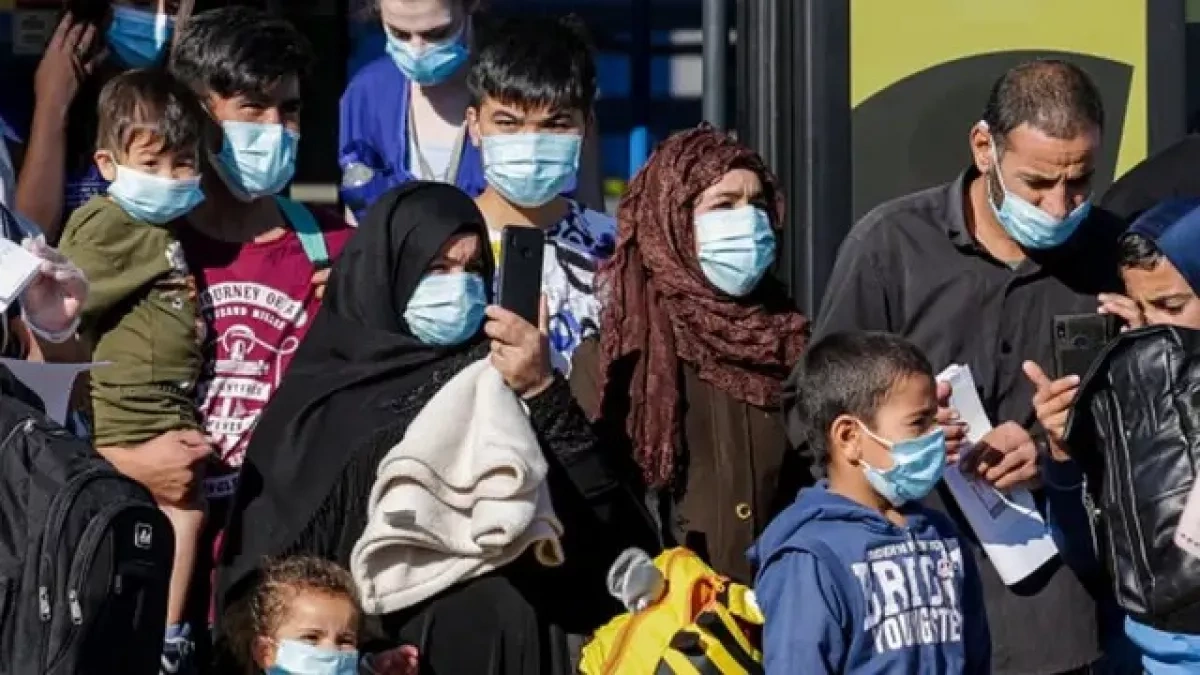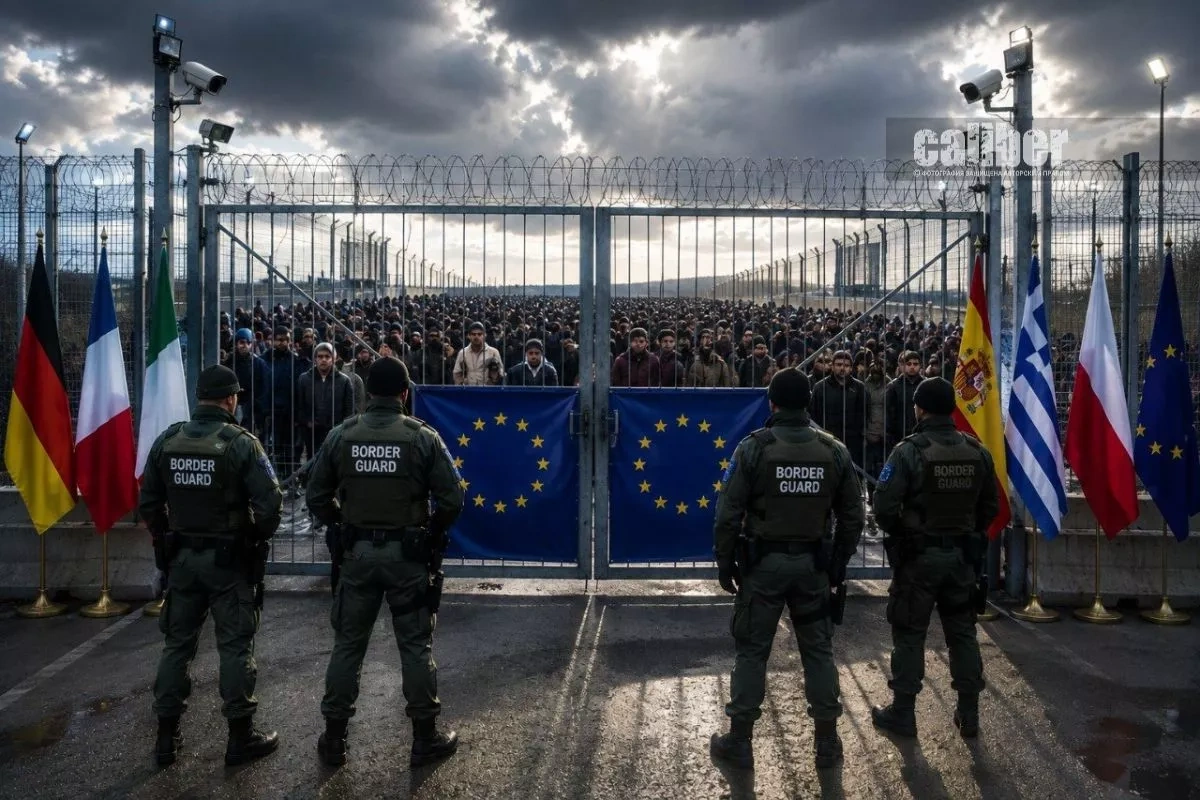
The expansion of armed conflicts across the world has become one of the key factors behind the rapid growth of migration flows, with European Union countries facing the consequences of this phenomenon more acutely than most over the past decade.
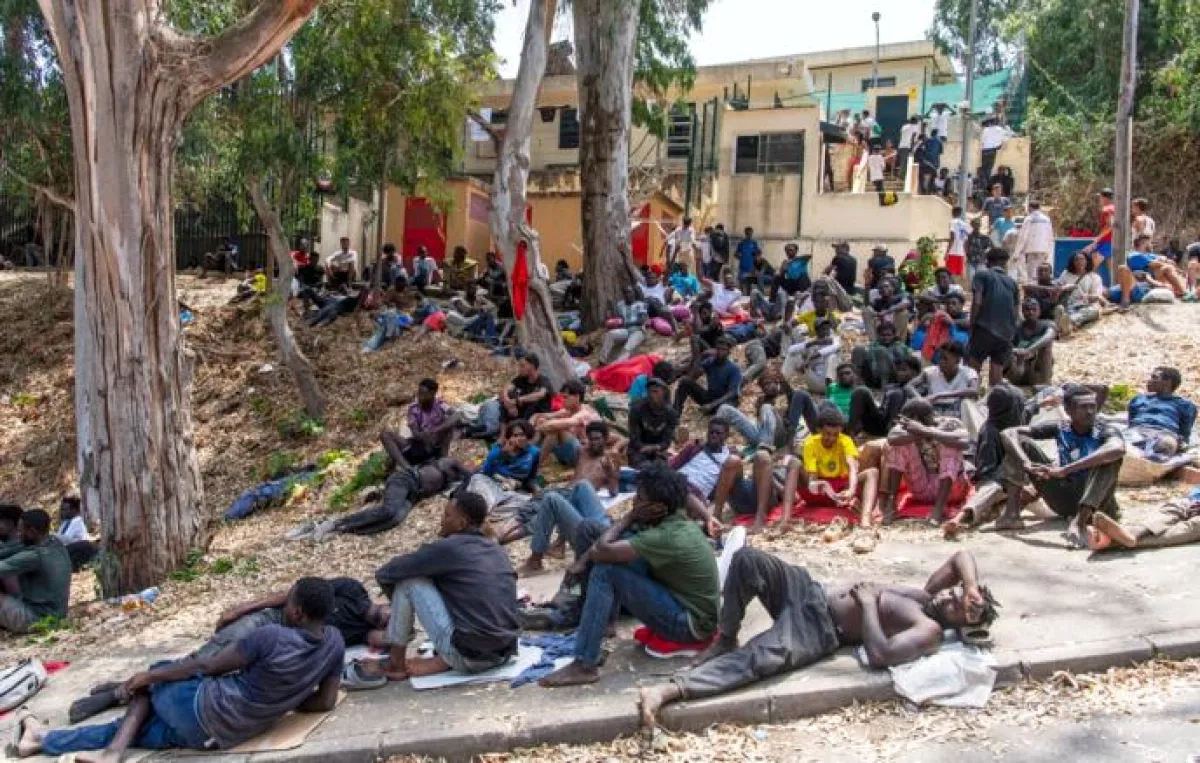
A recent migration crisis in Spain served as yet another confirmation of the scale of the problem. It was accompanied by mass illegal border crossings, clashes with security forces, and an unprecedented breach into the Spanish enclave of Ceuta, located on the northern coast of Africa directly opposite Gibraltar. The city has a unique geopolitical status and remains one of the most “hotly contested” points along the border between the European Union and the African continent.
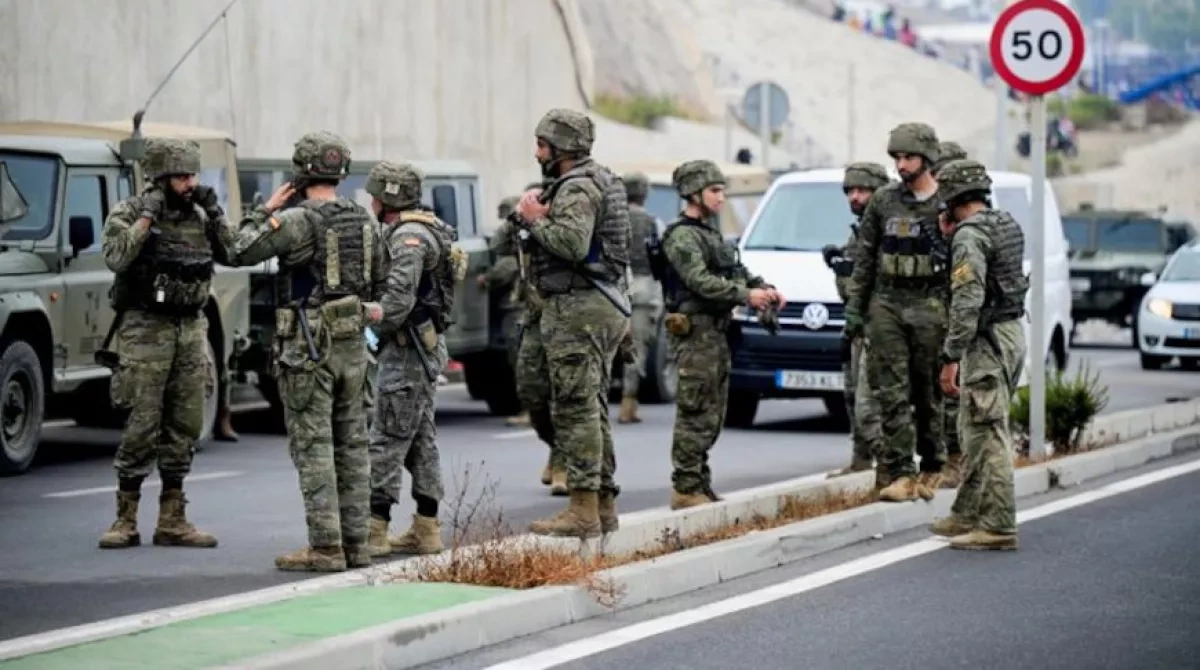
According to Spanish media reports, around 49,000 migrants entered the autonomous city of Ceuta from Morocco within a single day, a figure that was several times higher than the levels recorded in previous years. Amid the rapid deterioration of the situation, the authorities deployed units of the Armed Forces to the region to reinforce security. Similar attempts at mass crossings and clashes with police were also recorded in another Spanish enclave — Melilla — located in the same geographical area as Ceuta.
Against the backdrop of the crisis, Prime Minister Pedro Sánchez personally arrived in the region and ordered the army to assist border security services. At the same time, Madrid and Rabat agreed to accelerate procedures for returning migrants.
“Spain and Morocco have agreed to strengthen coordination and joint efforts to counter these migration flows, as well as to review and implement measures that will allow all individuals who entered Ceuta illegally to be transferred back to Morocco as soon as possible,” the Spanish Foreign Ministry said in a statement.
However, the crisis quickly ceased to be an exclusive problem for the Kingdom. France, in particular, immediately strengthened controls along its border with Spain, as French Interior Minister Laurent Nuñez announced on the social media platform X: “In response to the situation observed in the Ceuta enclave, I gave instructions as of last night to immediately strengthen the controls at the Spanish border. Furthermore, I am activating the Rapid Intervention Border Force for in-depth checks.”
Italy’s reaction was equally telling. Prime Minister Giorgia Meloni stated that Rome was prepared to suspend the Schengen Agreement with Spain if the influx of illegal migrants continued to worsen, stressing that uncontrolled migration poses a direct threat to the security of Europe’s borders. Germany also did not remain on the sidelines. Federal Chancellor Friedrich Merz called on Morocco to take back illegal migrants who had arrived in the Spanish enclave, supporting Madrid’s decision to prevent their further movement into the European continent. Brussels, for its part, called for urgent measures to return illegal migrants.
The response of leading EU states to the events in Ceuta demonstrated that the migration issue is no longer viewed solely as a humanitarian challenge. Berlin, Madrid, Rome, and Paris effectively displayed a unified position on protecting the European Union’s external borders, confirming their readiness for joint action. In principle, such an outcome was entirely predictable, as Germany, Spain, and Italy receive the largest share of migration flows arriving from the Middle East and Africa.
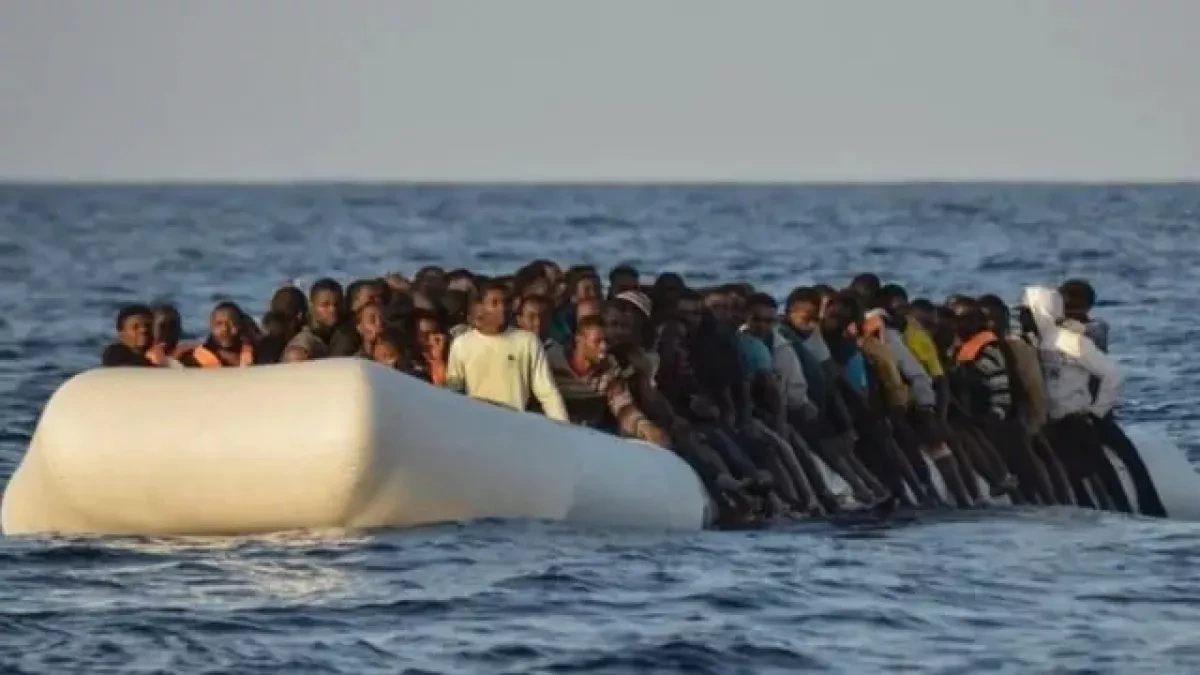
Germany continues to lead in terms of the number of asylum applications granted. The Kingdom of Spain has recorded a steady increase in the number of migrants arriving by sea, while Italy remains one of the main destinations for illegal migrants crossing the central Mediterranean. The French Republic also receives a significant number of asylum applications every year and regularly faces serious difficulties in enforcing deportation decisions.
Overall, the migration crisis has become one of the key factors shaping the EU’s domestic and foreign policies. While in 2015–2016 the main challenges were considered to be financial difficulties and the threat of terrorism, today illegal migration has become the central political issue for many European governments.
Accordingly, the very philosophy of migration policy across EU countries has changed. If a decade ago the humanitarian aspect was dominant, today the focus has shifted towards security concerns, the protection of national borders, reducing pressure on social systems, and maintaining public stability.
An additional factor has been the growing public concern over the crime situation. Although the majority of migrants do not commit crimes, certain high-profile cases have a significant impact on public opinion and are actively used by political forces during election campaigns. As a result, virtually all EU countries have gradually shifted from a policy of acceptance to a policy of containment: strengthening border controls, building barriers, tightening migration legislation, and introducing stricter asylum procedures.
Some countries are going even further. Italy, for example, is actively cooperating with Libya and Tunisia in an effort to reduce migrant flows across the Mediterranean, while Greece is expanding maritime patrols. Poland, Finland, and the Baltic states view migration not only as a humanitarian issue but also as one of the tools of hybrid pressure. Meanwhile, Brussels, having anticipated these risks nearly a decade ago, opted for closer cooperation with Türkiye and concluded a large-scale migration agreement with Ankara. The deal included providing financial assistance to the Turkish side to support refugees — primarily Syrians — residing in Türkiye. The agreement was subsequently extended several times, with funding also increased.
Rising migration is also having a direct impact on the political balance within EU countries. In many states, conservative and right-wing parties that base their platforms on combating migration and preserving national identity are gaining greater influence.
As a result, the European Union is now moving towards a new model of migration policy. The Migration and Asylum Pact, which entered into force on June 12, 2026, provides for the establishment of migrant screening centres outside EU member states, strengthened controls at external borders, and further tightening of asylum procedures. Thus, recent developments indicate that security considerations are beginning to outweigh humanitarian approaches within the European Union.
However, even the implementation of the strictest restrictive measures cannot fully stop migration as long as wars, poverty, political instability, and economic hardship persist in regions neighbouring the European Union. This means that migration pressure will continue, and while restrictive measures may reduce the scale of illegal migration, they cannot eliminate its root causes.