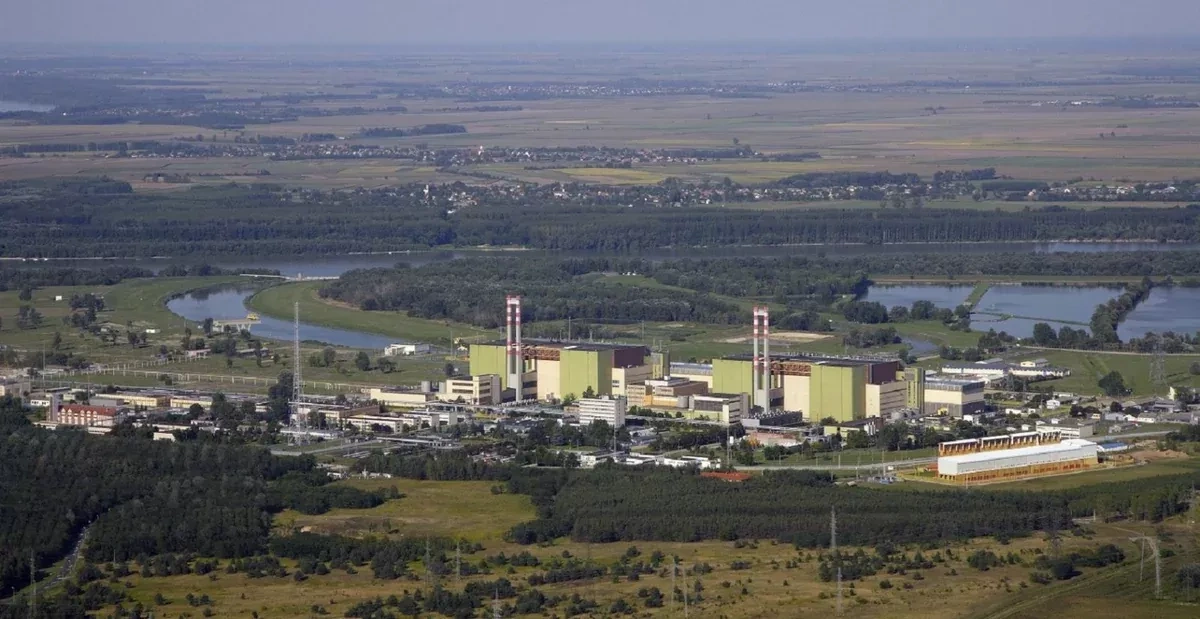
Hungary will shut down its Paks nuclear power plant for the first time in nearly 50 years on August 2, Prime Minister Peter Magyar announced, after water levels in the Danube River, which supplies cooling water to the facility, fell to record lows.
The unprecedented shutdown comes as an extended period of extreme heat and drought continues to affect large parts of Europe, pushing river levels down and increasing pressure on water resources, inland shipping and electricity generation, Reuters reports.
Declining water levels caused by persistent dry weather have also disrupted river transport and tourism across Hungary while prompting water-use restrictions in more than 100 towns and villages, including areas on the outskirts of Budapest, according to government data.
The worsening energy situation is expected to weigh further on the country's economy, which expanded less than anticipated in the second quarter after enduring three years of near-stagnation.
"Due to a further decline in the Danube's water level, the second-to-last generating unit at the Paks nuclear power plant will be shut down at 1:30 a.m. (2330 GMT)," Magyar said in a Facebook post. "As a result, the plant is now producing only 240 megawatts (of electricity), and tomorrow (on Sunday), for the first time in 44 years, it will be completely shut down."
Hungary's water authority expects the Danube, which stretches from Germany to the Black Sea, to continue falling over the coming days.
Magyar, who has cautioned that the Paks facility could remain offline for several weeks, said his government would issue a decree calling on major industrial consumers to voluntarily reduce electricity demand, in addition to the 240 MW in cuts already pledged. Companies that fail to meet the agreed targets would face penalties.
By Jeyhun Aghazada