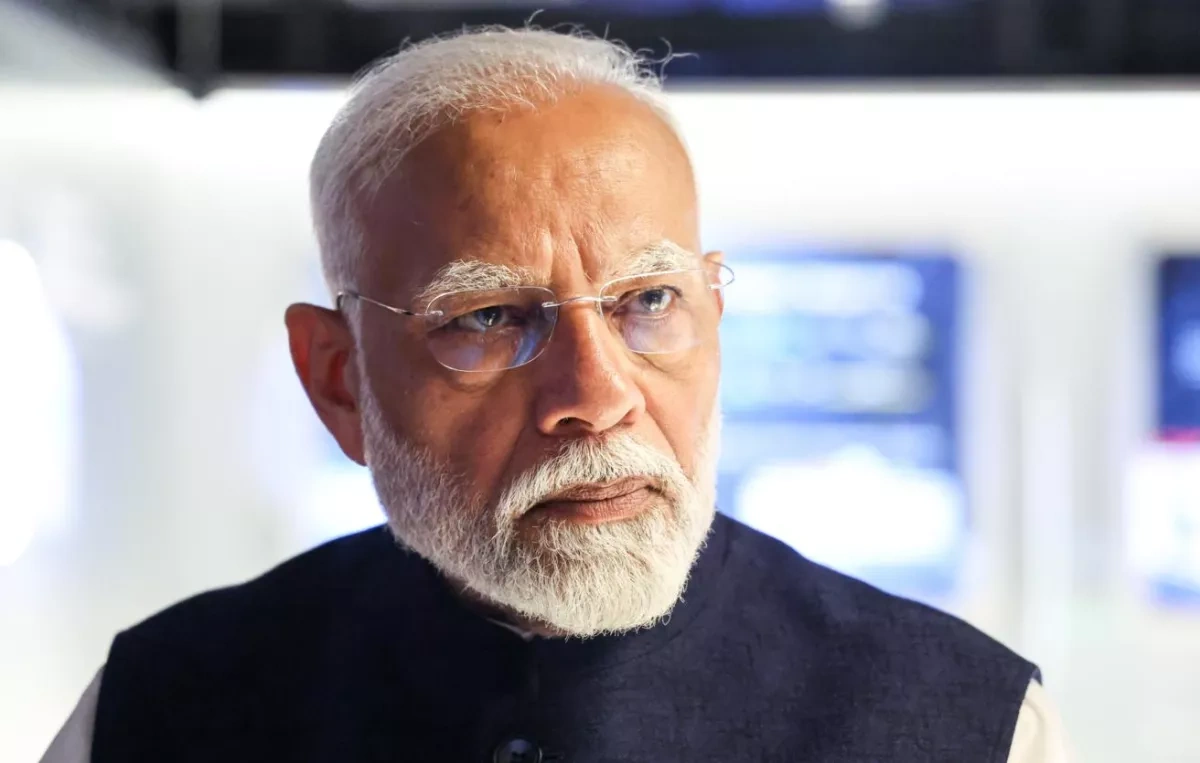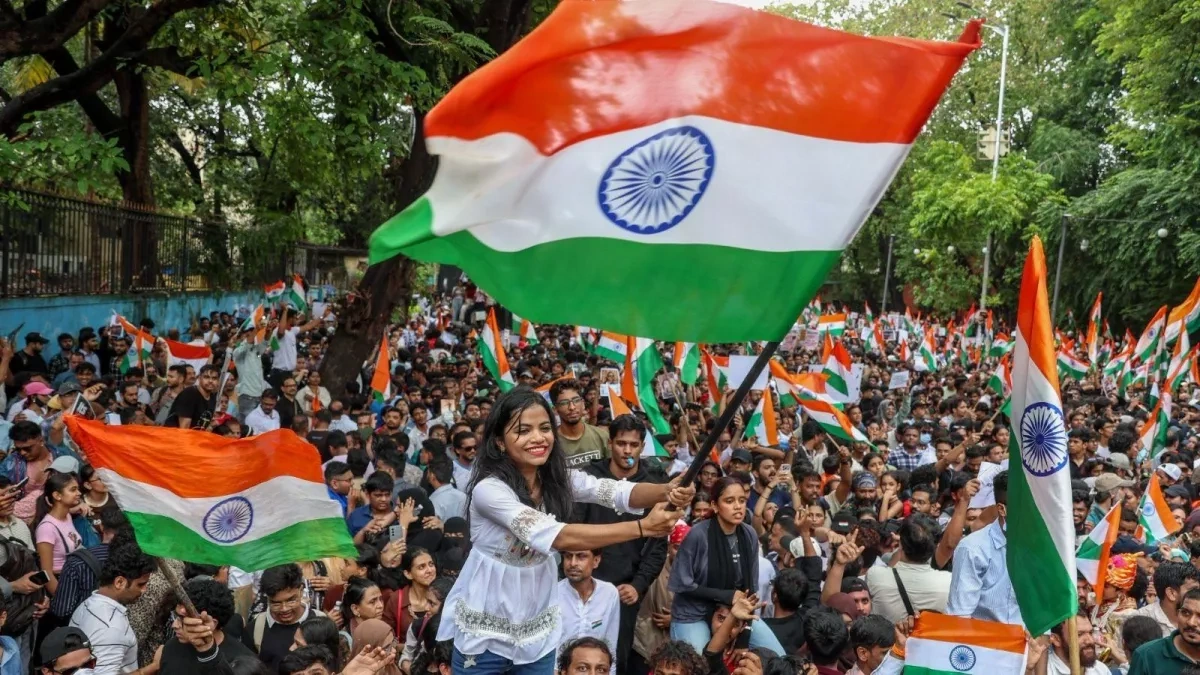
The student-led "Cockroach" movement in India has become a major threat to Prime Minister Narendra Modi's government after seven weeks of protests against him gained remarkable momentum, TRT World reports.
The report said the emergence of the satirically named Cockroach Janata Party (CJP) inspired demonstrations that quickly spread from major cities to remote towns and villages.
According to TRT World, for over a decade, Indian Prime Minister Narendra Modi has carefully shaped a narrative of political invincibility. But a nationwide student movement has challenged that image in a way few believed possible.
Modi has remained in power uninterrupted for 25 years, serving as the chief elected leader of the western state of Gujarat from 2001 to 2014 before becoming Prime Minister of India, where he has governed the country’s more than 1.4 billion people ever since.
Throughout his tenure in Delhi, Modi has exercised dominant control over the political landscape, benefiting from a compliant media environment, sophisticated use of social media and the extensive powers of the state to reinforce his authority and cultivate an aura of strength.
That perception only grew stronger following a decisive electoral triumph in West Bengal, where a long-standing incumbent was defeated, further reinforcing the image of Modi as politically untouchable.
That image, however, has now been disrupted by a powerful student-led uprising.
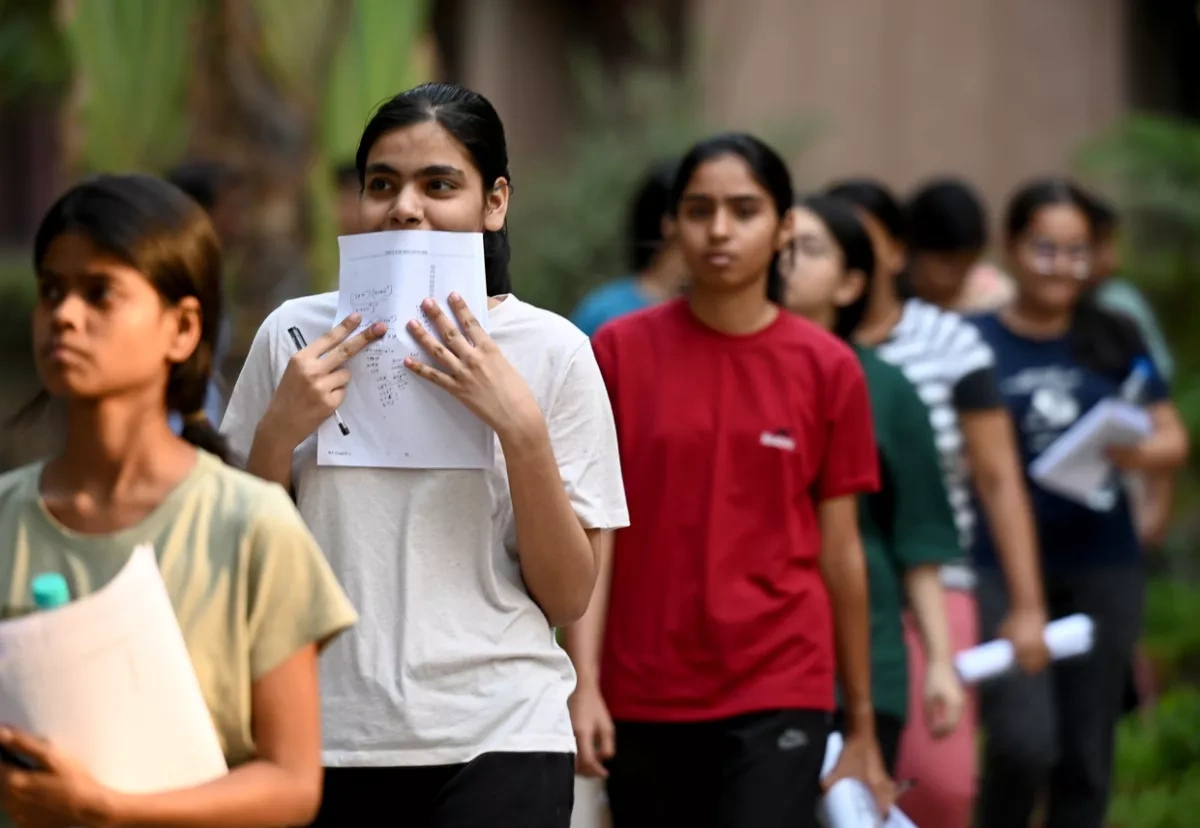
The demonstrations, which lasted seven weeks, centred on a deteriorating education system marked by repeated examination paper leaks and worsening employment prospects for young people. While those issues resonated widely, the protests gained momentum after the emergence of the Cockroach Janata Party (CJP).
Its activism inspired demonstrations that quickly spread from major cities to remote villages.
Public outrage intensified after July 20, when security forces confronted students marching toward Parliament from New Delhi’s historic Jantar Mantar protest site. Images circulated online showing students enduring baton charges, tear gas, water cannons and, in some cases, pellet gun injuries. A total of 79 protesters required hospitalisation.
Facing mounting pressure, the Modi government relented on July 25. Education Minister Dharmendra Pradhan, whose resignation had become one of the protesters’ central demands, stepped down.
The government publicly framed the decision as being driven by security considerations. However, The Hindu argued that the resignation was actually prompted by “the erosion of political capital of the ruling party caused by the burgeoning, organic crowds at Jantar Mantar,” and the “critical and unsavoury social media chatter”.
A day later, authorities announced the creation of a high-level Task Force headed by technocrat Nandan Nilekani to reform the examination system. Yet many viewed the initiative as overdue, arguing that the crisis extends well beyond exams and requires comprehensive reform of India's public education system.
Surging discontent
Unlike previous waves of dissent, analysts argue that this movement represents something fundamentally different.
India has witnessed several major protests during Modi’s tenure. Student demonstrations erupted in 2015–16 following the death of Rohith Vemula after Hyderabad University halted his PhD fellowship payments. Around the same period, Jawaharlal Nehru University became the centre of nationwide debates over free speech and sedition. Later, the Citizenship Amendment Act (CAA) sparked widespread protests in 2019–20 over its treatment of Muslims, while farmers staged a year-long blockade around New Delhi between 2020 and 2021, ultimately forcing the government to repeal three controversial agricultural reform laws.
The current movement, however, has emerged largely from students from lower-income backgrounds, many of whom had previously supported Hindutva politics. At the same time, dissatisfaction with the education system has united people across caste, religious and economic divisions, drawing support from multiple generations.
Sikh and Muslim places of worship opened their doors to injured protesters, providing food and shelter.
Previously, the Modi government had successfully portrayed protest movements as representing isolated interest groups — Dalits during the Rohith Vemula demonstrations, “anti-national” left-leaning students during the JNU protests, and Muslims alongside so-called “urban Naxals” during opposition to the CAA.
This strategy has largely failed against the current student movement. Despite official attempts to label protesters as “anti-national” and “foreign-funded,” many Indians personally know someone whose future has been affected by failures within the country's education system.
Support has expanded well beyond student circles. Lawyers associated with India's highest court have publicly backed the movement, while doctors have volunteered medical assistance.
Observers visiting the protest site noted that the current demonstrations have become a convergence point for many of the country's previous protest movements. Students carried portraits of Rohith Vemula, farmers from the 2020–21 agitation expressed solidarity, former JNU and anti-CAA activists joined the stage, and Muslim communities — including many young women who have faced discrimination during Modi’s tenure — were also present.
Modi and memes
Beyond its size and nationwide reach, the movement has also distinguished itself through its mastery of digital communication.
While Modi has long relied on technology and social media to shape public opinion, Gen Z protesters effectively turned those same platforms against him.
In an effort to engage younger audiences and prevent Pradhan’s resignation, Modi released an Instagram video beginning with the gentle greeting "friends,". The internet quickly transformed the clip into viral satire, with one widely shared edit cutting to three young women staring into the camera before replying: “No, we are not.”
The ridicule deepened after reports emerged from a Cabinet meeting indicating that Modi had instructed senior ministers to "get active on Instagram and make Reels" to better connect with young voters.
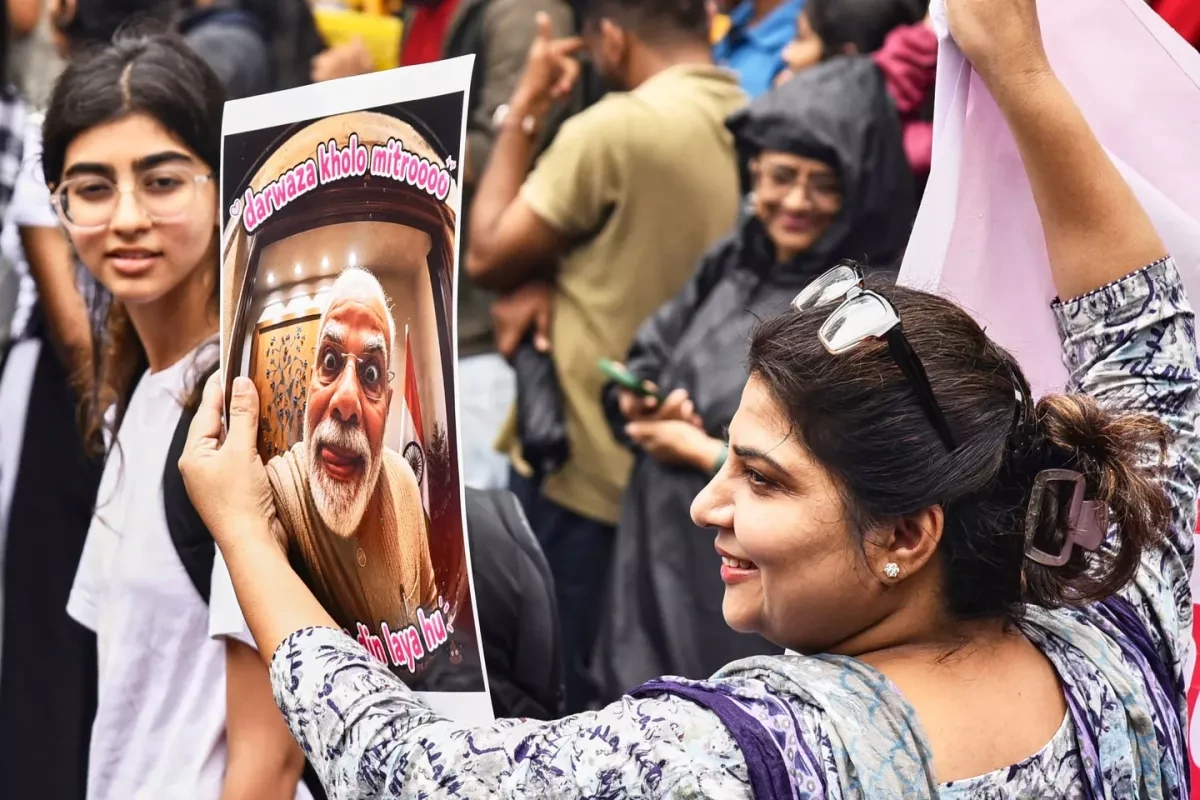
Images of veteran BJP leaders attempting to master short-form video content while the country grappled with a deepening education crisis became a source of widespread mockery, replacing the fear that had long surrounded the government.
Protesters also pointed to what they viewed as a contradiction: while the Prime Minister sought to reach young people through social media, authorities were simultaneously shutting down mobile internet access near protest sites.
Rather than weakening the movement, the strategy backfired. Students, who had already built an extensive digital protest network, chose to "answer him in his own language," flooding social media with satirical memes and parody videos that undermined the government's new online campaign.
Political observers argue that ridicule represents a more damaging challenge than anger.
Hatred still recognises a leader's power. Ridicule, by contrast, erodes authority, strips away dignity and weakens the ability to inspire fear.
What next?
Whether this movement ultimately marks the beginning of the end for Modi’s political dominance remains uncertain.
Its long-term impact will depend largely on the future direction of the Cockroach Janata Party and on whether opposition parties can successfully convert public frustration into electoral momentum.
CJP leaders have announced plans to formalise their movement, expand nationwide outreach and establish an organisational platform, although they have yet to confirm whether they intend to become a political party.
Meanwhile, opposition parties appear likely to face increasing pressure to present a united front.
Asked whether Modi could lose the next general election, sociologist, educator and former student activist Arun Kumar — who participated in the movement that removed former Prime Minister Indira Gandhi from office in 1977 — offered a blunt assessment.
If elections were held today, he believes Modi would be defeated.
According to Kumar, the student movement has significantly weakened the government's legitimacy and credibility, ending the perception that Modi is politically unbeatable. How the Prime Minister responds in the coming months, he argues, could determine his political future.
CJP founder Abhijeet Dipke summarised the significance of the moment by saying, “It was said that no one resigns in this government. But the world bows to those who can make it happen.”
By Bakhtiyar Abbasov