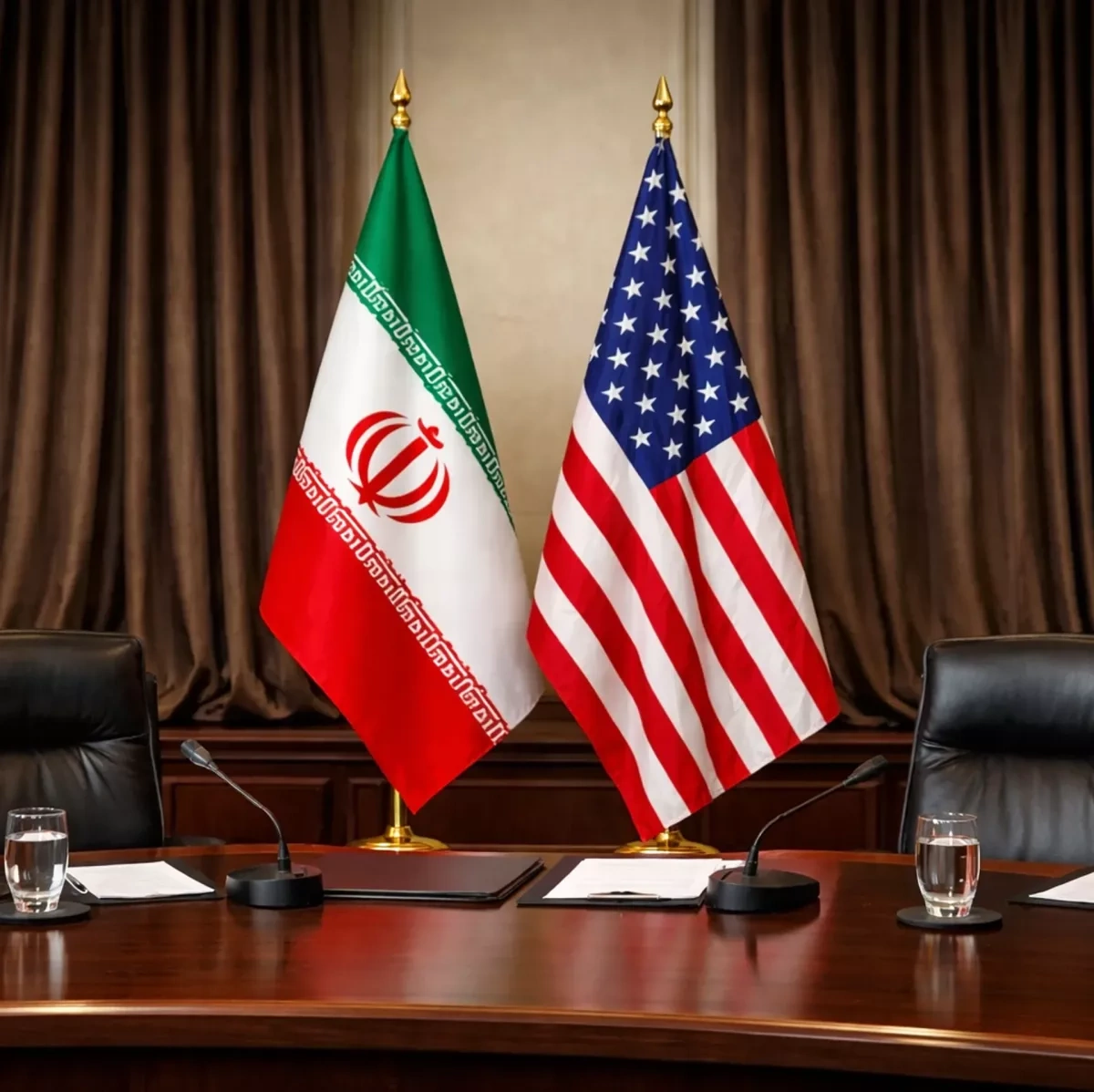
Senior U.S. officials believe sustained economic pressure is likely to inflict greater long-term damage on Iran's leadership than military strikes, with the Trump administration increasingly viewing sanctions as its most effective tool against Tehran.
According to Axios, U.S. intelligence and open-source reporting point to a worsening economic crisis inside Iran, including gasoline shortages and growing financial stress despite the country being one of the world's largest oil producers.
"The Iranians want to stop being bombed and they want money," a senior administration official told Axios. "But that's almost in reverse order. They really want the money first."
Officials said the administration's renewed "maximum pressure" campaign has imposed sanctions on more than 1,000 individuals, vessels and aircraft, targeting Iran's oil trade, shadow banking system, shipping networks and weapons procurement.
One U.S. official said financial pressure was having a significant impact on Tehran's ability to support its regional allies.
"Intelligence is picking up that the Iranians are complaining they can't pay their fighters," the official said. "Why? Because of the financial pressures. Because of Treasury. Because of what [Treasury Secretary] Scott Bessent is doing."
"They're in danger of runs on banks. There are gasoline shortages in this giant oil-rich country," the official added. "They're more scared of Treasury than the War Department."
The comments come after President Donald Trump paused U.S. military strikes on Iran following 13 consecutive days of attacks, saying he wanted to give diplomacy a chance. Trump said on Monday that Tehran had requested talks on a possible agreement, though Iran denied making such a request.
Indirect contacts continue through mediators including Oman, Qatar and Pakistan, with discussions focused on converting the current pause in fighting into a more durable ceasefire.
Officials acknowledged that sanctions and economic pressure could take longer than military action to force Iran into negotiations, but argued they would ultimately prove more effective in weakening the country's leadership.
"I have a lot of patience," Trump told reporters on Monday.
White House Press Secretary Karoline Leavitt said Trump "prefers a diplomatic solution, but he continues to retain all options if Iran continues terrorist activities in the Strait of Hormuz or against allies."
"Combined with successful sanctions that have crippled Iran's economy and 13 straight days of strikes against military targets in response to their repeated aggression, it would be wise for Iran to work toward a negotiated deal," she said. "Otherwise, they know what will happen."
By Aghakazim Guliyev