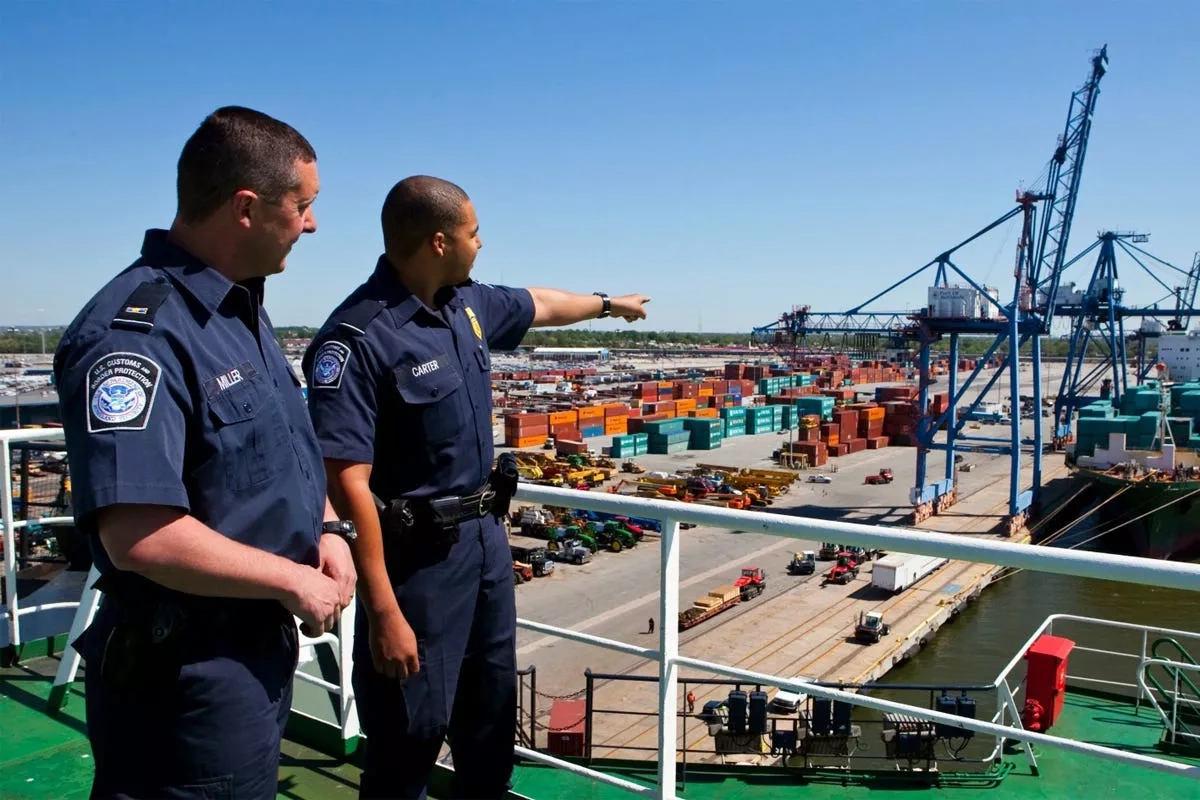
US customs officials have carried out spot inspections at China-linked factories in Vietnam as Washington intensifies scrutiny of trade practices that could shape the next phase of tariff negotiations between the two countries, according to people familiar with the matter.
The inspections focused on production records, sources of raw materials and manufacturing processes to determine how much value is added in Vietnam before goods are exported to the United States, Bloomberg reports.
Investigators also examined potential software intellectual property violations, the sources said.
The inspections have fueled concerns that the Trump administration could expand tariffs on Vietnamese exports if it concludes that Chinese goods are being rerouted through Vietnam to avoid US trade restrictions. However, the people said the inspections have so far produced no significant evidence that Chinese products are being illegally transshipped through the country.
A spokesperson for US Customs and Border Protection said the agency was not immediately able to comment.
The inspections come as Washington and Hanoi remain locked in difficult negotiations over a broader trade agreement first outlined in October. According to the sources, talks have become increasingly tense, with the two sides unable to bridge differences over transshipment rules and other non-tariff barriers.
The issue of Chinese goods entering the US through Vietnam remains central to Washington's trade concerns. The Trump administration has argued that some products are either shipped through Vietnam without meaningful processing or undergo only minimal changes before being relabelled as Vietnamese-made.
"There's a pure illegal shipment where they send it to Vietnam and put on a Made-in-Vietnam sticker," US Trade Representative Jamieson Greer said earlier this month, repeating the often-used accusation.
Vietnam has denied that such practices are widespread and has stepped up enforcement efforts in response to US concerns over intellectual property rights, industrial overcapacity and trade fraud. Authorities have also publicised crackdowns on counterfeit goods, including the seizure of 50,000 pairs of fake Nike shoes.
The latest inspections follow the Trump administration's decision to impose new tariffs on dozens of economies, including Vietnam, citing concerns over forced labour in supply chains. Hanoi rejected that justification, saying the decision did not accurately reflect its efforts to prevent and eliminate forced labour.
In an effort to address US concerns over intellectual property protection, Vietnam submitted a detailed report to the Office of the US Trade Representative outlining enforcement actions between 2021 and 2025, including nearly 20,000 infringement cases handled by authorities.
Vietnam is also facing three separate Section 301 investigations by the United States, including a probe into alleged excess manufacturing capacity, adding further pressure as negotiations continue.
Trade officials from both countries are still seeking a comprehensive agreement that goes beyond reducing the bilateral trade deficit. Washington is pressing Hanoi to lower non-tariff barriers, strengthen cooperation on economic security and transshipment, and improve protections for US intellectual property.
"Moving from a general framework to a full-fledged agreement between Washington and Hanoi has proved challenging 'precisely because of the high stakes for Vietnam,'" said Laura Schwartz, senior Asia analyst at Verisk Maplecroft. She added that the transshipment issue is particularly difficult, but the pressure to reach an agreement will increase as "findings from the investigations translate into implemented tariffs."
Vietnam has become a major manufacturing base for US companies in recent years as businesses diversified supply chains away from China during the first Trump administration's trade war. Major firms including Nike and Apple have shifted significant production to the Southeast Asian country.
The trade relationship has also come under increasing scrutiny because of Vietnam's rapidly growing trade surplus with the United States. According to the latest US data for May, Vietnam overtook Taiwan to post the largest monthly US trade deficit with a single economy, reinforcing the administration's focus on the bilateral trade imbalance.
By Aghakazim Guliyev