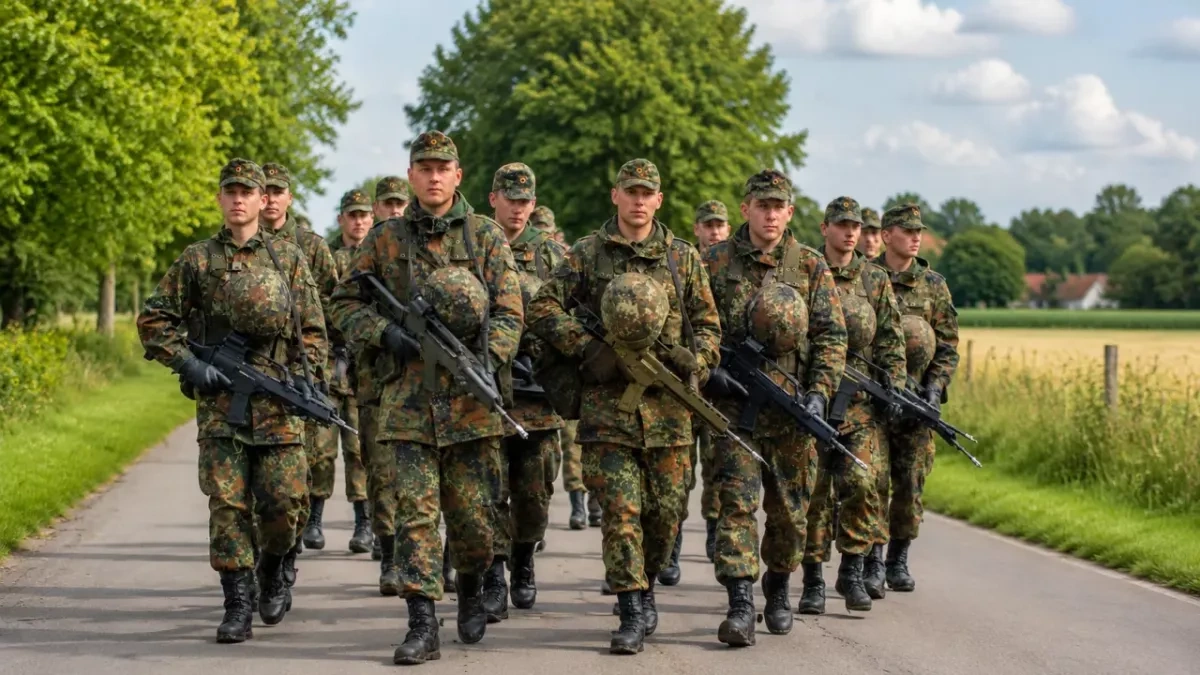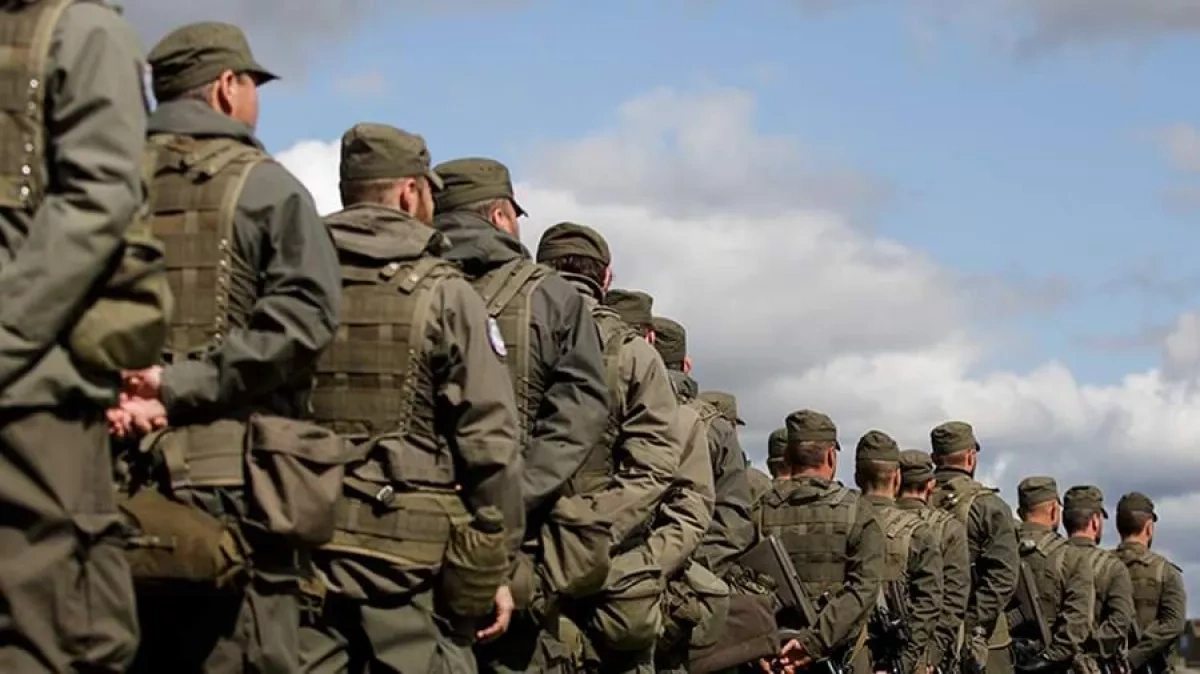
Austria's coalition government plans to extend mandatory military service from six to nine months as part of efforts to adapt to a security environment reshaped by Russia's war against Ukraine, officials announced on July 28.
Presenting the proposal at a military barracks outside Salzburg, Chancellor Christian Stocker said Europe's security landscape had fundamentally changed in recent years, Reuters reports.
"The security conditions have changed fundamentally in the past years, months and weeks. The dream of a lasting peace in Europe shattered at the latest with the Russian war of aggression against Ukraine," Stocker said.
He added that Austria must also prepare for emerging threats beyond conventional warfare.
"These developments show clearly that Austria must take charge to a greater extent of its own capabilities for self-reliance and protection of the population," he said.
Austria, which maintains a policy of military neutrality, has traditionally used its armed forces primarily for civil protection tasks, including disaster relief and border security operations. However, the government has for years sought to strengthen the country's military, warning that it would be unable to defend Austria against a major external attack.
The proposed reforms also cite new security challenges, including hybrid threats and cyberwarfare.
Under the current system, Austrian men generally choose at around age 18 between six months of military service and nine months of civilian service, typically with emergency services or care institutions. The government plans to allow voluntary extensions of civilian service by two months.
The reforms would also introduce a reservist model requiring former conscripts to complete follow-up training exercises within 10 years of their initial service. To encourage military service, the government proposes additional benefits, including paid leave and an increase in monthly pay to €1,000, nearly double the current level.
The planned changes require legislation to be approved by a two-thirds majority in parliament. The governing coalition will therefore need support from either the opposition Greens or the far-right Freedom Party, with negotiations yet to begin.
By Sabina Mammadli