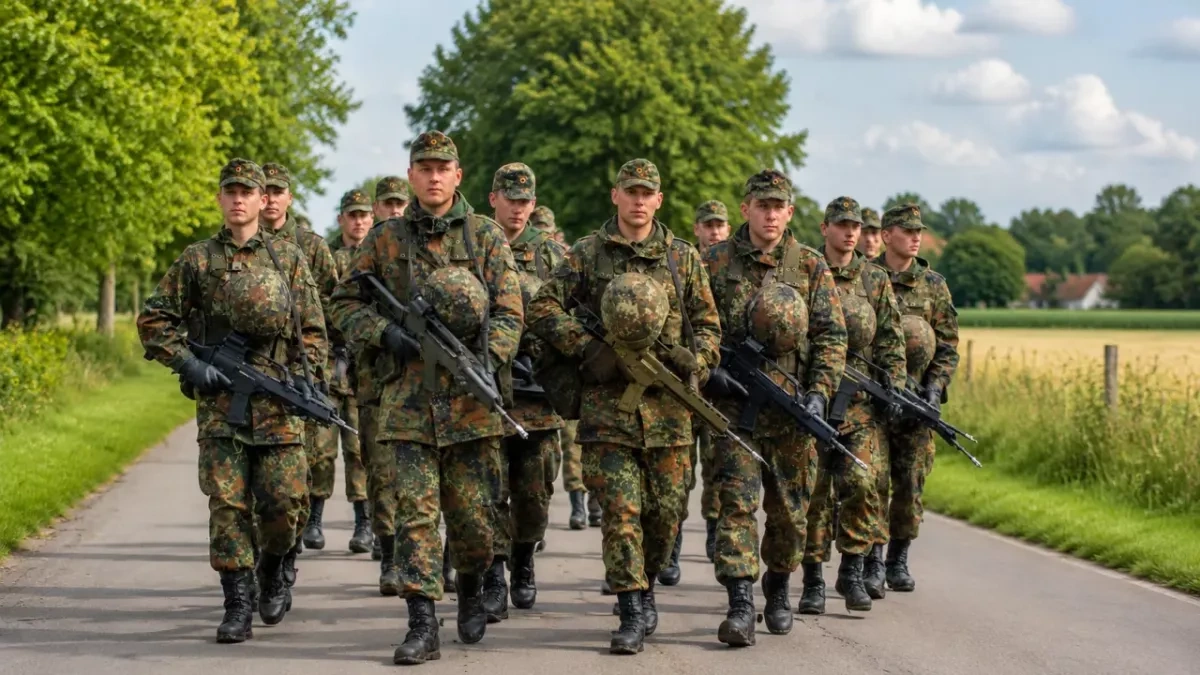
The global defence industry is undergoing one of its biggest transformations since the Cold War, with artificial intelligence rapidly becoming as important as tanks, fighter jets and missiles. As governments pour billions into military AI, a new generation of technology companies is joining — and in some cases overtaking — traditional arms manufacturers in shaping how future wars will be fought.
For decades, military procurement centred on hardware supplied by established defence contractors. While those companies remain dominant, software, cloud computing, autonomous systems and AI-powered decision-making have become essential components of modern military strategy. Soldiers increasingly operate through digital networks, with AI helping process battlefield information in real time.
The acceleration is reflected in a wave of high-profile contracts. In July, the UK Ministry of Defence awarded a £2 billion ($2.7 billion), 15-year contract to Omnia Training, a consortium led by Raytheon UK, to train around 60,000 soldiers annually using AI-enabled systems. NATO has also selected US defence technology firm Anduril, alongside Palantir and French military-tech venture Athea SAS, to develop its Enhanced Air Command and Control Data Platform.
According to researchers at the Stockholm International Peace Research Institute (SIPRI), the military AI ecosystem can be divided into four broad groups, Al Jazeera reports.
The first consists of traditional defence contractors, including Lockheed Martin, RTX, Northrop Grumman, BAE Systems and General Dynamics. These companies are incorporating AI into existing weapons platforms. Lockheed Martin, for example, has been testing AI tools for its F-35 fighter jets to help pilots identify hostile aircraft more quickly, while L3Harris has integrated AI into targeting and surveillance systems.
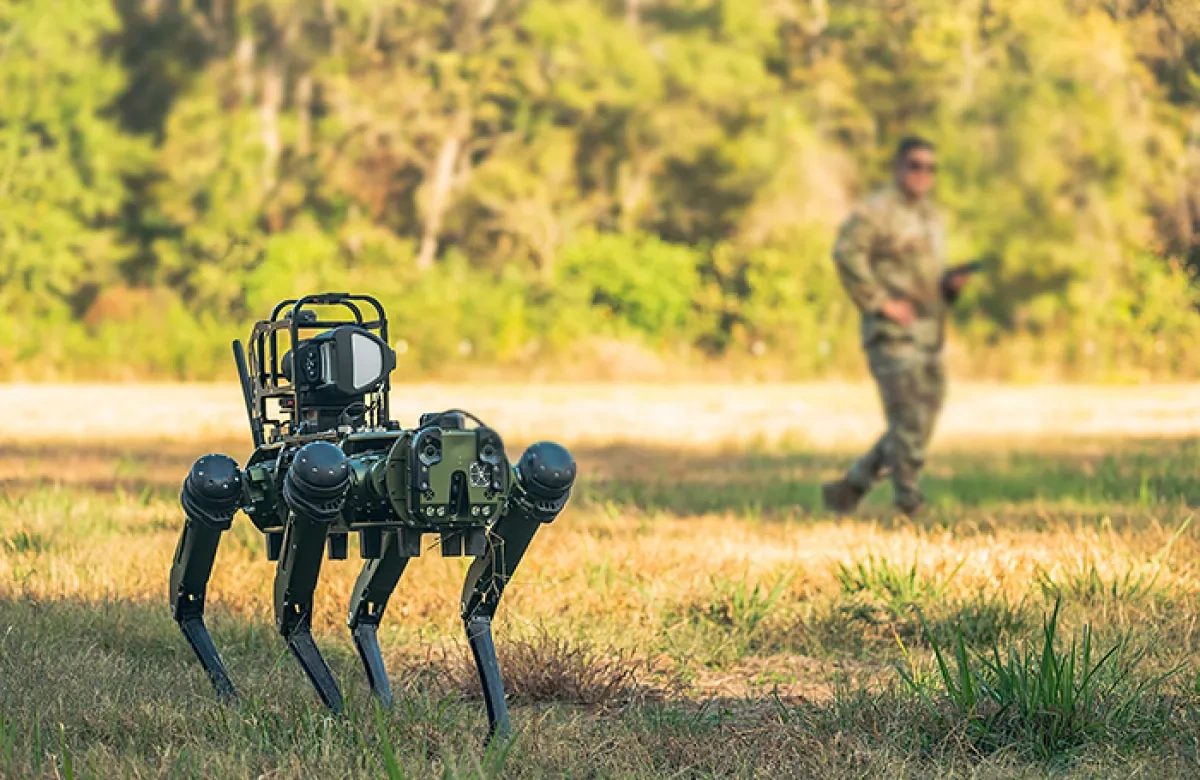
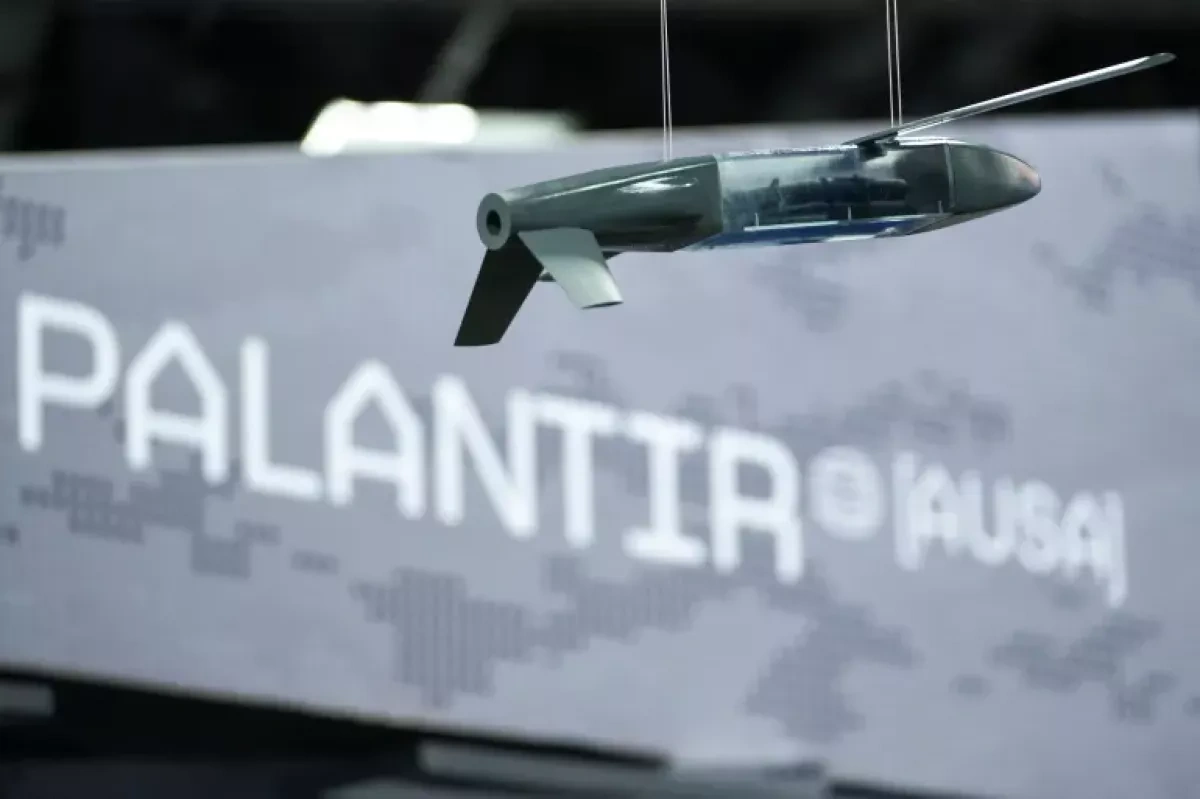
The second group comprises defence technology startups, often referred to as "neoprimes". Companies such as Palantir and Anduril specialise in software designed specifically for military operations. Palantir's Project Maven uses artificial intelligence to analyse satellite imagery, drone footage and intelligence data to identify potential targets and accelerate battlefield decision-making. Anduril's Lattice platform integrates drones, sensors and autonomous vehicles into a unified command network and is already being used by the US Army.
A third category includes major technology companies whose cloud infrastructure and computing power underpin military AI. Google, Microsoft, Amazon Web Services, Oracle, NVIDIA, OpenAI, SpaceX and Reflection are among eight firms recently selected by the US Department of Defense to provide AI technologies for highly classified military networks as part of its effort to build what it describes as an "AI-first" fighting force.
The final category includes foundational AI model developers such as OpenAI, Anthropic and France's Mistral AI, whose large language models are increasingly being adapted for defence applications. In China, researchers have developed military AI systems built on open-source models, while the Pentagon has identified several Chinese technology companies—including Alibaba, Baidu, BYD, NIO, RoboSense and Unitree—as firms it believes support China's military.
The rapid expansion of military AI marks a profound shift in global defence, with software developers, cloud providers and AI laboratories now playing a central role alongside the world's largest weapons manufacturers. As geopolitical tensions persist and defence budgets continue to rise, the race to dominate military AI is becoming one of the defining competitions in the future of warfare.
By Aghakazim Guliyev