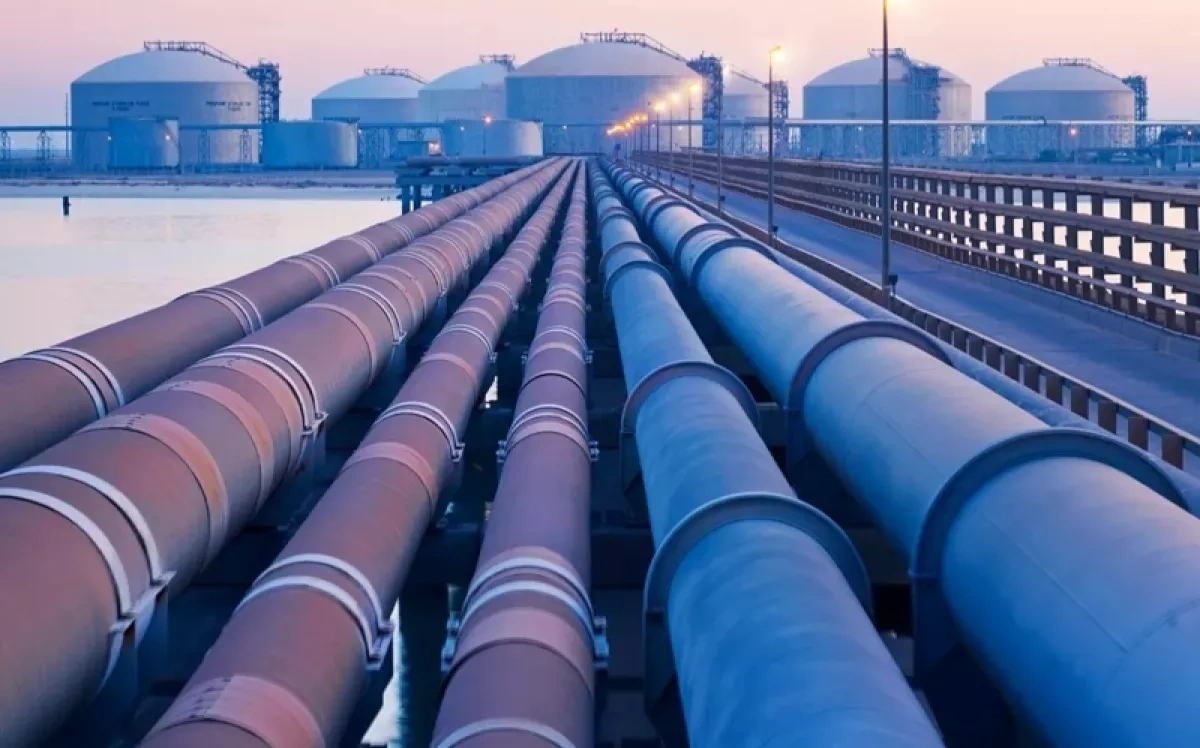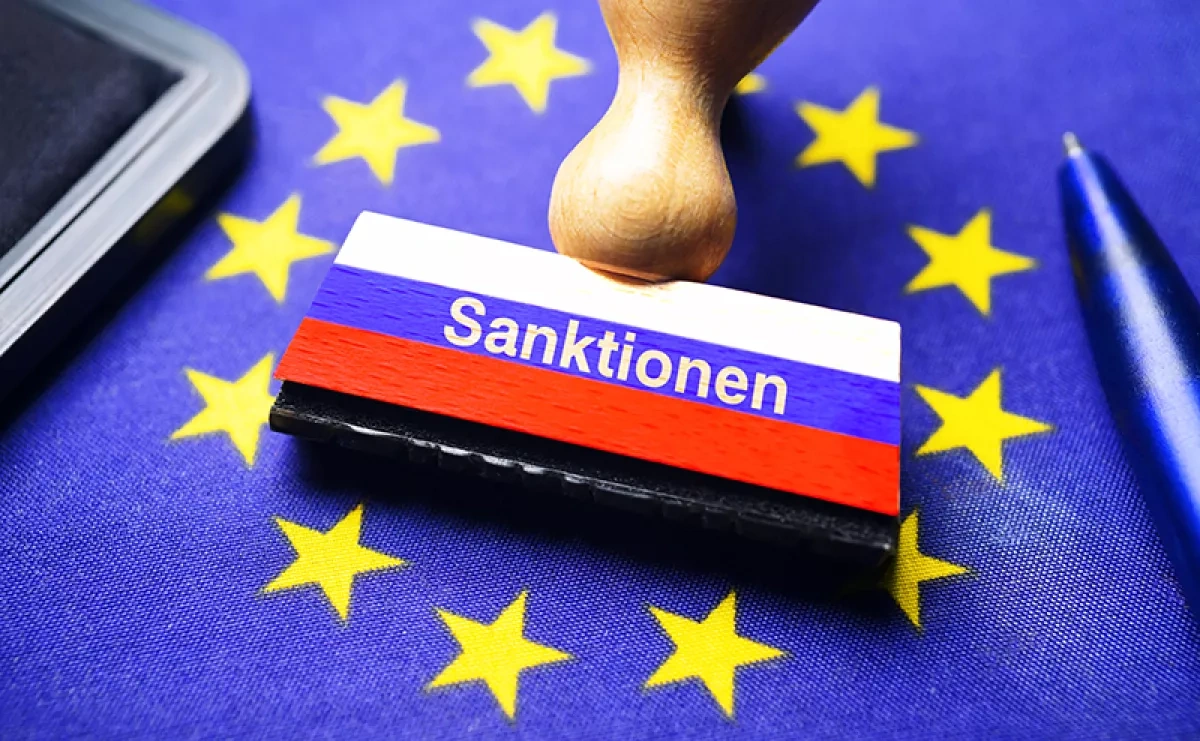
The European Commission may revise parts of the European Union's proposed 21st sanctions package against Russia in an effort to address objections from Greece, whose concerns over restrictions on Russian liquefied natural gas (LNG) shipping have delayed the package's approval, according to Politico, citing diplomatic sources.
The proposed sanctions include a ban on transporting Russian LNG to third countries, a measure that Greece argues could disproportionately harm its shipping industry while offering limited economic impact on Russia.
According to Politico, Athens is seeking evidence from the European Commission that the proposed ban "would be more economically damaging to Russia than it would be to Greece" and that it could not be easily circumvented by shipping operators changing vessel flags to avoid the restrictions.
"We’re trying to find a way out of this, but what this [issue with Greece] shows is that we’re starting to collide with some key economic interests," one diplomat told Politico, speaking on condition of anonymity because of the confidential nature of the negotiations.
The report says the European Commission could offer Greece a derogation as a last resort to secure unanimous support for the sanctions package. The Commission declined to comment.
According to Politico, Greece wants the Commission to demonstrate that the LNG transport ban "would have a significantly higher cost for Russia than it would for Greece, and that it wouldn’t pave the way for third-country rivals to replace Greek shipping companies," a senior Greek official said.
The dispute follows a report by the Financial Times on July 19 that Greece is blocking the latest sanctions package over concerns that the measures would severely affect Dynagas, a shipping company owned by Greek businessman George Prokopiou that specializes in transporting Russian LNG from an Arctic production facility.
By Sabina Mammadli