Less than a month after U.S. President Donald Trump hailed a preliminary peace agreement with Iran as a deal that "achieves everything we set out to accomplish," the accord is showing signs of collapse.
Renewed military exchanges between Washington and Tehran, coupled with a sharp decline in shipping through the Strait of Hormuz, have raised doubts about whether the memorandum of understanding (MoU) can deliver the stability it promised. In an analysis, The Economist argues that the agreement is unravelling not despite its terms, but because of them.
The latest escalation began when Iranian missiles struck two United Arab Emirates tankers transiting the Strait of Hormuz overnight on July 13, killing one sailor. The United States responded with strikes on military targets in Iran, prompting Tehran to launch missiles and drones at several Arab states. According to The Economist, the latest exchanges mark the fifth round of tit-for-tat attacks since July 7, when Iran attacked three ships in the strategic waterway.
Although neither side appears eager to return to full-scale war, key elements of the June 17 agreement have already broken down. Washington has revoked a sanctions waiver that allowed Iran to sell oil and announced plans to reinstate its blockade of Iranian shipping. Trump has also floated the idea of charging tolls for U.S.-provided security to vessels passing through the strait.
At the heart of the dispute is disagreement over the MoU itself. Its fifth paragraph states that Iran will "make arrangements" for the safe passage of commercial vessels, but the wording is ambiguous. Washington interprets the clause as requiring Iran to remove mines and reopen the shipping lane, while Tehran argues it also gives Iran the authority to administer traffic through the strait.
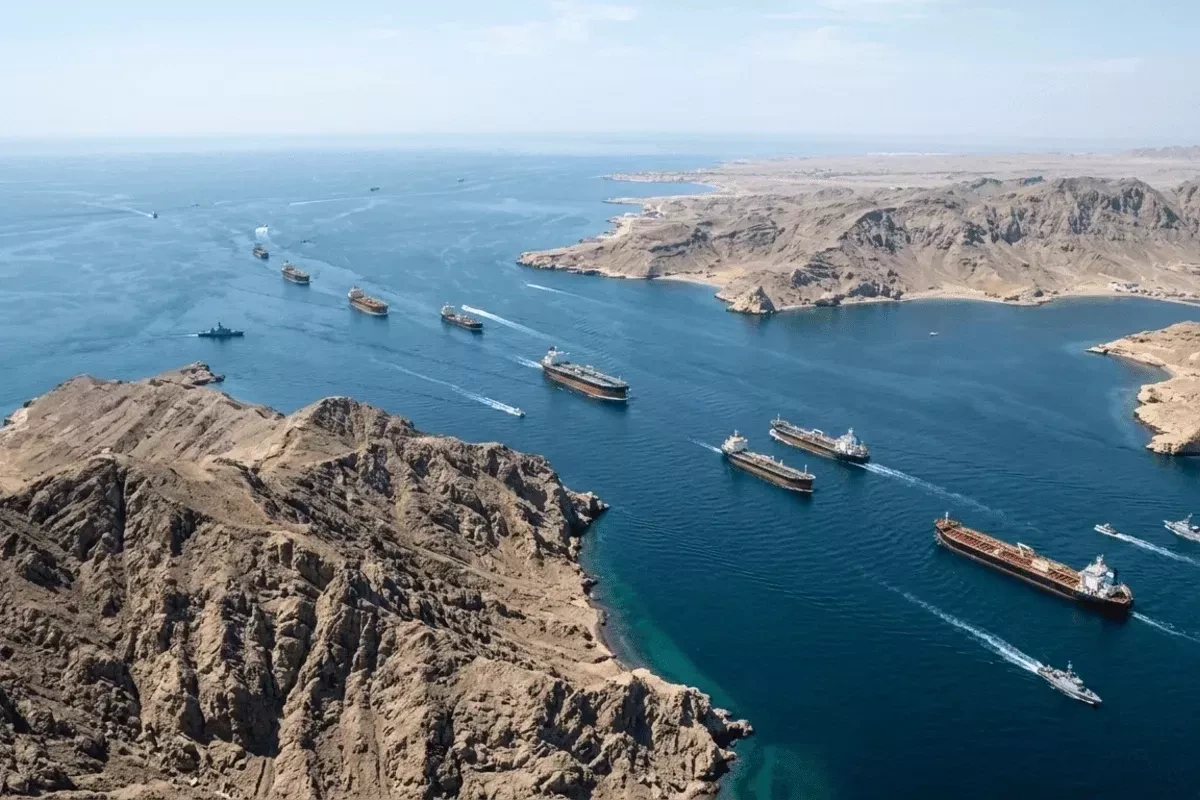
The disagreement has had immediate consequences for global shipping. The traditional Traffic Separation Scheme through Hormuz has become hazardous because of mines, pushing vessels toward an alternative route through Omani waters. While the United States has escorted ships along that passage and the United Nations has encouraged its use, Iran now says the Oman route is also closed.
Regardless of competing claims, The Economist notes that perceptions of risk are driving shipowners away. Data from Kpler and Windward show tanker traffic has fallen sharply, while Brent crude prices have risen around 20% since July 6 to about $87 a barrel.
The publication argues that Trump's original strategy relied on sanctions relief persuading Iran to reopen Hormuz. Tehran, facing an economy weakened by sanctions and what it says is $270 billion in war damage, initially accepted the deal in pursuit of economic benefits. However, divisions between pragmatic officials seeking relief and hardliners determined to retain leverage over the strait now appear to be undermining that approach.
The Economist says Washington's alternatives are equally problematic. Continued limited strikes have failed to alter Iranian behaviour despite hundreds of attacks on military sites. Escalating the conflict risks broader regional war, while deploying ground forces remains politically unrealistic. Reimposing the blockade simply restores the tense standoff that preceded the June agreement, with no guarantee Iran will again accept the economic pressure.
International support also appears limited. Britain and France are prepared to cooperate with Oman on mine-clearing, but renewed fighting has discouraged wider participation. Germany has yet to approve involvement, Japan remains undecided, Gulf states fear Iranian retaliation, and China has confined itself to urging Tehran to reopen the waterway.
According to The Economist, neither side can achieve its objectives through military means. The United States cannot force the strait open through bombing, while Iran gains little economically if shipping remains disrupted. The magazine concludes that, despite its growing shortcomings, the deteriorating peace agreement remains the least damaging option for both sides—even as they continue to undermine it through renewed confrontation.
By Sabina Mammadli