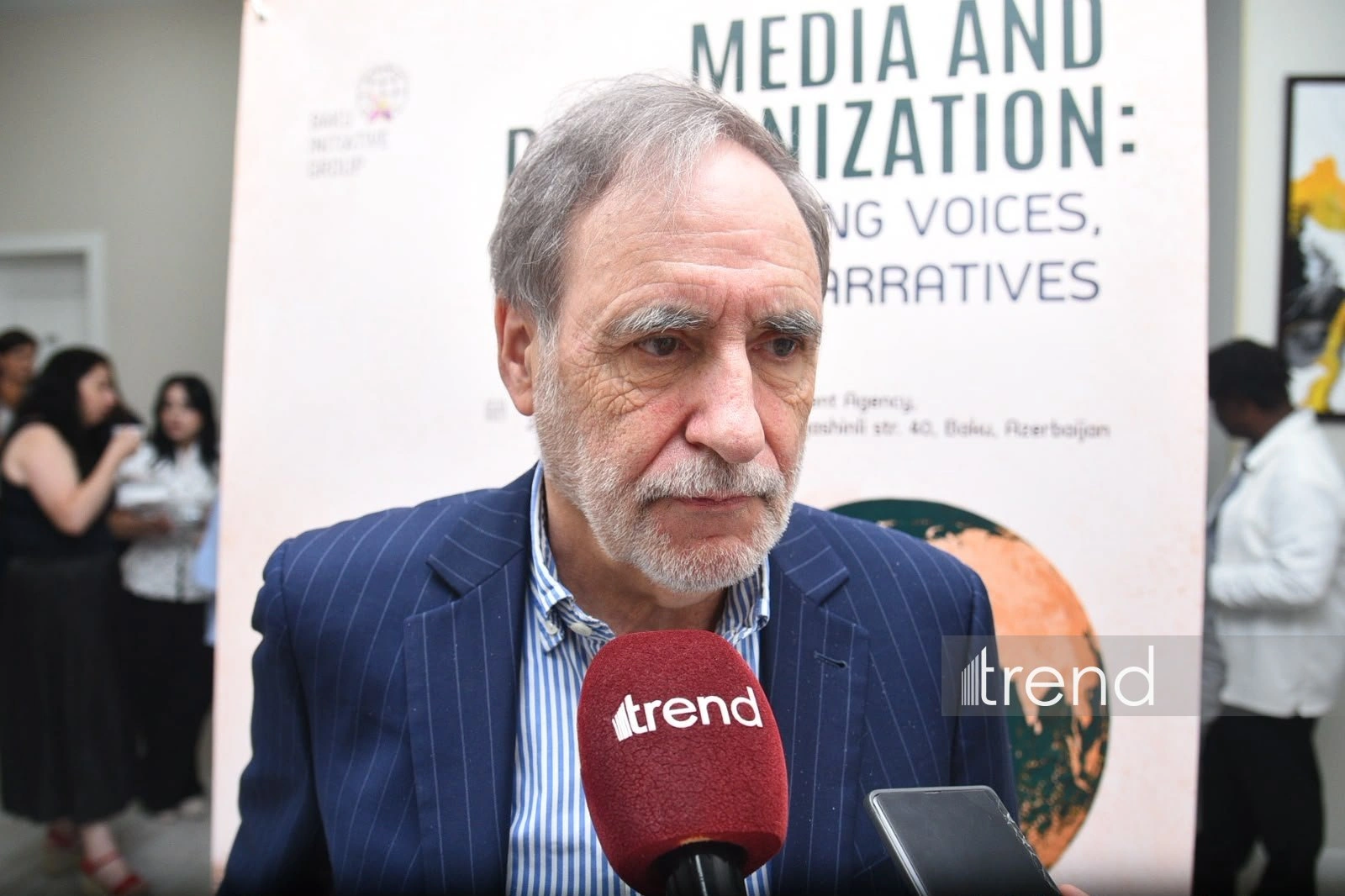
BAKU, Azerbaijan, July 11. It is necessary to
move from words to action in support of independent media, the
founder of the French news portal Musulmans en France, Jean-Michel
Brun, told Trend on
the margins of an international conference on “Media and
Decolonization: Rising Voices, Amplifying Narratives” in Baku.
“Events like this are very important because they allow people
to speak out and give a voice to those who usually do not have the
opportunity to speak and tell their own stories. Although these
speeches are very useful, they are not enough. We need to move on
to practical steps,” he said.
Brun noted that, first and foremost, one must bear in mind that
Europe is, in a sense, an artificial construct.
“In reality, Europe does not exist as a single entity. There is
a big difference between the official policy of the European Union
and the sentiments of the European peoples. These are fundamentally
different things. Furthermore, policy toward Azerbaijan, for
example, is largely determined by the fact that there is a large
Armenian diaspora in Europe, especially in France,” Brun said.
He emphasized that this diaspora wields significant
influence.
"The Armenians have also come to understand very well that
communications and the media are a key factor. That is why they
have gained influence in journalism schools, newspapers, and other
media outlets. As a result, the policies of European institutions
are largely shaped by this pro-Armenian press. That is precisely
why Azerbaijan really should engage more actively with the media,”
Brun added.
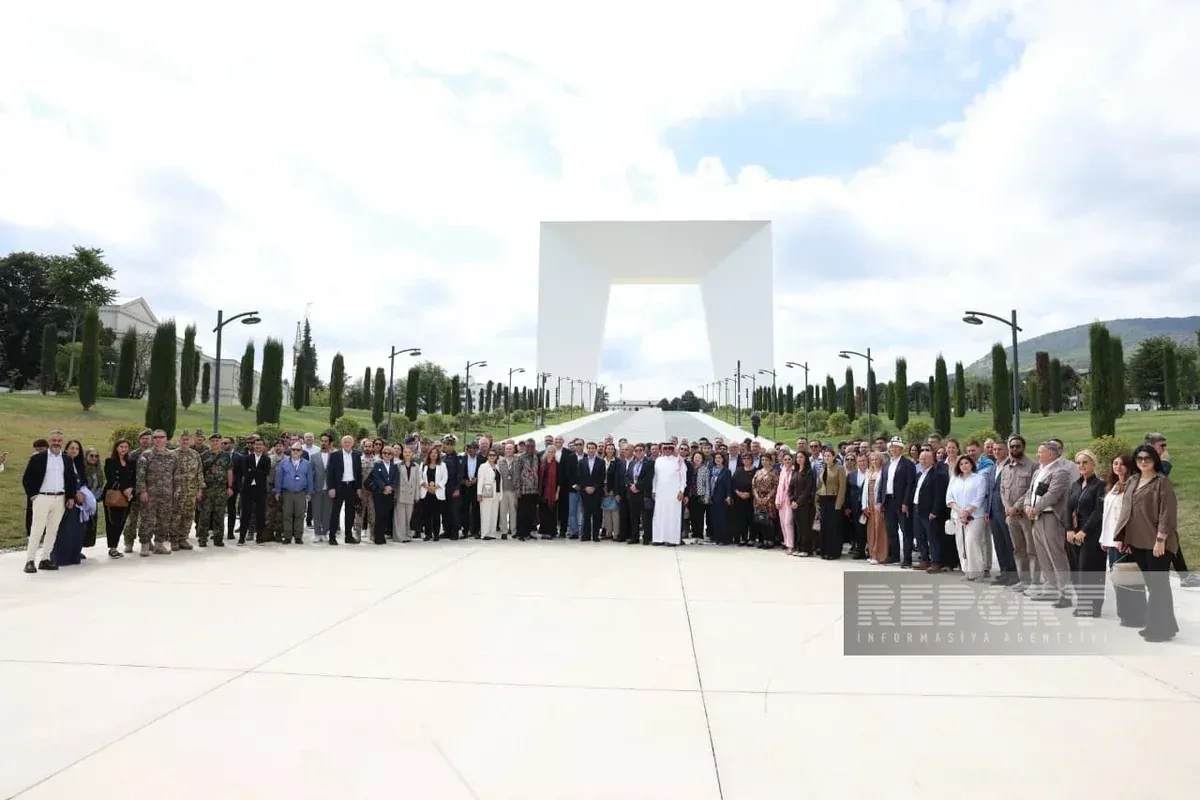
Meanwhile, an international conference organized by BIG on the
theme “Media and Decolonization: Rising Voices, Amplifying
Narratives” has begun in Baku.
The conference is the first platform of its kind organized in
Azerbaijan with the participation of media representatives from
former colonial territories.
The conference brings together leaders and representatives of
media organizations from former and current colonial territories,
journalists, political commentators, representatives of diaspora
organizations, experts in media and communications, representatives
of civil society institutions, researchers, diplomats, government
officials, and representatives of local media.