BAKU, Azerbaijan, July 11. The struggle for
decolonization must also be waged in the information sphere, a
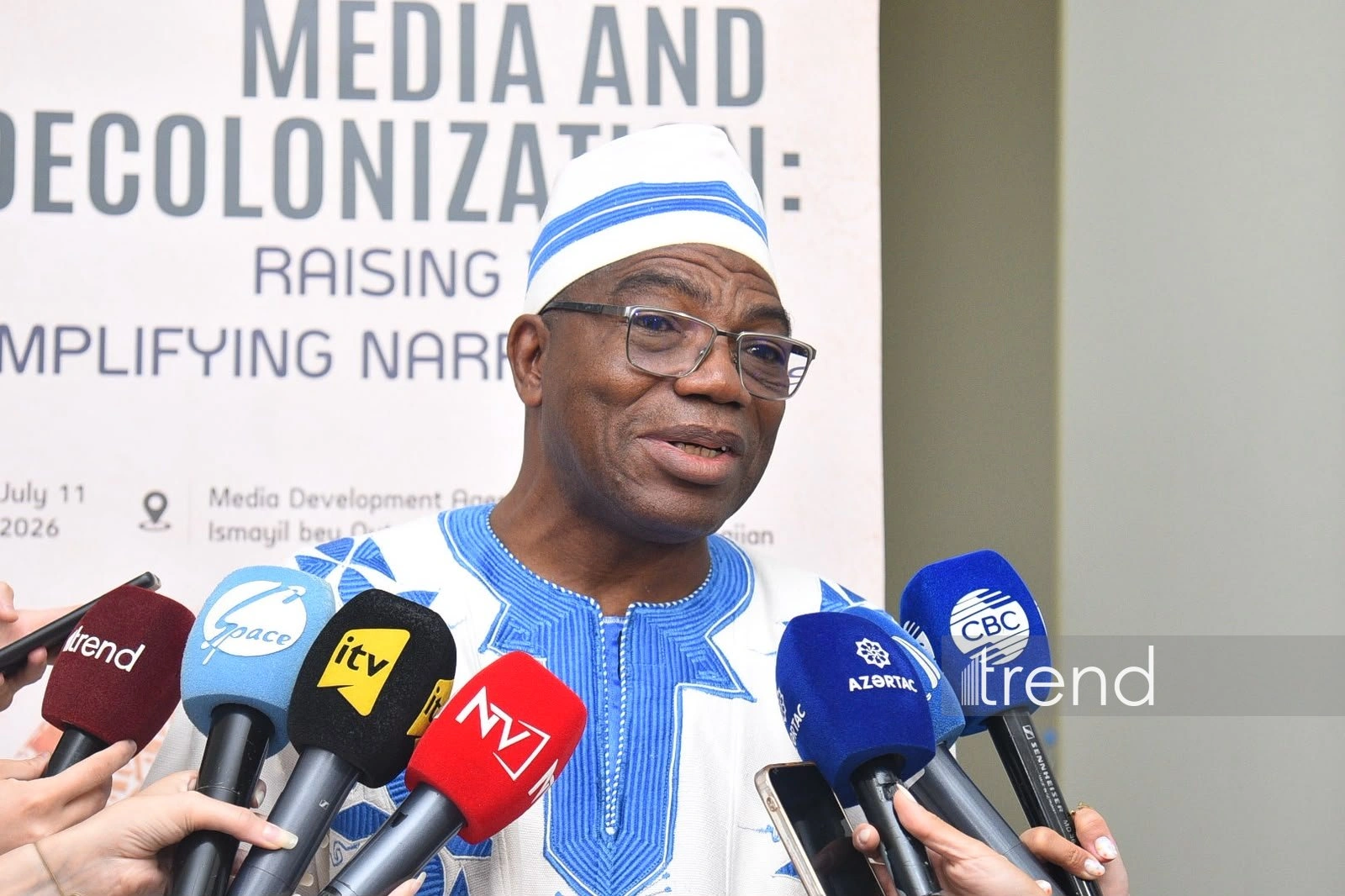
participant from Burkina Faso, Moussa Konate, told reporters on the
margins of the international conference on “Media and
Decolonization: Rising Voices, Amplifying Narratives” in Baku,
Trend's correspondent
reports from the event.
“This conference is very important to us because we cannot give
up our struggle for decolonization. Decolonization is of immense
importance to our country. We gained independence more than 60
years ago, but the reality is quite different. In practice, we
still do not have true freedom on our own soil. The French
government continues to act in our country as it sees fit. In
reality, we do not enjoy full freedom - neither in the economic
sphere, nor in culture, nor in many other areas,” he said.
Konaté noted that the Baku Initiative Group has provided an
opportunity to remain in one’s own country while also offering a
platform to convey one’s position to the international community
and the global media.
“This is very important. That is precisely why we consider it
necessary to be here and discuss these issues together with
representatives of the media and African countries. We understand
that the struggle must not be waged only on the ground. It is
equally important to wage the struggle in the information sphere
and achieve economic freedom. That is precisely why we are here
today,” he emphasized.
Meanwhile, an international conference organized by BIG on the
theme “Media and Decolonization: Rising Voices, Amplifying
Narratives” has begun in Baku.
The conference is the first platform of its kind organized in
Azerbaijan with the participation of media representatives from
former colonial territories.
The conference brings together leaders and representatives of
media organizations from former and current colonial territories,
journalists, political commentators, representatives of diaspora
organizations, experts in media and communications, representatives
of civil society institutions, researchers, diplomats, government
officials, and representatives of local media.