BAKU, Azerbaijan, July 11. Decolonization is
not only a constitutional process, but it is also a process of
communication, former government advisor and an active member of
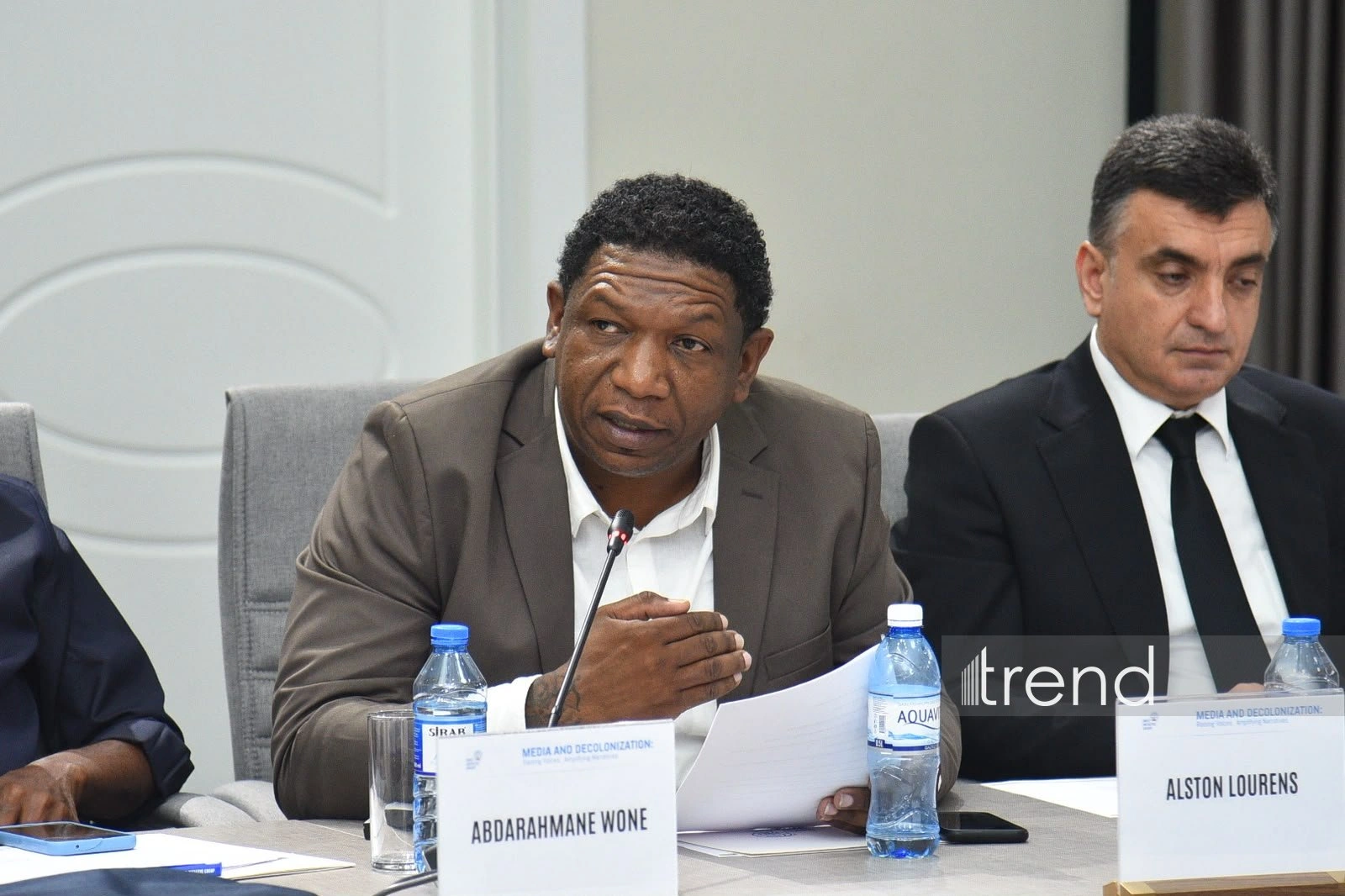
civil society in Sint Maarten, Alston Lourens said, Trend's correspondent reports
from the event.
Lourens made the remark at an international conference on “Media
and Decolonization: Rising Voices, Amplifying Narratives” in
Baku.
“If colonialism was sustained through certain narratives, then
decolonization must also reclaim the right to shape its own
narrative. In many Caribbean countries, national broadcasting — the
existence of a state-run television station — has gradually become
a thing of the past,” he said.
According to him, news is increasingly produced by private
companies operating in a commercial market.
“Small islands often depend on media content produced outside
their territories. In other regions, journalism is supported by
government subsidies. Each of these models has its advantages, but
each also influences which topics receive sustained attention,”
Lawrence noted.
He emphasized that constitutional development,
self-determination, and decolonization rarely become commercially
attractive topics.
“Far more often, movements that advocate these ideas are
portrayed as destructive, unrealistic, problematic, and sometimes
even extremist, rather than being viewed as legitimate participants
in democratic discourse,” Alston Lourens said.
Meanwhile, an international conference organized by BIG on the
theme “Media and Decolonization: Rising Voices, Amplifying
Narratives” has begun in Baku.
The conference is the first platform of its kind organized in
Azerbaijan with the participation of media representatives from
former colonial territories.
The conference brings together leaders and representatives of
media organizations from former and current colonial territories,
journalists, political commentators, representatives of diaspora
organizations, experts in media and communications, representatives
of civil society institutions, researchers, diplomats, government
officials, and representatives of local media.