BAKU, Azerbaijan, July 9. Tajikistan has
approved new rules governing the integration of renewable energy
into the national power grid and electricity sales.
This was reflected in a press release published by Tajikistan's
Ministry of Energy and Water Resources on July 9 following the
government's adoption of Resolution No. 449 on July 1.
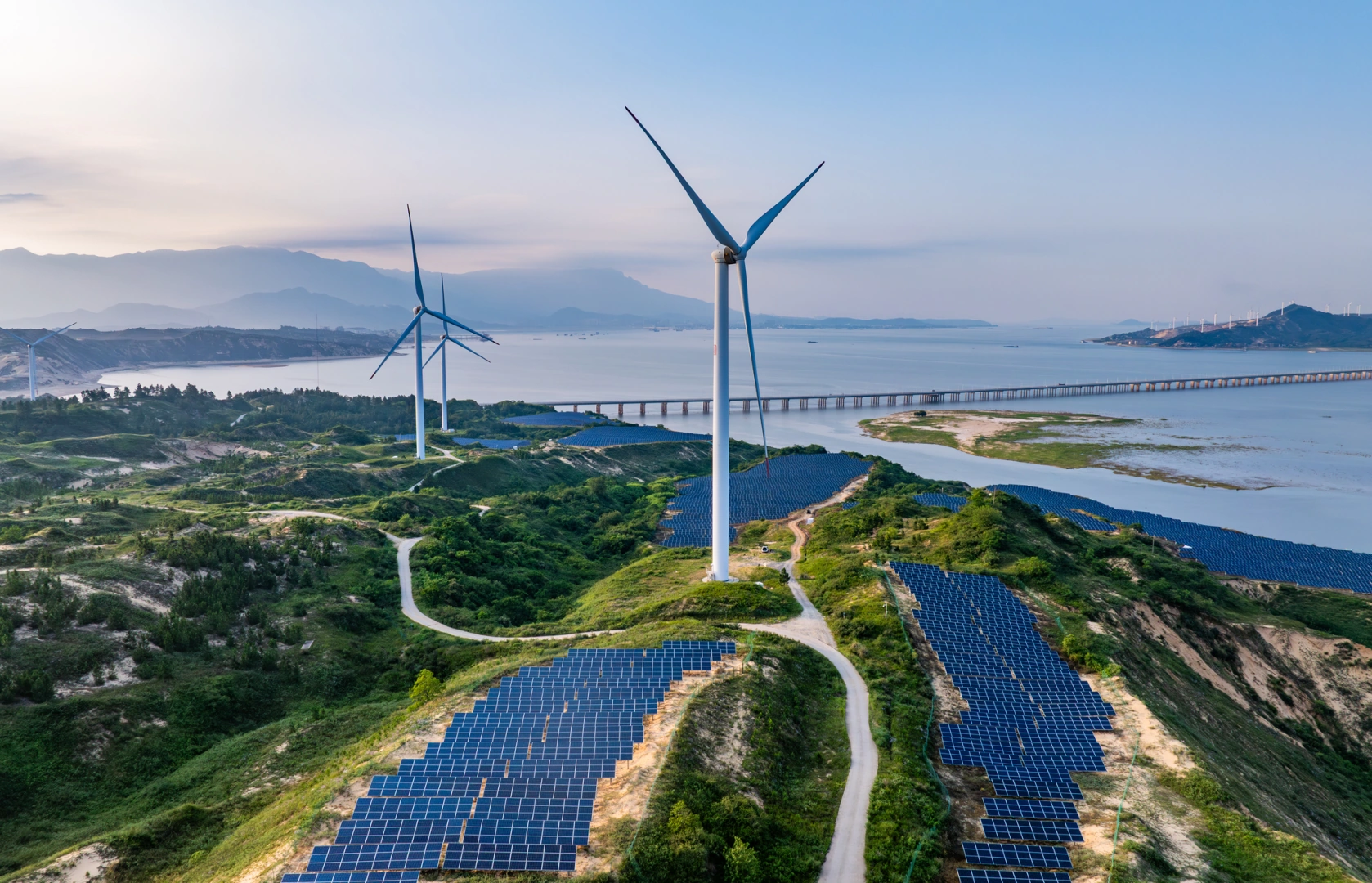
"The rules regulate the procedure for connecting solar power
plants (solar panels), small hydropower plants, wind power
installations and other renewable energy facilities to the
electricity grid, as well as the accounting and payment for
generated electricity," the ministry said.
According to the ministry, the new regulation establishes the
legal framework for connecting renewable energy facilities to the
country's power system and supplying electricity to consumers. It
is intended to support the development of green energy, improve
energy efficiency, attract investment and promote the introduction
of modern energy technologies.
The rules introduce the concept of an "active consumer" - an
individual or organization that primarily generates electricity for
its own needs using renewable energy facilities but can also feed
surplus electricity into the grid, the report says.
According to the ministry, renewable energy installations are
divided into four categories: micro systems with a capacity of up
to 15 kilowatts, small systems from 15 to 100 kilowatts, medium
systems from 100 kilowatts to one megawatt, and large systems
exceeding one megawatt. Under the regulation, households and small
businesses installing renewable energy systems with a capacity of
up to 15 kilowatts will benefit from a simplified grid connection
procedure. Applications must be reviewed within 10 working
days.
The report noted, that if such systems are used exclusively for
self-consumption and are technically prevented from exporting
electricity to the grid, owners will only need to notify the
network operator. However, installations intending to supply excess
electricity to the grid must obtain technical connection
conditions.
Meanwhile, Tajikistan has been expanding its renewable energy
framework as part of efforts to diversify electricity generation
and improve energy security. While the country's power sector is
dominated by hydropower, the government has increasingly promoted
solar and wind energy through legislative reforms and investment
incentives. The adoption of dedicated grid connection rules is
expected to facilitate private investment in distributed renewable
generation and support broader modernization of the electricity
sector.