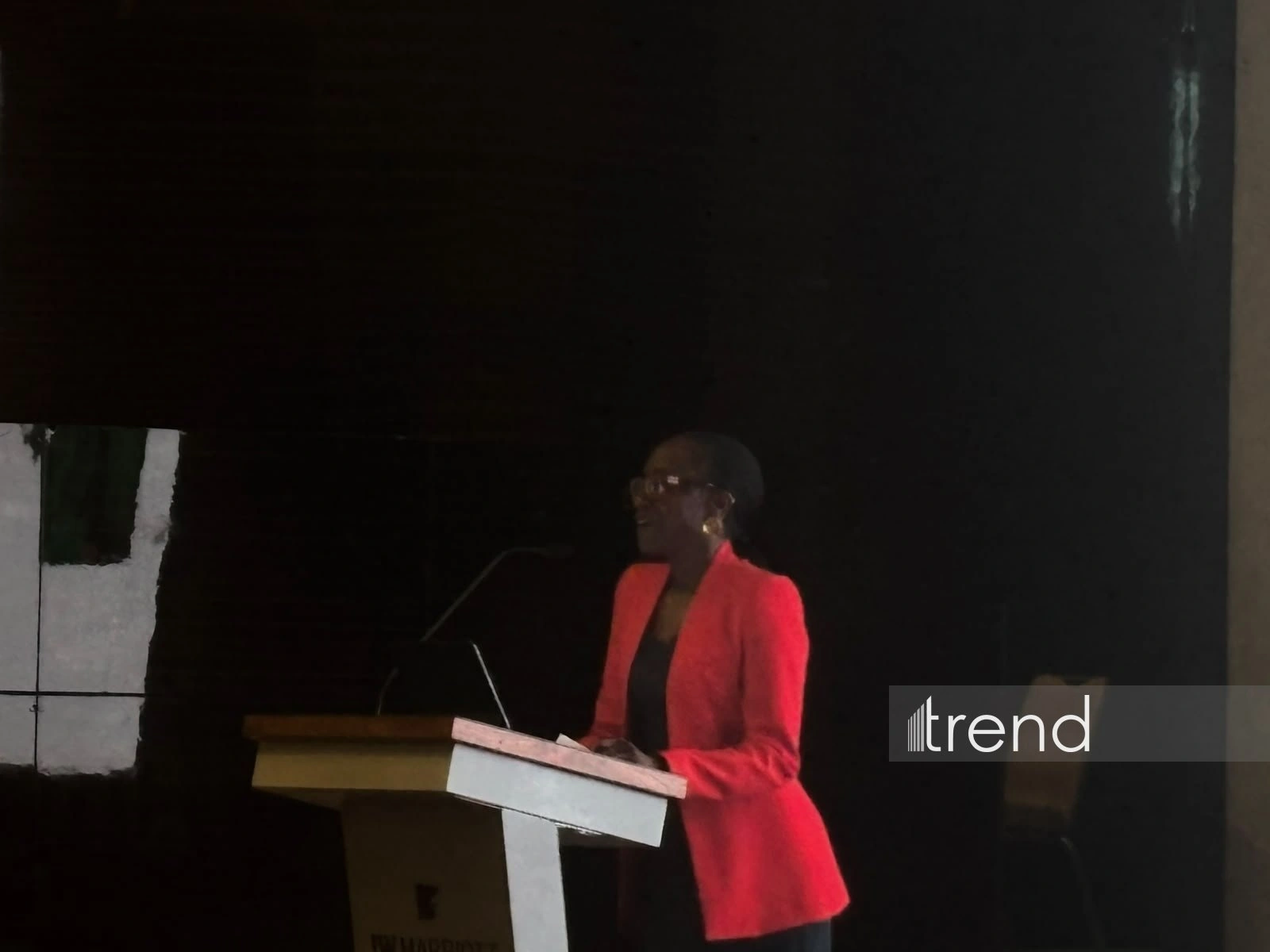
BAKU, Azerbaijan, July 9. Azerbaijan needs to
accelerate the diversification of its economy, and tourism could
become one of the key sources of sustainable growth in the long
term, the World Bank’s Regional Director for the South Caucasus,
Rolande Pryce said, Trend's correspondent reports from the event.
She made the announcement at the event “Unlocking Tourism's
Potential to Drive Economic Growth and Diversification.”
According to her, the World Bank’s new report on Azerbaijan
consists of two parts: “The first is devoted to an analysis of the
macroeconomic situation, while the second examines a specific topic
of significant importance for the country’s economic
development.”
"In the case of Azerbaijan, we have focused on tourism. The
report analyzes the country’s latest economic indicators, assesses
its medium-term prospects, and examines how tourism can contribute
to long-term economic growth and economic diversification. Over the
past decade, Azerbaijan has demonstrated resilience in the face of
external challenges. This has been facilitated by effective
macroeconomic management, substantial fiscal reserves, and prudent
government policies, which have helped maintain economic stability
amid numerous external shocks. “The country’s economy is facing new
realities. The gradual decline in hydrocarbon production means that
sustaining economic growth and creating quality jobs will
increasingly depend on the development of the non-oil sector of the
economy,” she said.
Pryce noted that Azerbaijan possesses a unique combination of
advantages: a rich cultural heritage, diverse natural landscapes,
well-developed international transport links, and a strategic
location between Europe and Asia.
"Over the past decade, the tourism sector has grown
significantly and today accounts for a substantial share of service
exports. Compared to other countries in the region, Azerbaijan’s
tourism potential has not yet been fully tapped in terms of the
number of tourists, job creation, and its impact on regional
development. Further development of the industry will require a
shift from a model focused primarily on Baku and hosting events to
a more diversified tourism ecosystem that unlocks the potential of
the country’s regions,” she said.
According to Pryce, this will require improving the management
of tourist destinations, enhancing transportation accessibility,
developing hotel infrastructure and tourism services outside the
capital, supporting local entrepreneurs, investing in professional
skills development, and expanding air connectivity and access to
international markets.
"Tourism is not just about attracting visitors. It is also about
creating opportunities for local businesses, stimulating
investment, creating jobs, especially for women and young people,
and ensuring a broader distribution of the benefits of economic
growth throughout the country. The development of the tourism
industry can stimulate growth in the transportation sector, the
hospitality industry, agriculture, trade, and small and
medium-sized enterprises. The Government of Azerbaijan has already
identified tourism as one of its strategic priorities and has set
ambitious goals for the industry’s development. “The main challenge
now lies in implementing these plans—transforming them into
investment projects, strengthening cooperation between the public
and private sectors, and ensuring the competitiveness of regional
tourist destinations in the international market,” she said.