BAKU, Azerbaijan, July 9. The Middle Corridor
will retain its strategic importance, ITF told Trend.
According to the International Transport Forum representative,
routes passing through Turkmenistan and Iran could become more
attractive for cargo moving between Central Asia and the Persian
Gulf, Türkiye, or Middle Eastern markets with the lasting peace
between the US and Iran.
"Improved relations could make routes through Turkmenistan and
Iran more attractive, particularly for cargo moving between Central
Asia and the Persian Gulf, Türkiye, or markets in the Middle East,"
the organization said.
The ITF noted that, for certain origin-destination pairs,
overland transit through Iran may offer operational advantages.
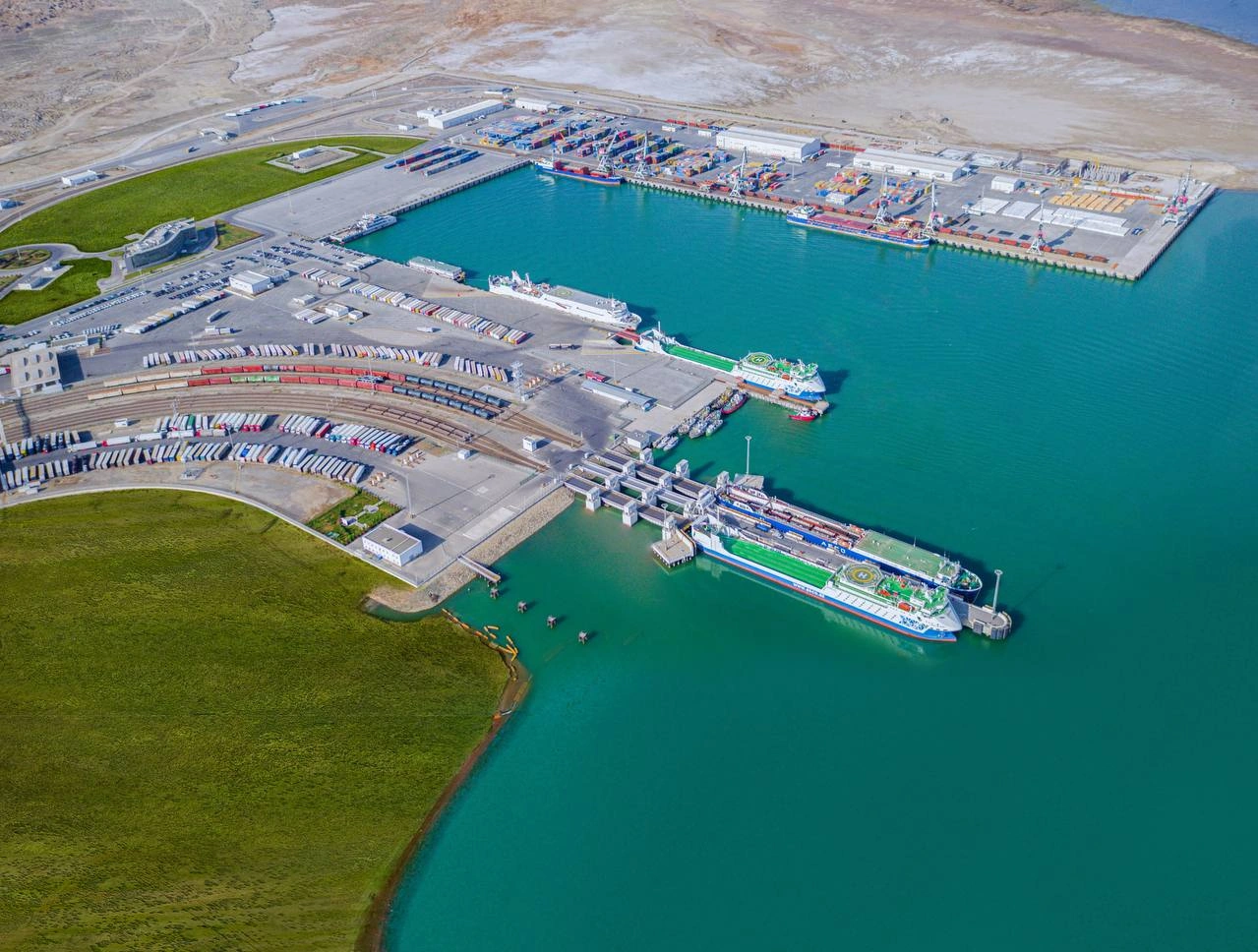
"For some origin-destination pairs, a land route through Iran
could avoid the additional handling, port interfaces, and ferry
operations required for a Caspian Sea crossing. This could place
competitive pressure on the Trans-Caspian route," the organization
said.
At the same time, the ITF believes the Middle Corridor will
continue to play a key role in Eurasian connectivity.
"The Middle Corridor would nevertheless retain strategic value
as a diversified Asia–Europe route that avoids both Russia and
Iran. It will continue to benefit from strong political and
investment support for Eurasian connectivity," the organization
noted.
According to the ITF, its analysis identified the Middle
Corridor as the most feasible alternative to the Northern Corridor
after disruptions caused by the war in Ukraine.
"Its long-term competitiveness, however, depends on addressing
operational bottlenecks," the organization added.
The ITF also sees opportunities for Turkmenistan under different
transport configurations.
"Turkmenistan could potentially benefit under both
configurations. It can serve as a transit country for routes
crossing the Caspian towards Azerbaijan and for routes running
south through Iran," the organization said.
Meanwhile, as no tangible progress was made in the nuclear
negotiations between the U.S. and Iran, the situation escalated on
February 28, when the United States and Israel launched military
airstrikes against Iran. In retaliation, Iran initiated missile and
drone strikes targeting Israeli and U.S. installations in the
region. Following these developments, a two-week ceasefire
agreement was brokered on April 7 through Pakistan's mediation.
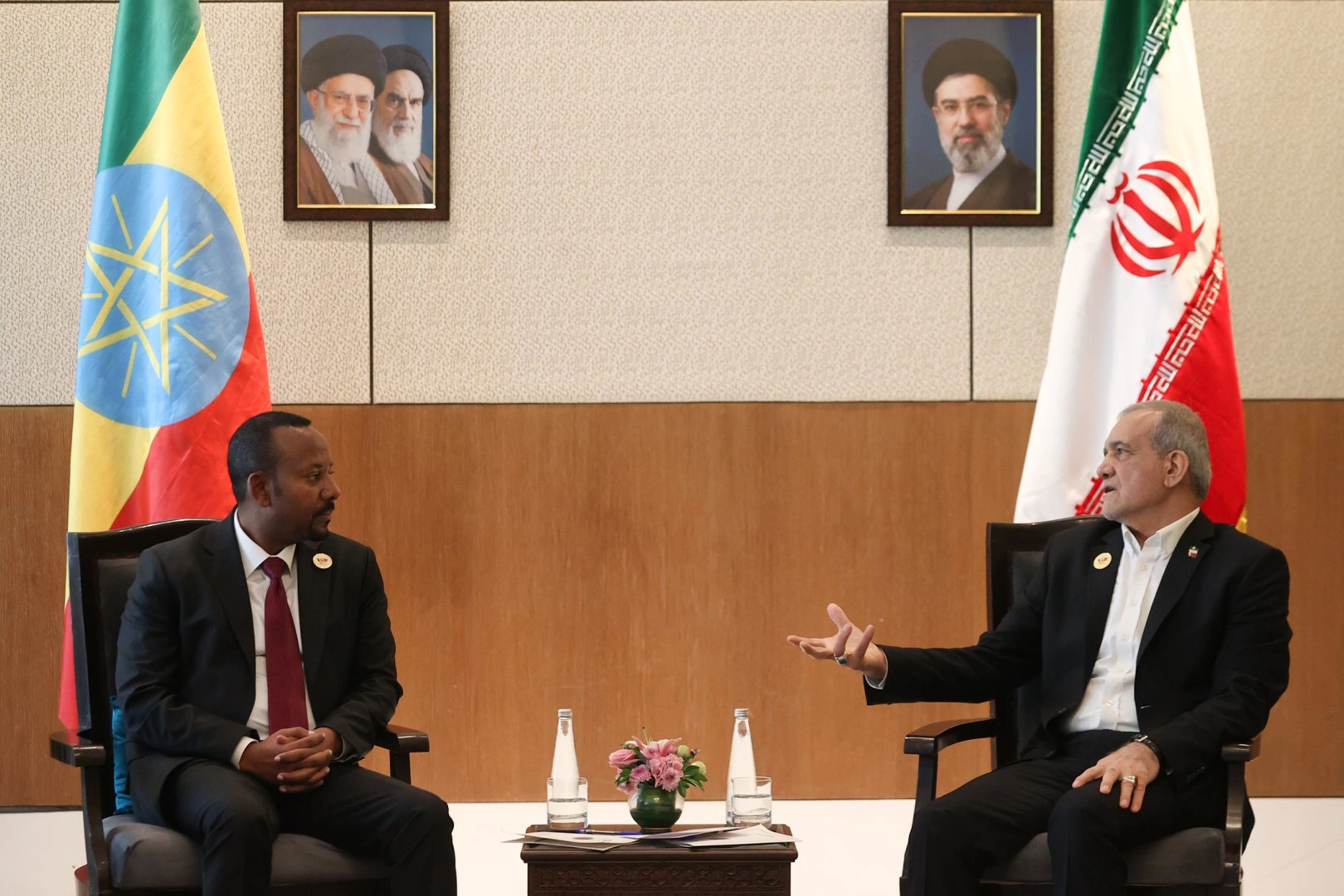
A peace memorandum was signed between Iran and the U.S. on June
18. The memorandum was signed by Iranian President Masoud
Pezeshkian and U.S. President Donald Trump. The memorandum came
into effect on June 19.
On June 21, the first round of talks between Iran and the U.S.
took place in Switzerland, mediated by Pakistan and Qatar. Among
the issues discussed was the restoration of safe navigation through
the Strait of Hormuz, one of the world's most strategically
important maritime chokepoints, following weeks of heightened
military tensions and disruptions to regional shipping. The
waterway carries around one-fifth of global oil consumption and a
significant share of global liquefied natural gas (LNG) trade,
making its uninterrupted operation critical for global shipping,
energy markets, and supply chains.