BAKU, Azerbaijan, July 8. Uzbekistan and Japan
have discussed prospects for expanding energy cooperation, with
seven prospective projects worth a combined $7.7 billion currently
under consideration.
This was reflected in the statement by the Ministry of Energy of
Uzbekistan.
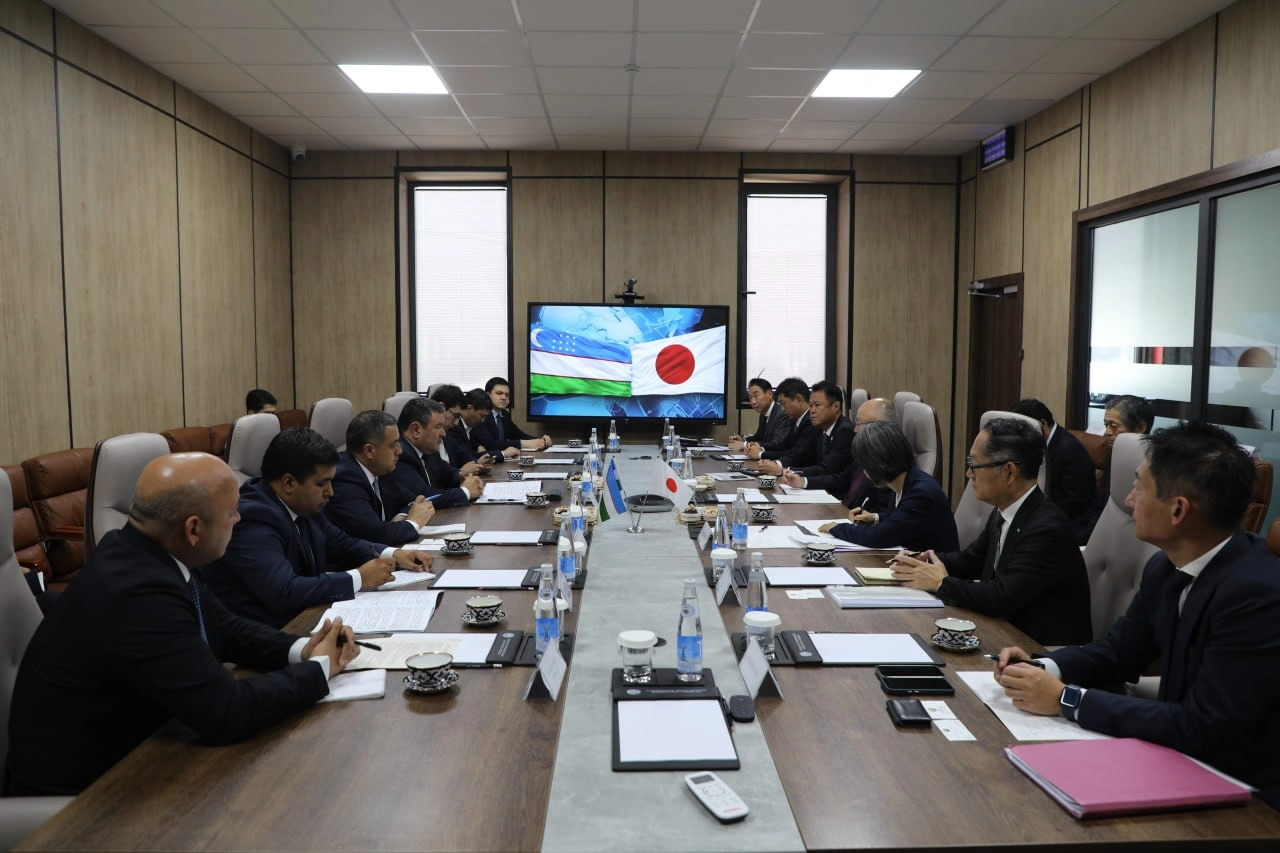
Uzbek Energy Minister Jurabek Mirzamakhmudov held talks with a
delegation led by Takeshi Hashimoto, chairman of the Japan Business
Cooperation Committee at KEIDANREN, Uzbekistan's Ministry of Energy
said.
The meeting was attended by Uzbekistan's Ambassador to Japan M.
Abdurakhmonov and representatives of Shimizu Corporation, Sumitomo
Corporation, Sojitz Corporation, Mizuho Bank, Mitsubishi Heavy
Industries EMEA, Marubeni Corporation and ITOCHU Corporation.
“The historic state visit of the President of Uzbekistan to
Japan on December 18-20, 2025, brought bilateral relations to a
qualitatively new level and gave a strong impetus to the
development of cooperation,” the ministry said.
The sides noted that investment by Japanese companies in
Uzbekistan's energy sector, particularly in renewable energy
projects, has increased significantly, creating new opportunities
for further cooperation.
“To date, 14 major projects worth a total of $5.6 billion have
been implemented in Uzbekistan's energy sector with the
participation of Japanese companies,” the ministry said. “Six
projects worth $2.6 billion are currently under implementation,
while seven prospective projects totaling $7.7 billion are under
consideration.”
The parties also reviewed priority areas for future cooperation,
including the construction of high-voltage transmission lines and
substations under the EPC+F model and improving energy efficiency
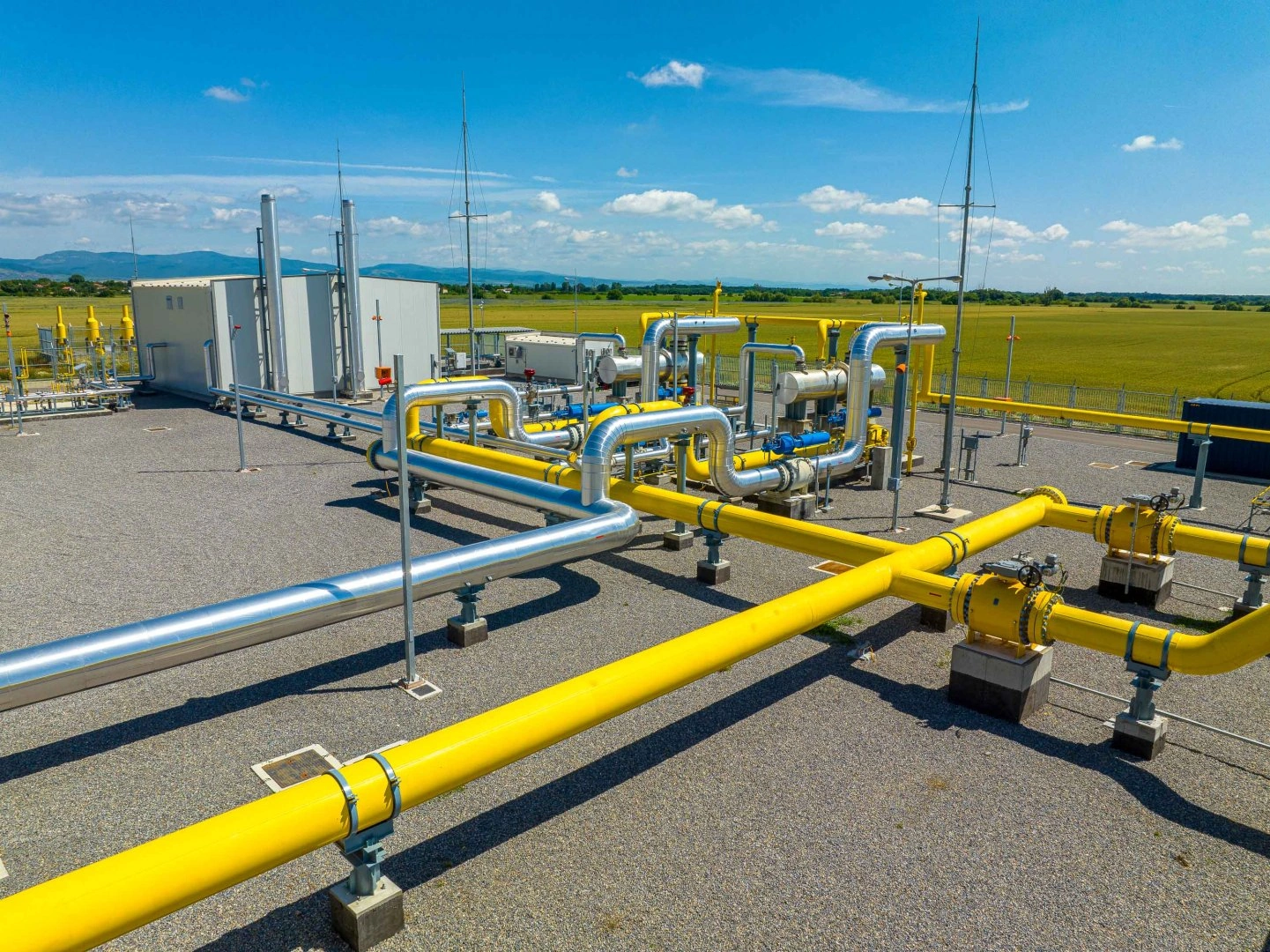
through the electrification of compressor stations in the gas
transportation system.
Discussions also covered green hydrogen production technologies,
electric vehicle charging infrastructure, modern technical
standards, the application of Japan's energy efficiency expertise
and the integration of renewable energy sources into Uzbekistan's
power system.
The sides also considered cooperation in workforce training and
the exchange of expertise in managing modern energy systems.
“The parties expressed their readiness to further strengthen the
strategic partnership in the energy sector and consistently
implement mutually beneficial projects,” the ministry added.