BAKU, Azerbaijan, July 7. The list of measures
financed by the Energy Efficiency Fund will be expanded, Trend's correspondent
reports from the event.
This is reflected in the draft law on amendments to the law "On
the efficient use of energy resources and energy efficiency", which
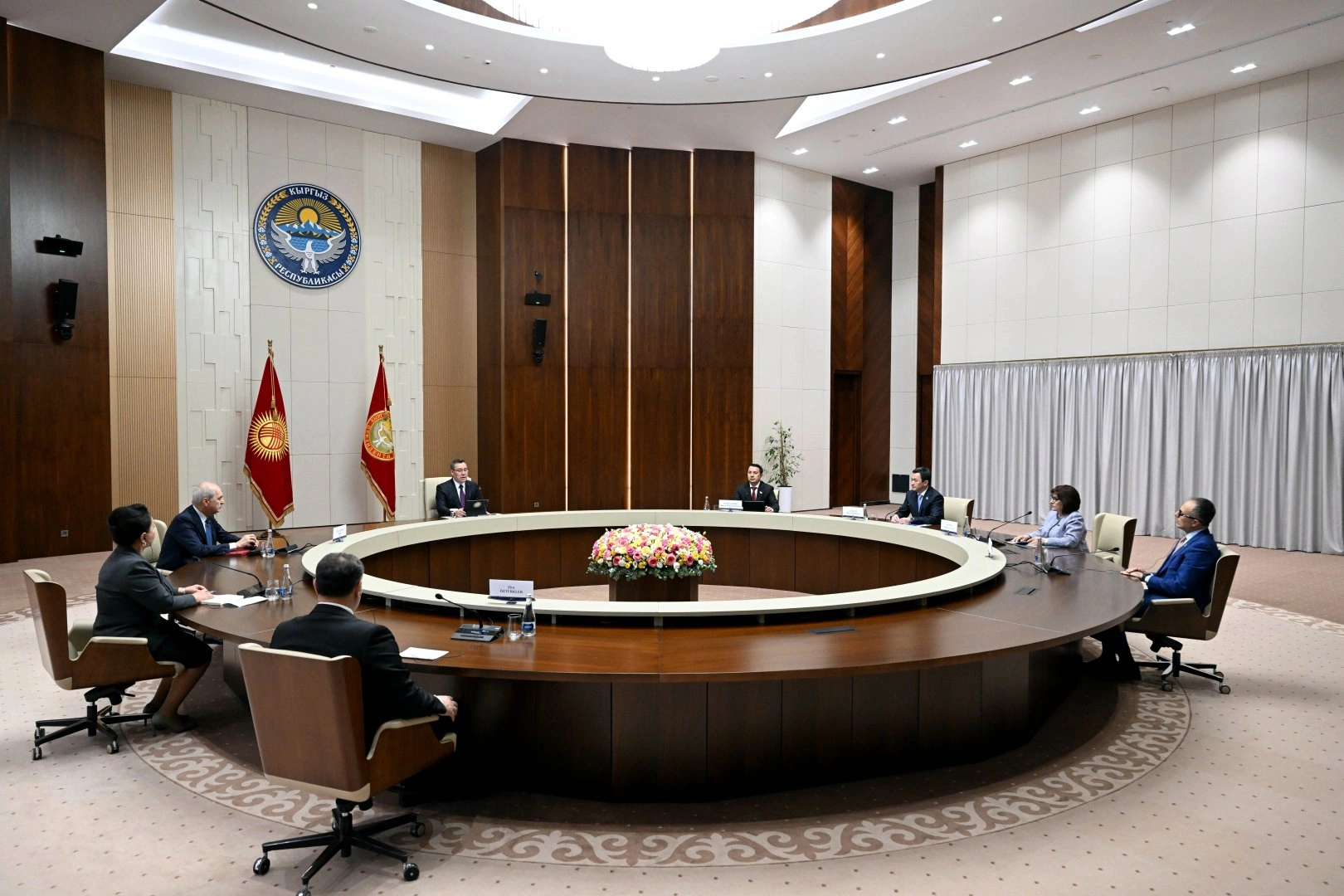
was discussed at today's meeting of the Committee on Natural
Resources, Energy and Ecology.
According to the draft law, the assets of the Energy Efficiency
Fund will be used to finance the measures envisaged in this law and
the following expenses of the body (organization) determined by the
relevant executive authority:
- procurement of software for the purpose of implementing,
improving, maintaining, and creating subsystems of the energy
efficiency information system, as well as accounting for
transactions related to the activities of the fund; - implementation of information provision and awareness-raising
measures in the field of efficient use of energy resources and
energy efficiency, as provided for in this law.
The upper limit of financing the measures envisaged in the two
paragraphs above will be determined by the procedure envisaged in
the following paragraph.
Thus, according to the current law, the procedure for the
formation and use of the funds of the energy efficiency fund is
determined by the body (institution) designated by the relevant
executive authority.
It was reported at the meeting that the draft law was prepared
with the aim of financing the implementation and maintenance of the
Energy Efficiency Information System, the creation of its
subsystems, as well as the implementation of information provision
and awareness-raising measures in the relevant field, as well as
the acquisition of software for the purpose of accounting for
transactions related to the activities of the fund, provided for in
the Law "On Efficient Use of Energy Resources and Energy
Efficiency".
Thus, the required funding for the implementation of the
above-mentioned measures will be provided from the fund.
It was emphasized that the draft law is aimed at creating a
stable financial mechanism for the sustainable and long-term
implementation of educational measures in the field of energy
efficiency, thereby promoting energy-efficient behavior, expanding
the level of public awareness, introducing new communication tools,
and forming a culture of energy saving.