BAKU, Azerbaijan, July 7. Uzbekistan and
Belarus are expanding cooperation in the transport and logistics
sector, with a focus on developing new international corridors,
increasing freight volumes, and strengthening connectivity across
Eurasia.
This was reflected in the statement by the Embassy of Uzbekistan
in Pakistan.
The two countries are actively cooperating within the framework
of the CIS Coordinating Transport Meeting, the Organization for
Cooperation of Railways (OSJD), and the Council for Railway
Transport of CIS Member States.
Both Uzbekistan and Belarus are also working together through
multilateral platforms, including the Commonwealth of Independent
States (CIS) and the Shanghai Cooperation Organization (SCO), where
the development of international transport corridors remains a key
area of cooperation.
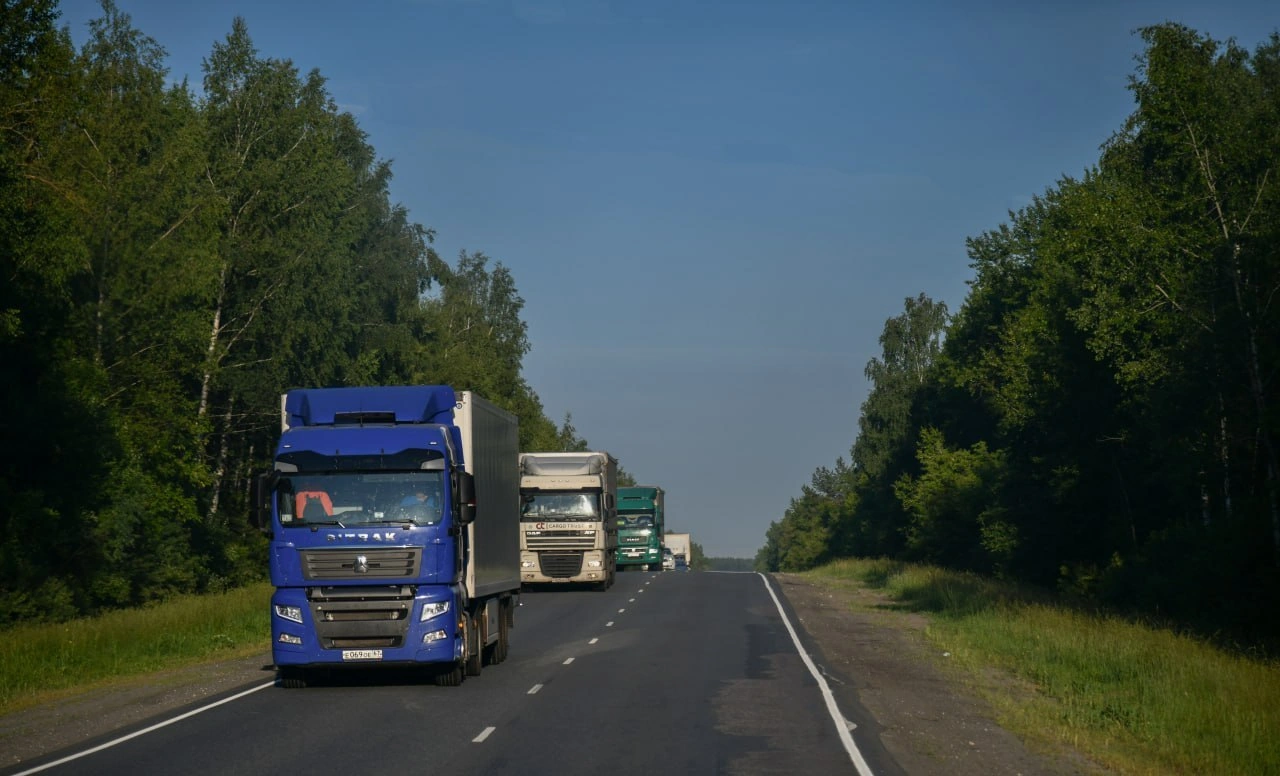
Belarus is among Uzbekistan’s major trade and transport
partners. In 2025, freight transportation between the two countries
reached 850,000 tons, marking a 30% increase compared with the
previous year.
“The growth in freight volumes demonstrates the existing
potential for expanding mutual transportation, particularly through
increasing Uzbek exports and developing new logistics routes,” the
statement said.
Currently, imports account for the majority of cargo flows,
including timber products and food supplies, while exports from
Uzbekistan are mainly represented by agricultural products.
Against the backdrop of geopolitical challenges and the
diversification of global supply chains, both countries are placing
greater emphasis on developing alternative transport routes
connecting East and West, as well as North and South.
One of the key projects under consideration is the creation of a
multimodal transport corridor linking Belarus – Russia – Kazakhstan
– Uzbekistan – Afghanistan – Pakistan – ports of the Indian
Ocean.
The agreement to establish and develop the route was launched in
2023 when the transport ministers of Uzbekistan, Russia, and
Kazakhstan signed a memorandum of understanding during the SCO
Transport Forum in Tashkent. Belarus and Pakistan joined the
memorandum in 2024, while discussions are ongoing regarding
Afghanistan’s participation.
“The corridor is expected to significantly reduce delivery times
and shorten transport routes, directly connecting CIS and European
markets with South and Southeast Asia,” the ministry said.
According to the project’s estimates, the route could be
approximately twice as short as existing alternatives and reduce
delivery periods by two to three times.
The initiative also includes plans to introduce common operating
standards, unified transport documentation, and harmonized
technical procedures among participating countries.
Uzbekistan’s growing transit role has already shown positive
results. In the first quarter of 2026, transit freight volumes
moving through Uzbekistan toward southern destinations increased by
23% year-on-year, reaching 1.8 million tons, including 1.3 million
tons transported by rail and 500,000 tons by road.
Another area of potential cooperation is the training of
transport industry specialists. Belarus, which has an established
education system in railway and transport fields, could strengthen
cooperation with Uzbekistan’s specialized institutions, including
through student exchanges, professional training programs, and
joint research projects.
“Cooperation between the Belarusian State University of
Transport and Uzbekistan’s transport institutions could support the
development of modern expertise in railway transport, multimodal
logistics, and international transportation,” officials noted.
The countries are also considering expanding digital cooperation
through the introduction of electronic exchange of road transport
permits via the E-permit system.
“Digitalization of permit procedures will improve transparency,
reduce the impact of human factors, and strengthen control over the
use of permits amid growing road freight volumes,” the statement
said.
Officials emphasized that transport cooperation between
Uzbekistan and Belarus is moving beyond traditional freight
expansion and is gaining strategic importance.
“Projects ranging from the development of a multimodal corridor
toward Indian Ocean ports to the digitalization of transport
procedures can transform the geographic position of both countries
into a competitive advantage,” the statement concluded.
The implementation of these initiatives is expected to
strengthen economic ties between Uzbekistan and Belarus while
contributing to the development of sustainable transport
connectivity across Eurasia.