BAKU, Azerbaijan, July 7. Resilience will
remain a defining factor for global logistics even after transit
through the Strait of Hormuz resumes.
This was stated by a representative of the International
Transport Forum (ITF) in an exclusive commentary to Trend.
"ITF continues to monitor the development of the situation at
the Strait of Hormuz as with other disruptions to global
logistics," the organization said.
According to the ITF, transport systems today face cascading
risks from climate hazards, economic instability, technological
failures, health crises, and geopolitical tensions. In this regard,
the logistics sector has increasingly shifted its priorities in
response to these challenges.
"Focus has shifted from efficiency to resilience, emphasizing
functionality under stress and uncertainty amid climate change and
digital risks," the organization said.
According to the ITF, resilient transport networks help maintain
economic activity while improving the sector's ability to respond
to disruptions.
"Resilience supports economic continuity, protects vulnerable
populations, enables faster recovery, and fosters learning and
innovation," the organization added.
Meanwhile, as no tangible progress was made in the nuclear
negotiations between the U.S. and Iran, the situation escalated on
February 28, when the United States and Israel launched military
airstrikes against Iran. In retaliation, Iran initiated missile and
drone strikes targeting Israeli and U.S. installations in the
region. Following these developments, a two-week ceasefire
agreement was brokered on April 7 through Pakistan's mediation.
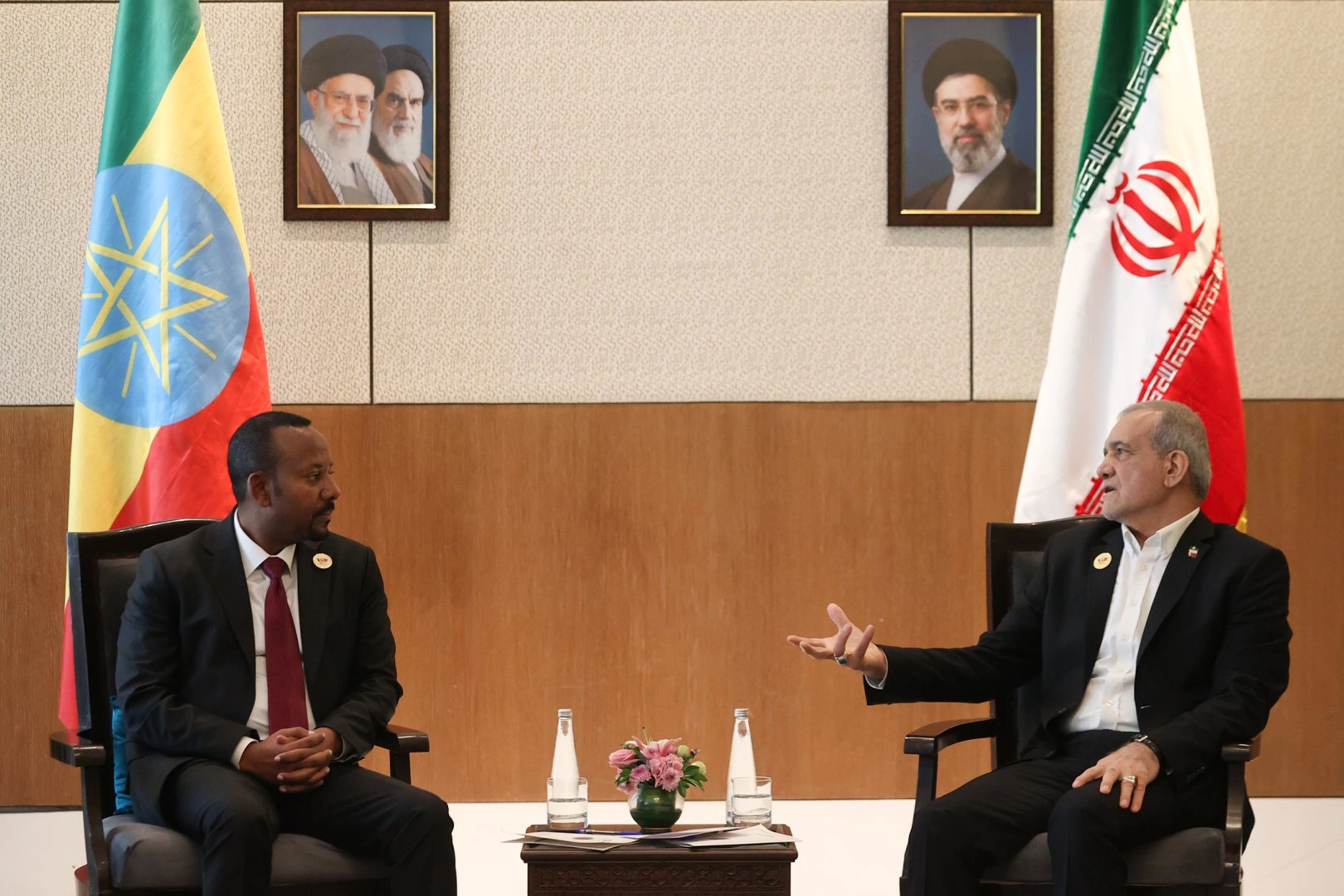
A peace memorandum was signed between Iran and the U.S. on June
18. The memorandum was signed by Iranian President Masoud
Pezeshkian and U.S. President Donald Trump. The memorandum came
into effect on June 19.
On June 21, the first round of talks between Iran and the U.S.
took place in Switzerland, mediated by Pakistan and Qatar. Among
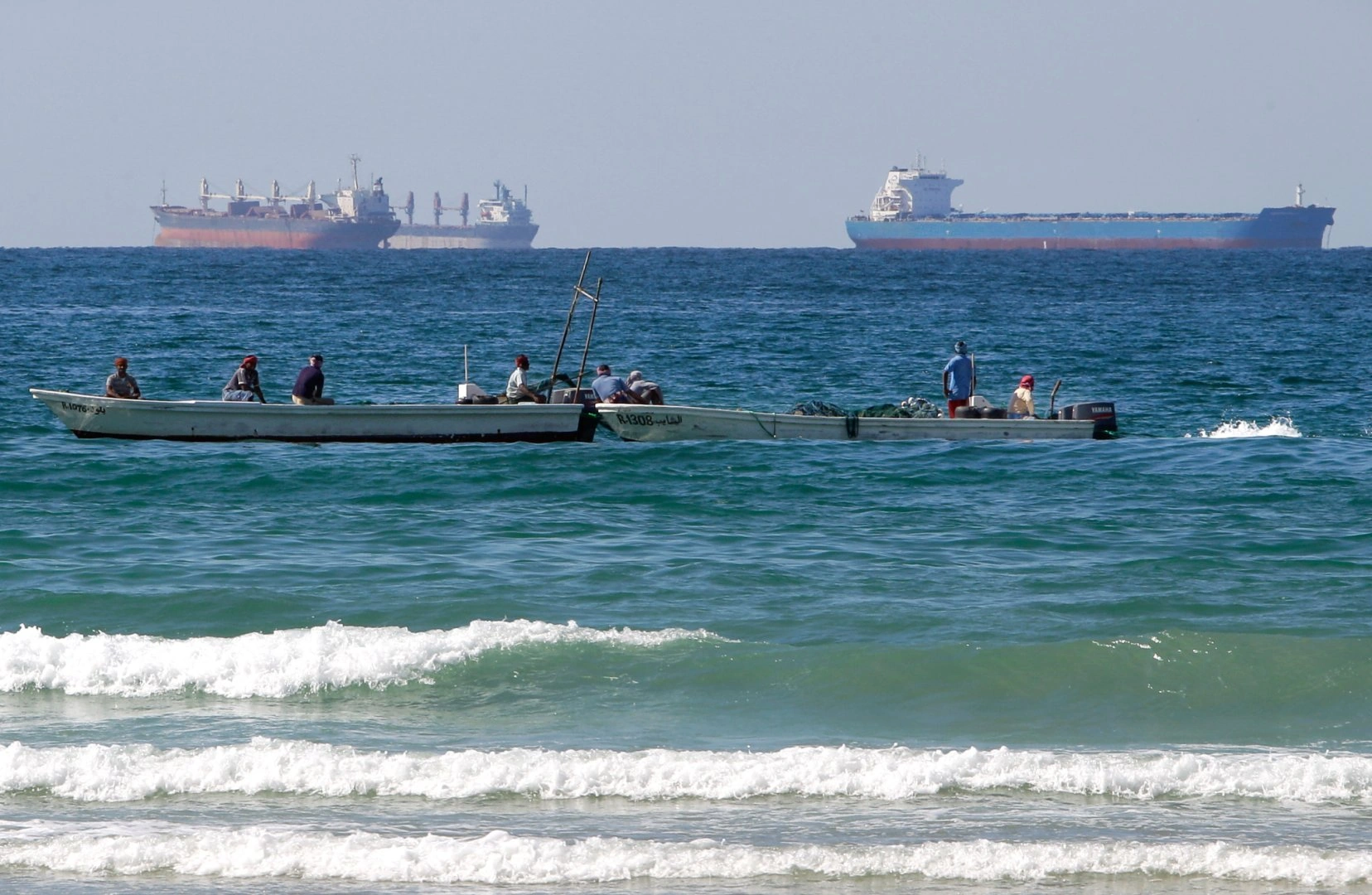
the issues discussed was the restoration of safe navigation through
the Strait of Hormuz, one of the world's most strategically
important maritime chokepoints, following weeks of heightened
military tensions and disruptions to regional shipping. The
waterway carries around one-fifth of global oil consumption and a
significant share of global liquefied natural gas (LNG) trade,
making its uninterrupted operation critical for global shipping,
energy markets, and supply chains.