SHUSHA, Azerbaijan, July 06. The Caucasus has
always been an arena of great power rivalry, stated Professor
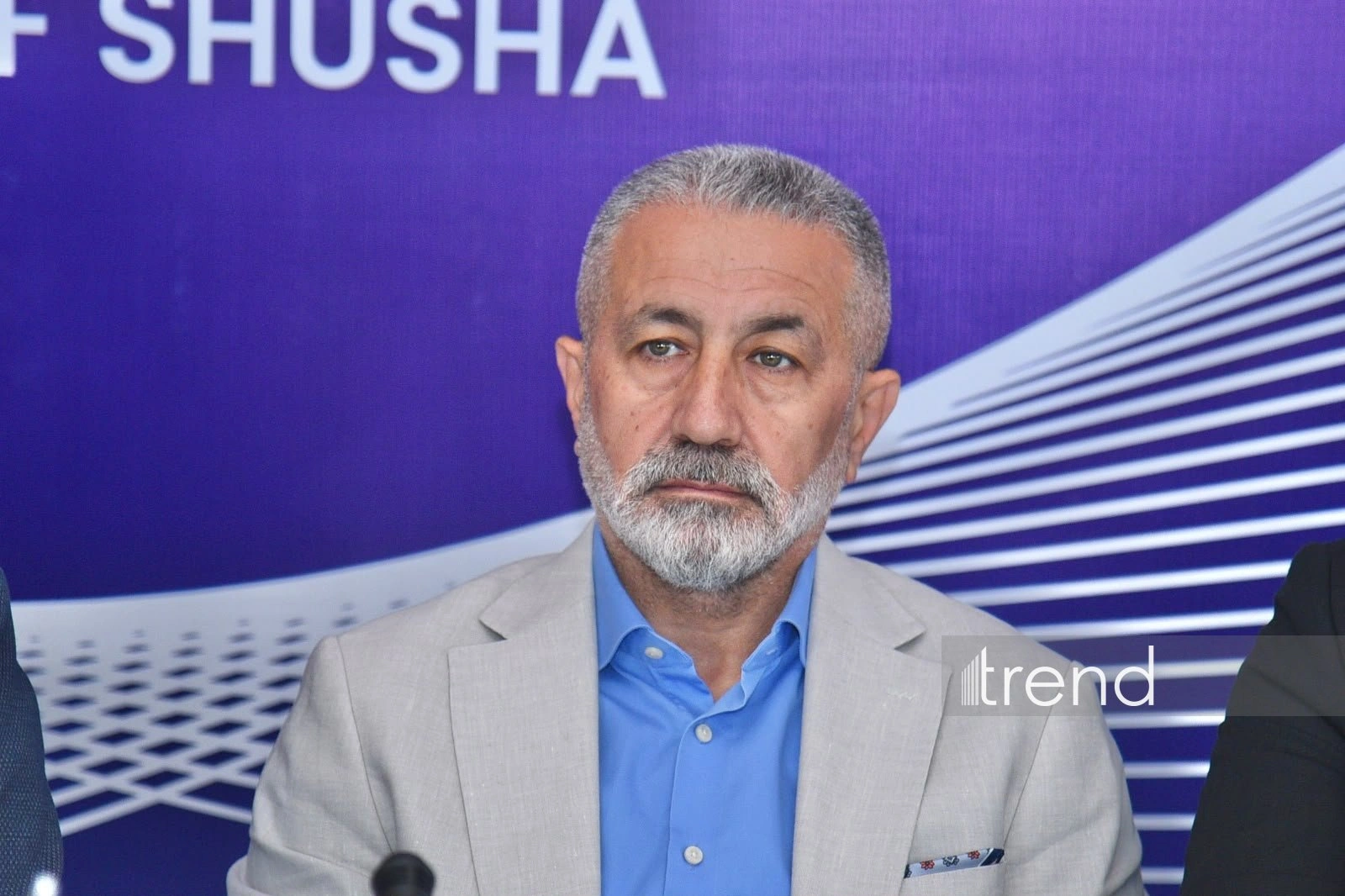
Abdullah Temizkan, head of the Department of Turkic World History
at the Institute of Turkic World Studies at Aegean University in
Turkey, during the international conference "Cultural and Ethnic
Diversity: Lessons of History, Modern Challenges" in Shusha,
Trend correspondent
reports from the event.
"The Caucasus is more than just a geographic region. Throughout
its history, it has remained an arena for great power rivalry. Yet,
it is here that dozens of peoples have managed to preserve their
languages, cultures, and traditional ways of life.
The secret of this resilience lies not only in the mountainous
landscape, but also in a unique way of life shaped by the
inextricable connection between humans and the surrounding nature.
The highlanders of the Caucasus did not seek to subjugate the space
in which they lived; they learned to exist in harmony with it.
Mountains, forests, passes, and rivers became not just part of the
surrounding world, but an integral element of their historical
memory and cultural identity. It is against this backdrop that the
characteristic features of Russian colonial policy in the Caucasus
become especially clear," said Temizkan.
He stated that Russia historically viewed the Caucasus as a
military outpost, seeking to establish itself there, subjugate, and
suppress the local peoples.
"To achieve this, a policy aimed at dividing, pitting, and
isolating them was pursued," he said.
Temizkan also drew attention to the strength of resistance and
the spirit of freedom of the peoples of the Caucasus.
"Freedom is preserved not only on the battlefield, but also
through the preservation of national culture, historical memory,
and space," he said.
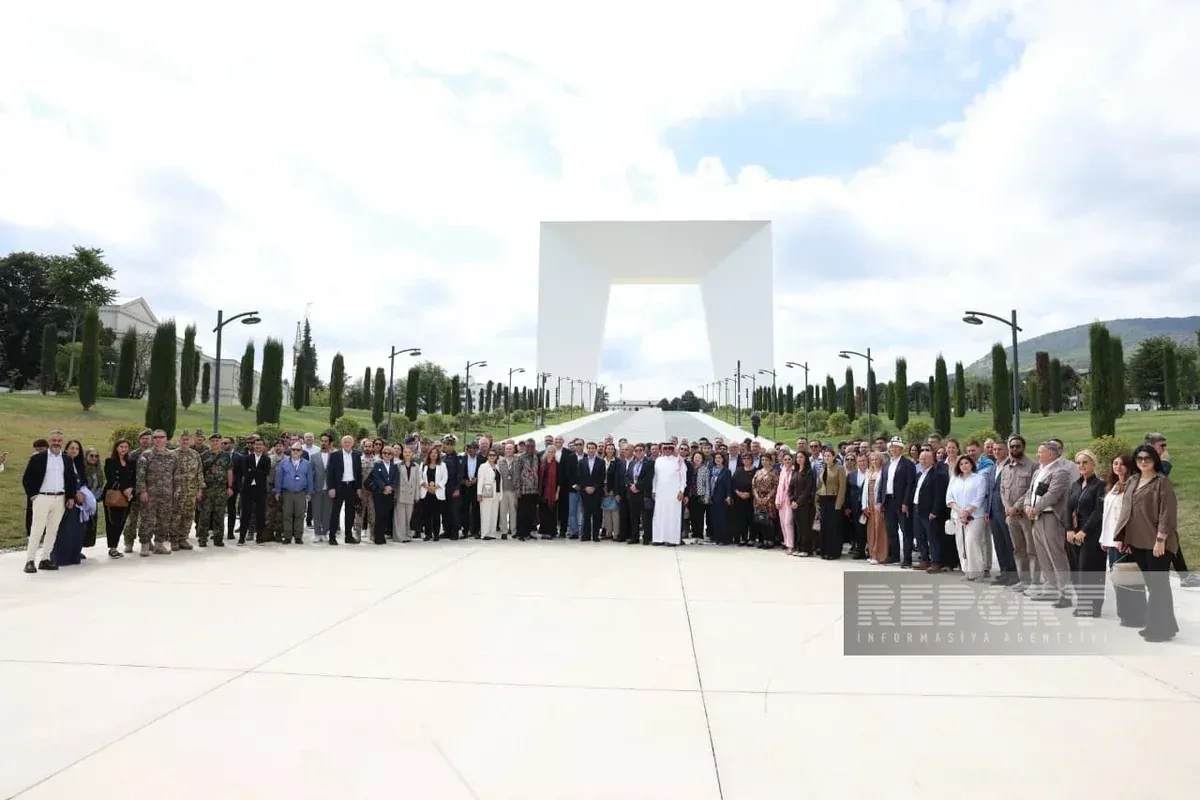
It is worth noting that an international conference on "Cultural
and Ethnic Diversity: Lessons of History, Contemporary Challenges"
is taking place in Shusha.
The event is organized by the Center for Cultural and Ethnic
Diversity in partnership with the Silk Road Public Association for
Cultural and Historical Research.
Representatives from Azerbaijan, the United States, France,
Lithuania, Poland, the Czech Republic, Germany, Israel, Türkiye,
and Georgia are participating in the conference.