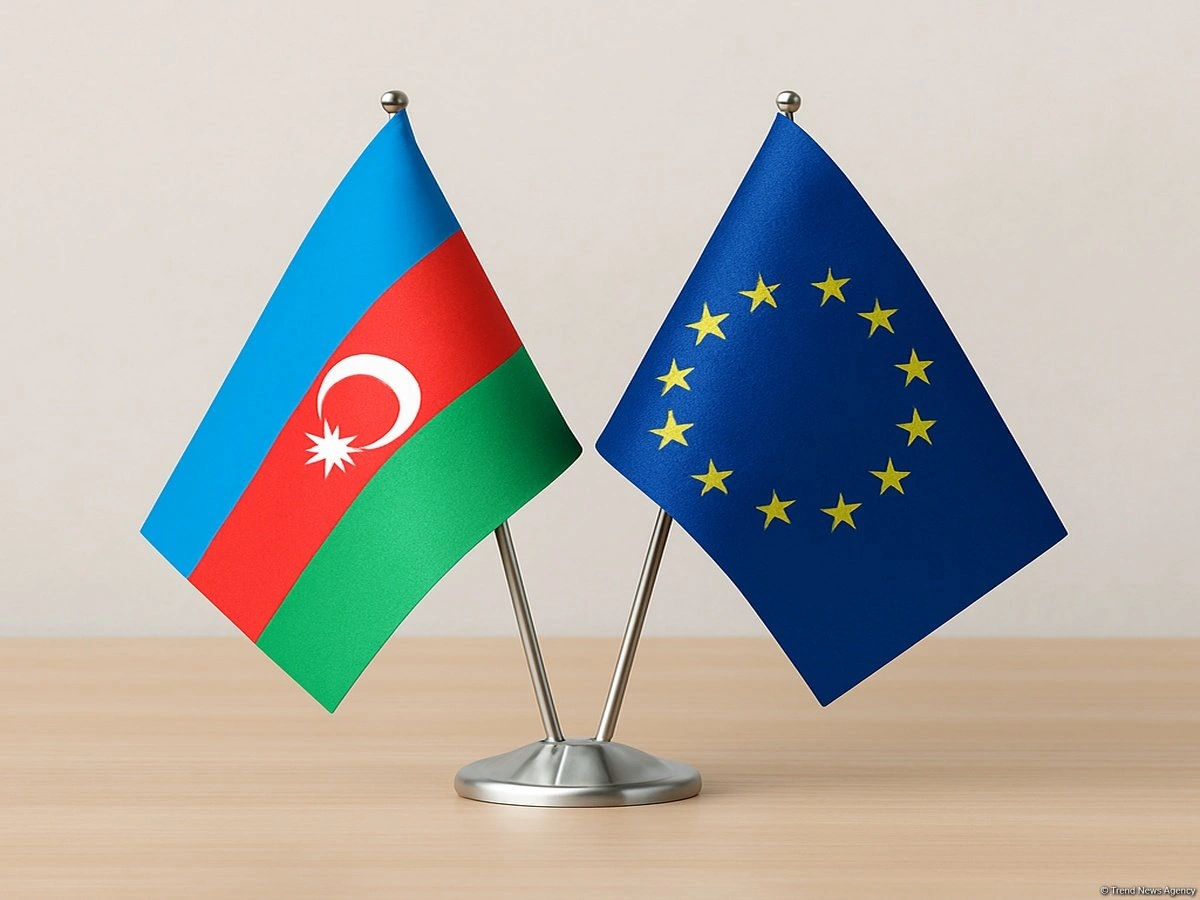
BAKU, Azerbaijan, July 1. Ahead of European
Commission President Ursula von der Leyen's visit to Azerbaijan on
July 1, 2026, it is becoming increasingly evident that Europe views
Azerbaijan as an indispensable energy and strategic partner.
The visit will mark the first trip by the President of the
European Commission to Baku since 2022, when the two sides signed a
Memorandum of Understanding on a strategic energy partnership.
Since then, Europe's energy landscape has undergone a profound
transformation. The post-2022 restructuring of energy supply chains
has reinforced the European Union's need for reliable alternative
suppliers, with Azerbaijan emerging as one of the key pillars of
this evolving energy architecture.
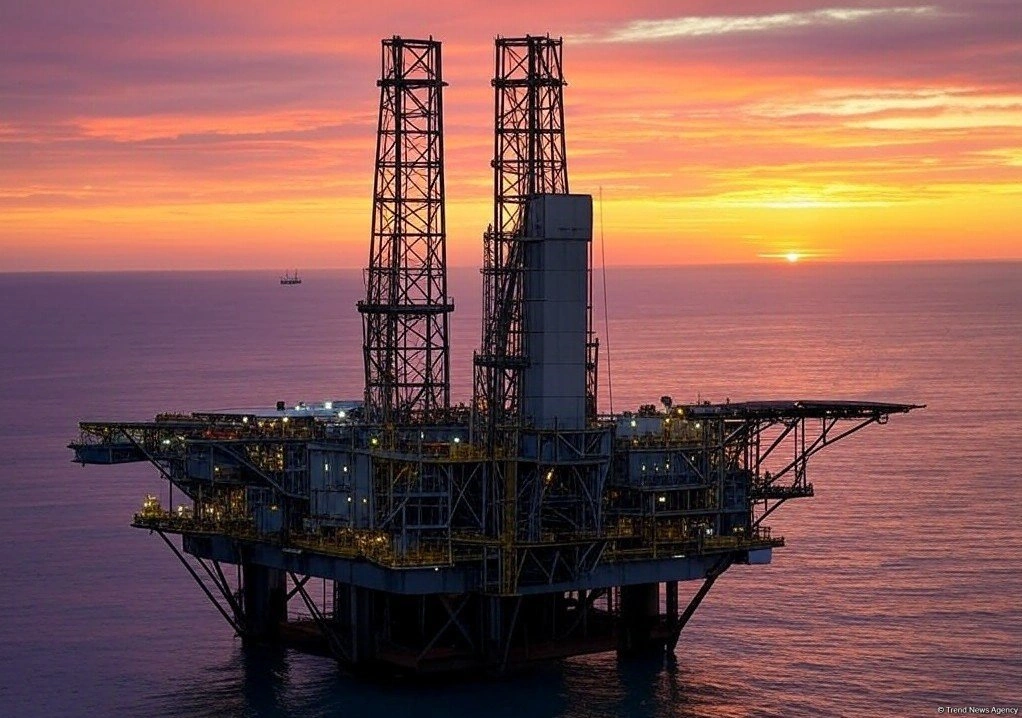
Azerbaijan has already established itself as an important
alternative supplier of natural gas to the European Union, with
exports increasing significantly since 2022. In 2025, the country
exported approximately 25 billion cubic meters of natural gas,
around 13 billion cubic meters of which were delivered to EU member
states—an increase of nearly 60% compared with 2021. Through the
Southern Gas Corridor, including the Trans Adriatic Pipeline (TAP),
Azerbaijani gas currently reaches 12 countries of Europe. Overall,
Azerbaijan supplies gas to 16 countries, 10 of them official
members of the EU, with Germany and Austria among the most recent
destinations.
The 2022 memorandum set a target of raising supplies to the EU
to 20 billion cubic meters by 2027. Azerbaijan has already
increased exports by 56% since 2021 and now covers around 4% of the
EU's gas demand, helping Europe reduce its dependence on Russian
resources and cope with global instability.
As President Ilham Aliyev noted at the opening ceremony of the
31st Baku Energy Forum on June 1, 2026: "Today, it is difficult to
imagine what the European energy market would look like without the
Southern Gas Corridor. As I said, we provide gas supplies to a
growing number of countries. Last year, here at Baku Energy Week, I
reported to the audience that we had 12 recipient countries of
Azerbaijani gas. Today, that number is 16, and 10 of them are
members of the European Union. And the number will definitely grow.
In terms of supplying pipeline gas to different countries and the
geographical reach of those supplies, if you look at that
parameter, we are number one in the world. And we will increase our
gas supplies."
The European Union remains Azerbaijan's largest trading partner,
accounting for roughly 37 to 50% of the country's foreign trade
turnover, and as much as 70% of exports in some years. In the first
half of 2025, trade turnover exceeded $10.4 billion, up 22.6%
year-on-year.
Energy resources form the backbone of Azerbaijan's exports to
the EU, with total volumes exceeding $15 billion in 2025. This has
created a durable interdependence: Europe gains stable supplies,
while Azerbaijan secures investment and long-term contracts. The EU
remains the largest investor in both Azerbaijan's oil and gas
sector and its non-oil economy, while EU4Business programs support
thousands of companies.
"I looked at some economic figures, and this January, 50 percent
of our trade turnover was with the European Union. Last year, it
was a little bit lower, but it really demonstrates that for us, the
European Union is the number one trading partner. And I'm sure that
with the new projects, the new investment opportunities, and with
investments going in two directions, we are also actively investing
in Europe now. Our trade turnover will definitely grow," President
Ilham Aliyev said at a meeting with European Council President
António Costa in March 2026.
Azerbaijan is also strengthening its position as a key transit
hub for Eurasia. The Middle Corridor links Europe with Central Asia
and China while bypassing traditional northern routes, reducing
logistical risks and strengthening the resilience of supply
chains.
Baku plays a central role thanks to its developed transport
infrastructure, including the Port of Baku and the
Baku–Tbilisi–Kars railway, as well as its strategic connectivity
with Türkiye and Georgia. Through its Global Gateway initiative,
the EU is investing in the corridor's development, viewing it as a
strategic alternative for trade and energy.
A new track is developing in parallel: the export of renewable
energy. Azerbaijan is advancing the Caspian Sea–Black Sea–Europe
Green Energy Corridor and the Trans-Caspian Green Energy Corridor
together with Georgia, Romania, Hungary, Kazakhstan, and
Uzbekistan.
The country has designated Karabakh, East Zangezur, and
Nakhchivan as green energy zones and is expanding its solar and
wind power projects - efforts directly aligned with the EU's
climate goals and its REPowerEU strategy.
Ursula von der Leyen's visit reflects a reality that has already
taken shape: Azerbaijan has become a systemic element of Europe's
energy security. It supplies gas, helps shape new transport routes,
and is becoming part of the EU's future green energy
architecture.
For the European Union, Azerbaijan is one of the important
partners in diversifying energy sources and supply routes. For
Azerbaijan, the development of this cooperation contributes to
strengthening its role as a key energy and transport hub between
Europe and Asia.