AGHJABADI, Azerbaijan, June 16. Global climate
change, irregular precipitation patterns, and rising demand for
water resources make the adoption of new approaches to water
management necessary, according to an Azerbaijani official,
Trend's Karabakh
bureau reports from the event.
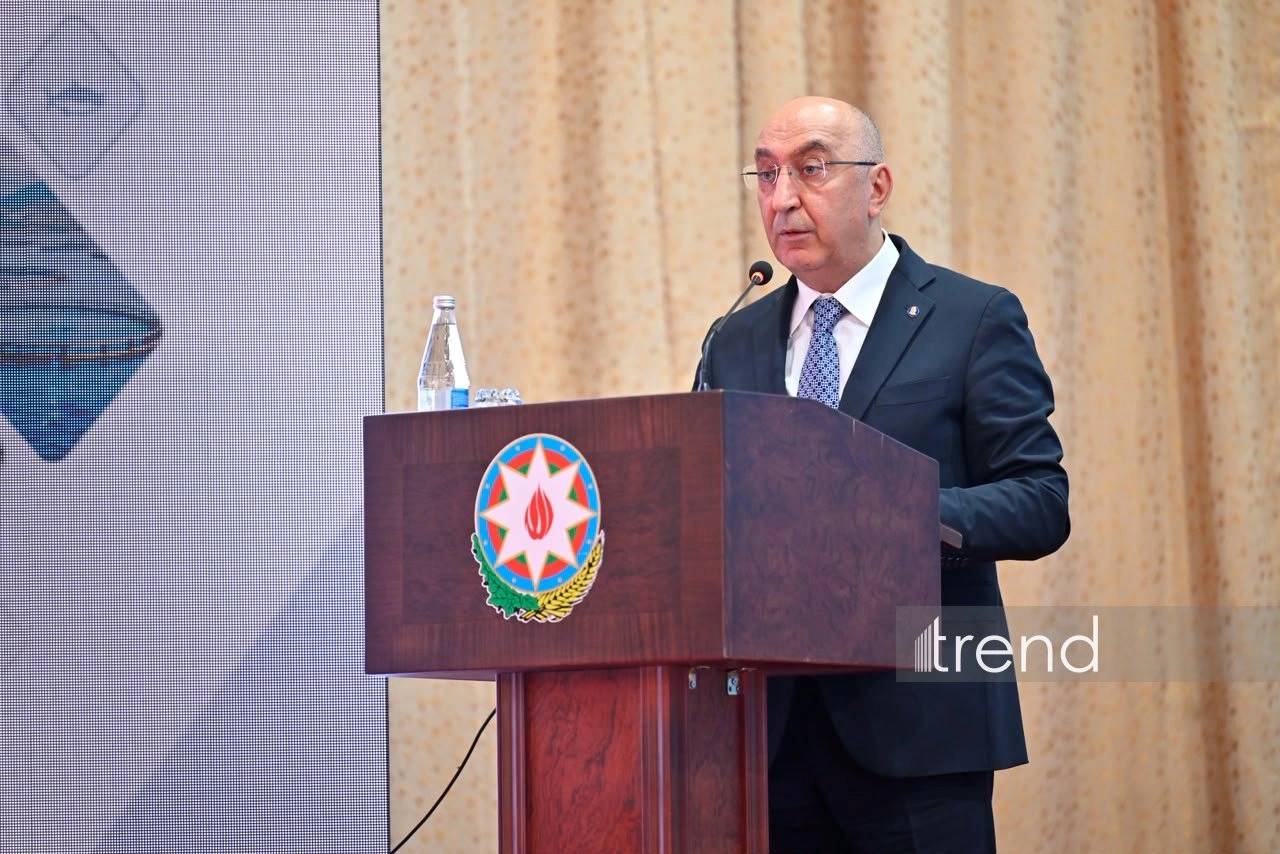
This was stated by Ilham Bayramov, Deputy Chairman of the
Azerbaijan State Water Resources Agency (ADSEA), at a regional
meeting in the Aghjabadi district dedicated to discussions on a
state program for the development of agricultural, fisheries, and
aquaculture production for 2026–2030.
According to Bayramov, meeting growing demand for drinking and
irrigation water has been a key priority of Azerbaijan’s state
policy in recent years.
He said that, under the direct initiatives of President Ilham
Aliyev, significant state funding has been allocated to the water
sector over the past 20 years, resulting in expanded infrastructure
and improved water resource capacity.
According to Bayramov, major water management facilities in the
region include the Karabakh irrigation canal, the Bash Mil canal,
the Yukhari Mil canal, and the Tartar River irrigation system. He
said the efficient use of these systems is essential for ensuring
stable irrigation across large agricultural areas, including
Aghjabadi, Aghdam, Barda, Fuzuli, and Tartar districts.
He emphasized that improving irrigation infrastructure,
rehabilitating canals, reducing water losses, and ensuring timely
delivery of irrigation water are critical for realizing the
agricultural potential of the Karabakh economic region.
According to him, the Karabakh region has strong agricultural
development potential, with capacity in grain production, cotton
farming, livestock, poultry, perennial crops, and household
farming, all of which depend on reliable water supply.
Bayramov also said that integrating irrigation infrastructure
data into geographic information systems (GIS) and digital
management platforms can improve water balance assessment,
irrigation planning, and operational efficiency.
According to him, water distribution to farmers is carried out
through Water User Associations, which should operate on a
transparent, accountable, and fair basis to ensure proper
allocation of resources.
He added that modern and sustainable irrigation systems remain a
key factor in agricultural development.