BAKU, Azerbaijan, June 16. Member countries of
the Organization of Islamic Cooperation (OIC) should more actively
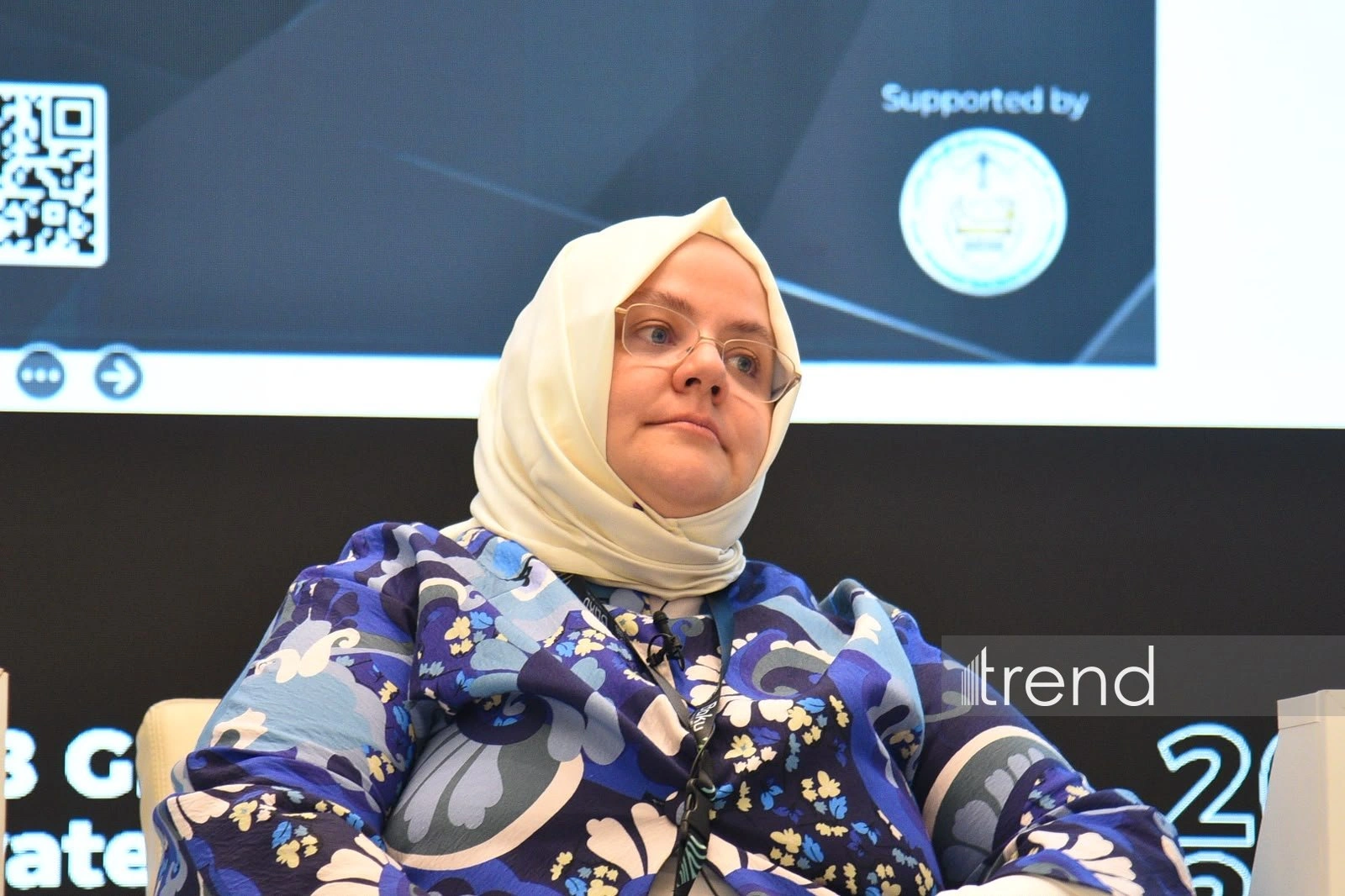
harness the halal economy potential, Former Minister of Türkiye,
Director General of the Statistical, Economic and Social Research
and Training Center for Islamic Countries (SESRIC) of the
Organization of Islamic Cooperation (OIC) Zehra Zümrüt Selçuk said
at the 14th Islamic Development Group (IsDB) Private Sector Forum
held in Baku, Trend's correspondent reports from the event.
She noted that member countries of OIC need to step up
coordination and integration to turn the rapidly growing demand for
halal products into new investments, export opportunities, and
sustainable economic development.
According to her, regional cooperation institutions can play a
strategic role in developing the halal economy ecosystem within the
OIC region.
"We are responsible for supporting our member states in
transforming existing potential into coordinated actions, new
partnerships, and tangible results in sustainable development.
Regional cooperation institutions can play a key role in deepening
the integration of ecosystems among OIC countries," she said.
Selçuk noted that the halal economy today represents a
multi-trillion-dollar ecosystem encompassing Islamic finance, halal
food production and trade, the pharmaceutical industry, logistics,
and more.
The head of SESRIC also emphasized the special role of OIC
countries in developing this sector.
According to her, the organization's member states account for
approximately 81% of the world's Muslim population, and the region
itself accounts for approximately 80 percent of the global halal
market.
"This demographic and economic base not only ensures sustainable
demand but also creates significant opportunities for industrial
development, value chain integration, and expanded regional
cooperation," Selçuk said.
She emphasized that the continued growth of the halal economy
will depend on countries' ability to establish closer cooperation
in trade, investment, labor markets, product standardization and
certification, and support for small and medium-sized
enterprises.
"Our task is to transform existing demand into greater
production capacity, increased exports, investment, quality job
creation, and deeper regional integration. The future of the halal
economy depends on how effectively we can integrate these elements
into a unified and coherent ecosystem," she added.