BAKU, Azerbaijan, June 12. Azerbaijan will
accede to the “International Convention on the Control of Harmful
Pollution Systems on Ships,” Trend's correspondent reports from the event.
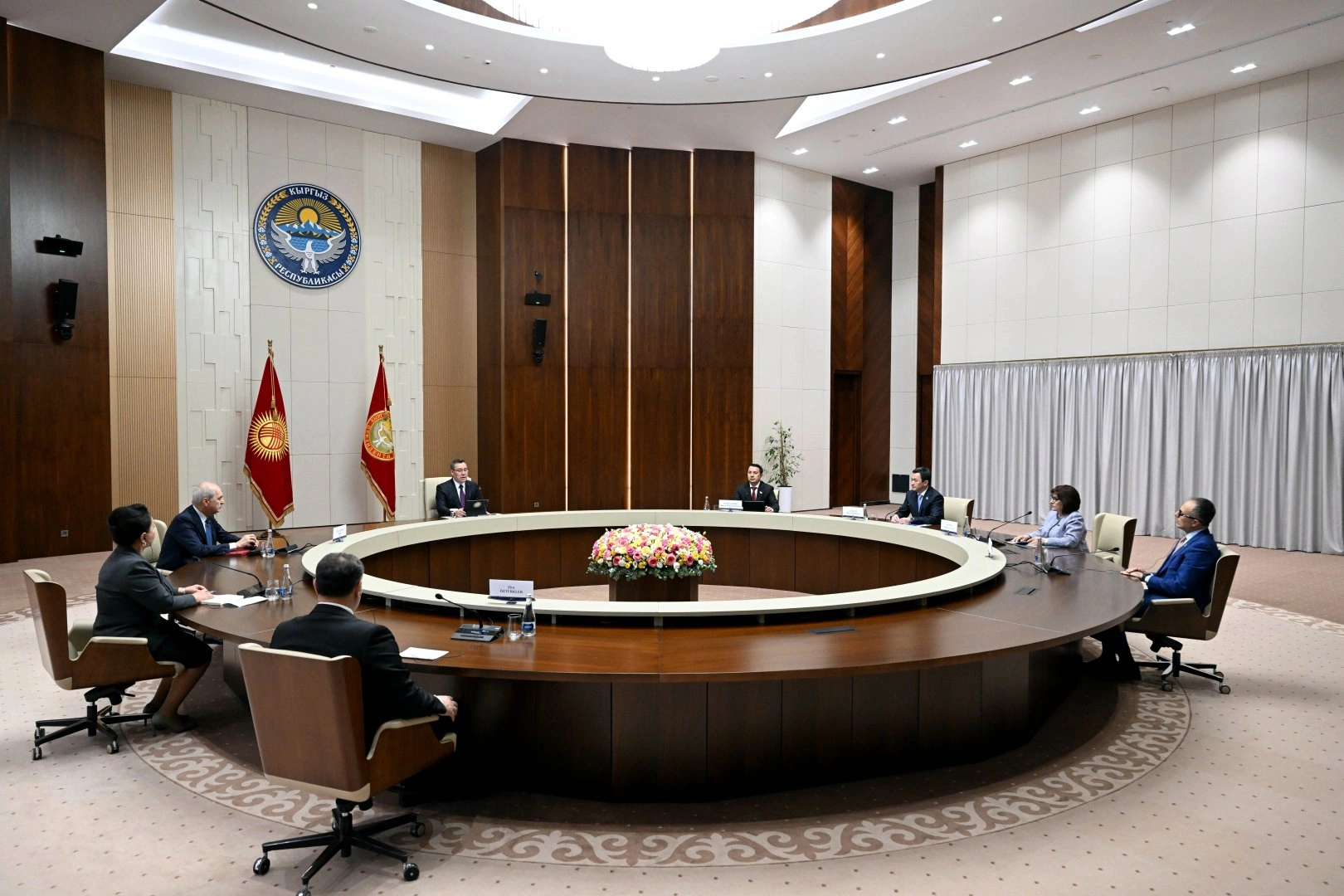
This issue was discussed at today’s parliamentary session.
Meanwhile, it was noted that the International Convention on the
Control of Harmful Pollution Control Systems on Ships was signed in
London on October 5, 2001.
The purpose of the Convention is to prevent the harmful effects
of pollution control systems used on ships on the marine
environment and human health, to establish an international control
mechanism in this area, and to promote the use of more
environmentally safe systems.
The Convention establishes obligations for States Parties to
restrict or prohibit the use of harmful pollution control systems,
to inspect and certify ships, and to carry out monitoring and
exchange information in this area.
The document imposes restrictions on the use of certain toxic
substances used on ships, in particular organotin compounds used as
biocides. At the same time, control measures are established
regarding the use of the substance “Sibutrin.” The annexes to the
Convention contain prohibitions, transitional provisions, and
mechanisms for monitoring the implementation of these
provisions.
Under the Convention, certain categories of ships engaged in
international voyages are required to obtain the relevant
international certificates and declarations. Compliance of ships
with the Convention’s requirements is determined through
inspections conducted by the competent authorities of the
Contracting Parties or by recognized organizations.
In addition, the Convention establishes scientific and technical
mechanisms for assessing harmful substances and provides for
relevant procedures and measures for cooperation within the
framework of the International Maritime Organization (IMO).
The Convention serves to protect the marine environment,
safeguard human health, introduce uniform environmental safety
standards in the field of international shipping, and strengthen
cooperation among states.
The Convention consists of 21 articles and 4 annexes.
The annexes define measures for monitoring pollution control
systems, a list of prohibited substances, technical and scientific
criteria for assessing these substances, as well as forms for
international certificates and declarations. However, it also
outlines procedures for the inspection and certification of
ships.
The draft law on accession to the “International Convention for
the Control of Harmful Pollution from Ships” was put to a vote
following discussions and adopted in a first reading.