BAKU, Azerbaijan, June 11. One of the most
important ongoing strategic projects in Azerbaijan is the
construction of the Shirvan irrigation canal, Deputy Chairman of
the Azerbaijan State Water Resources Agency Ilham Bayramov said
during a public hearing held at the Parliament's Agrarian Policy
Committee about the tasks arising from the "State Program for the
Development of Agricultural Production and Processing, Fisheries,
and Aquaculture for 2026–2030", Trend's correspondent reports from the
event.
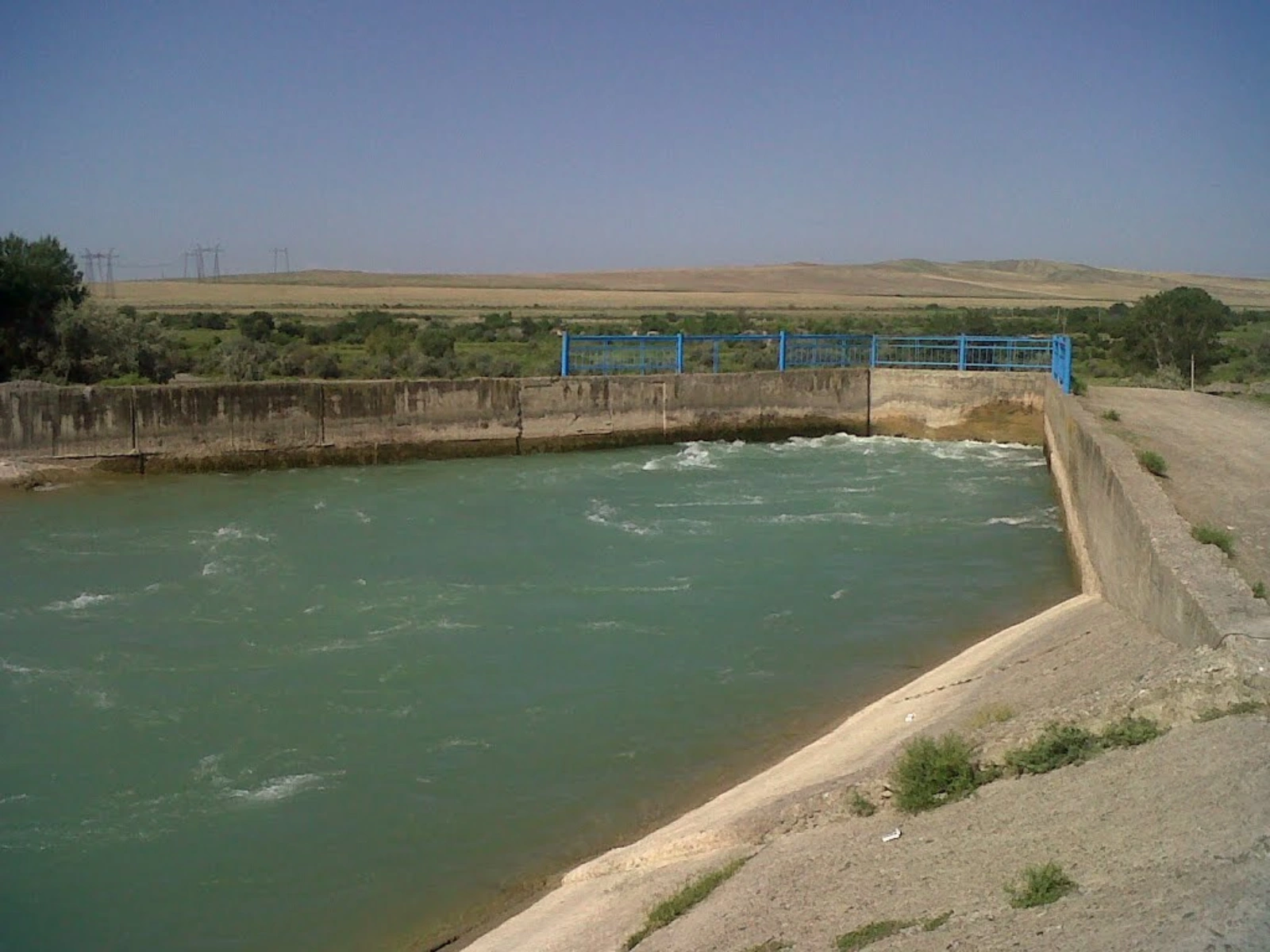
"The length of the canal is 204.15 kilometers and will serve to
irrigate approximately 228,000 hectares of land. Within the
framework of this project, water supply to 112,000 hectares of
existing arable land will be improved, and at the same time, 106
thousand hectares of new land will be brought into agricultural
circulation," he explained.
According to him, during the past 20 years, 5 new reservoirs
with a total capacity of 557 million cubic meters have been built,
and 5 reservoirs with a total capacity of 37 million cubic meters
have been overhauled.
The deputy chairman noted that at the same time, irrigation
canals with a length of more than 4,700 kilometers have been
reconstructed, collector-drainage networks have been restored,
thousands of kilometers of pipelines have been laid, and up to
4,000 new subartesian wells have been drilled.
He reminded that recently, the Zabukh reservoir with a capacity
of 26.8 million cubic meters has been commissioned, and the
Sugovushan, Khachinchay, and Kondalanchay reservoirs with a total
volume of 44.3 million cubic meters have been overhauled and
rehabilitated.
Moreover, according to the official, a 51.6-kilometer main
irrigation line has been laid, through which a total of 12,000
hectares of arable land in the Gubadli and Zangilan districts have
been improved with water supply.
Bayramov noted that according to the orders submitted for 2026,
it's projected to irrigate 1.56 billion hectares of land, and it's
planned to create 6.8 billion cubic meters of water for this. The
official clarified that 52% of this volume will be directed to
water supply for grain and fodder crops, and 48% to cotton growing,
vegetable growing, melon growing, perennial crops, and other
agricultural areas.
He also said that work is currently underway to combine
geographical data of irrigation canals, collector-drainage
networks, and other hydrotechnical facilities on a single digital
platform.
This will allow for more correct planning of irrigation regimes,
fair distribution of water resources, and more efficient
implementation of irrigation schedules in the future, added the
official.