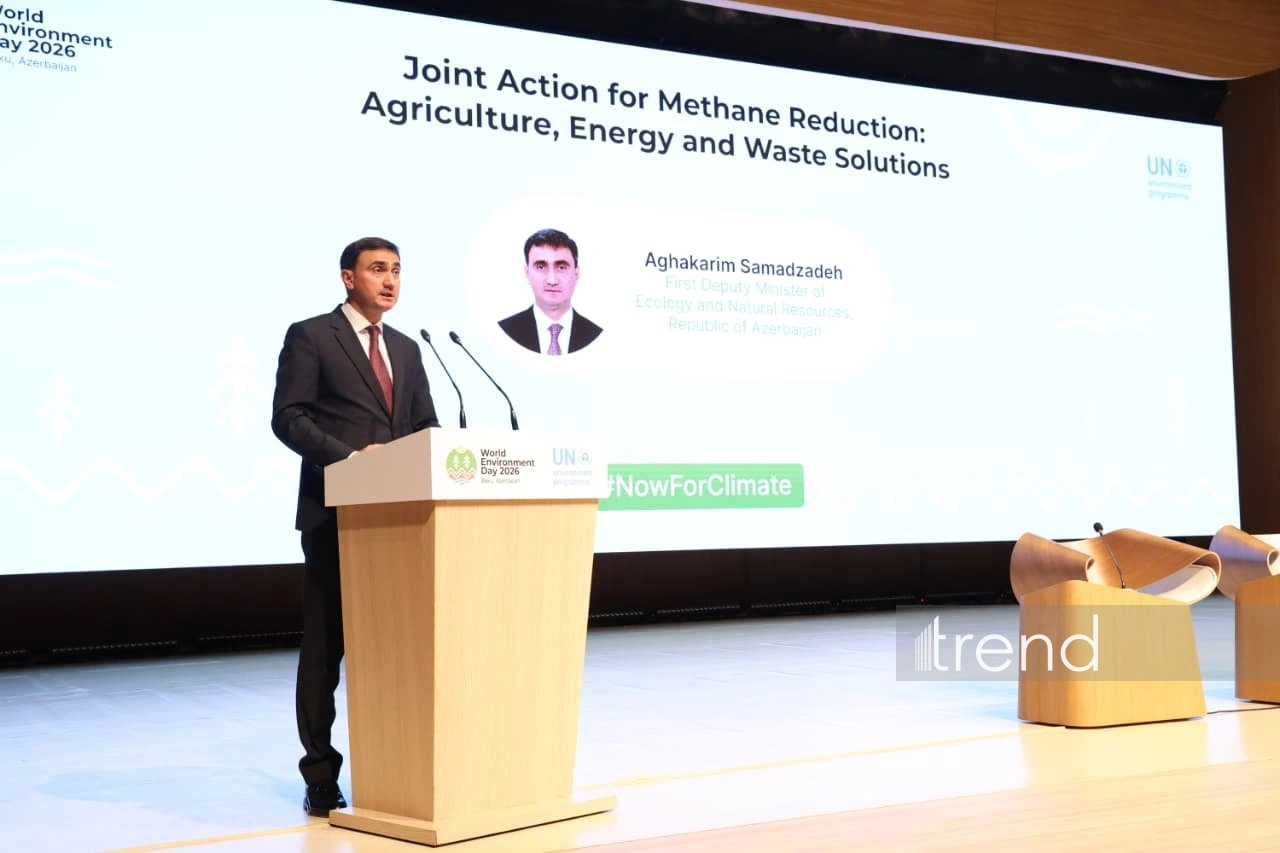
BAKU, Azerbaijan, June 5. An event titled
"Joint Action for Methane Reduction: Agriculture, Energy and Waste
Solutions" has been held as part of the international conference
dedicated to World Environment Day (WED), Trend reports.
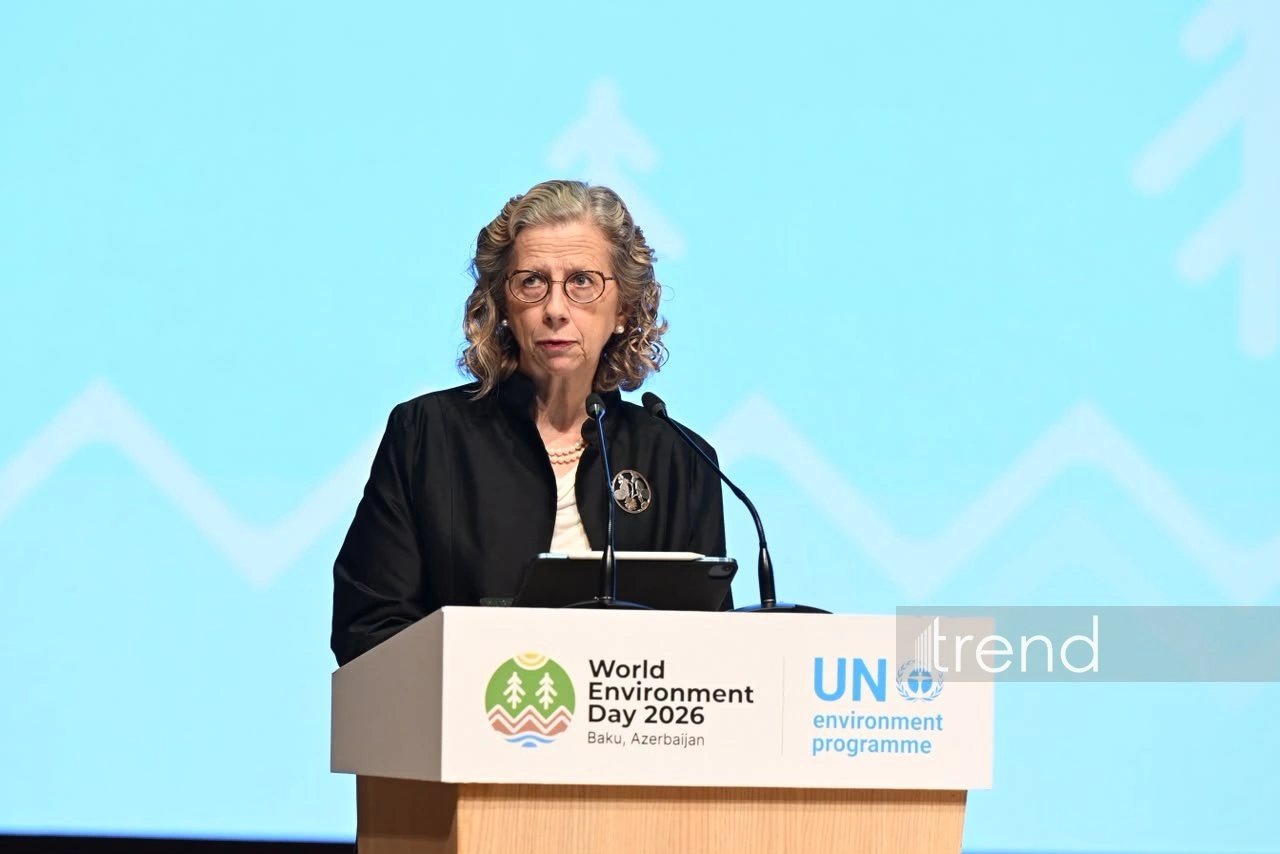
Executive Director of the United Nations Environment Program
(UNEP), Inger Andersen, announced in her speech that the risk of
global warming reaching 1.5°C is a serious issue.
According to her, the situation with regard to reducing methane
emissions remains critical.
"Global methane commitments and the scenario of a temperature
increase of 2.5°C by 2050 are of great concern. These processes
have a serious impact on public health, agriculture, and the
increase in respiratory diseases, especially among children.
Methane emissions are one of the factors that harm agriculture the
most. However, by reducing these emissions, it's possible to save
about $330 billion. This is considered one of the lowest-cost and
most effective climate measures.
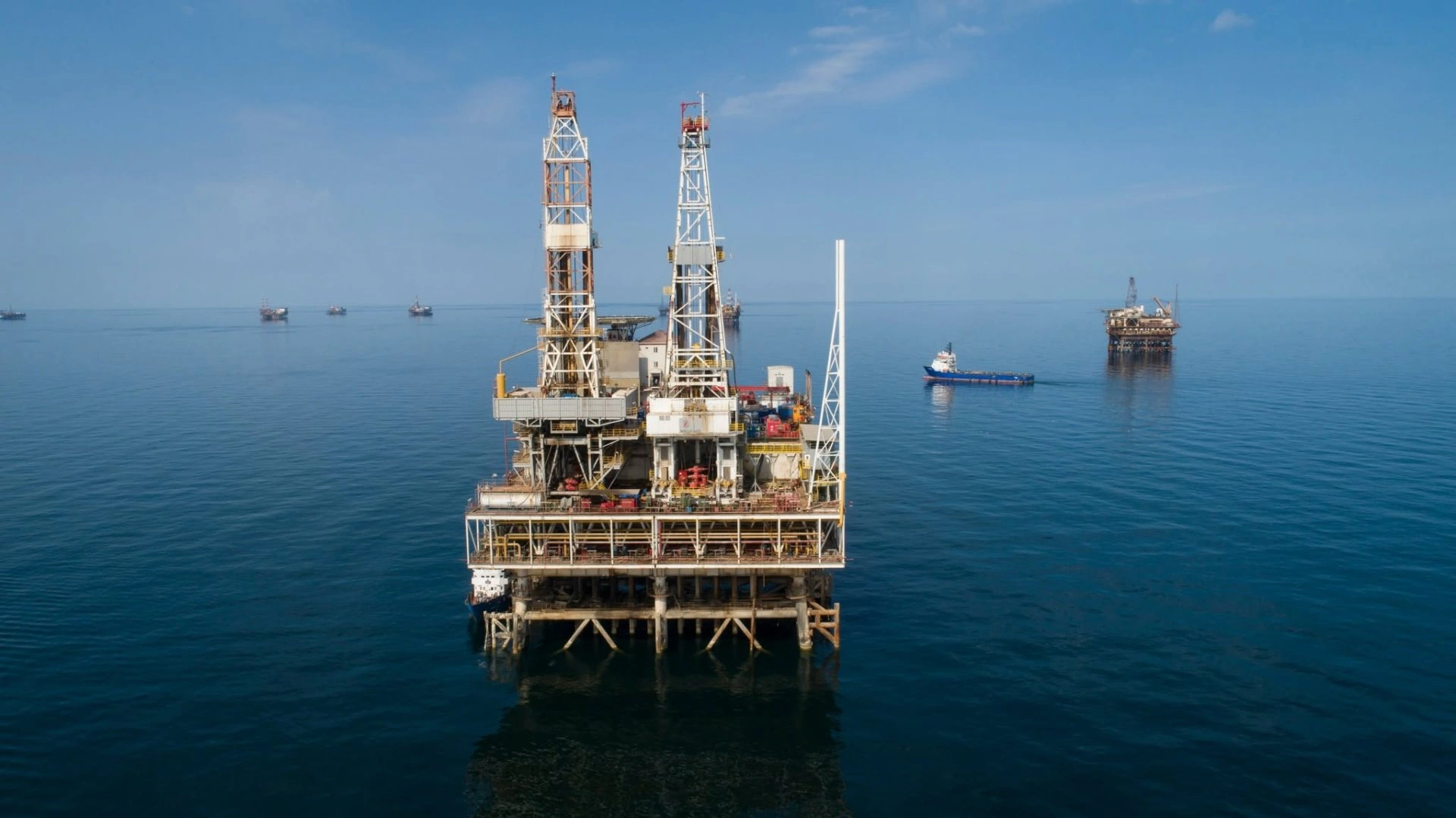
In some cases, in the oil and gas sector, additional costs are
not needed to reduce methane emissions. Methane gas can be managed
in more efficient and controlled ways instead of being flared.
Waste management also plays a very important role in this area.
About 5,000 warnings about methane leaks and emissions have already
been recorded through the satellite monitoring network.
As many as 150 companies, including Azerbaijani companies, are
active in the oil production sector. Moreover, 75 methane roadmaps
have been developed within the framework of the UNEP 'clean air'
coalition. It's also planned to expand regional organic waste
management and processing systems in Azerbaijan," she added.
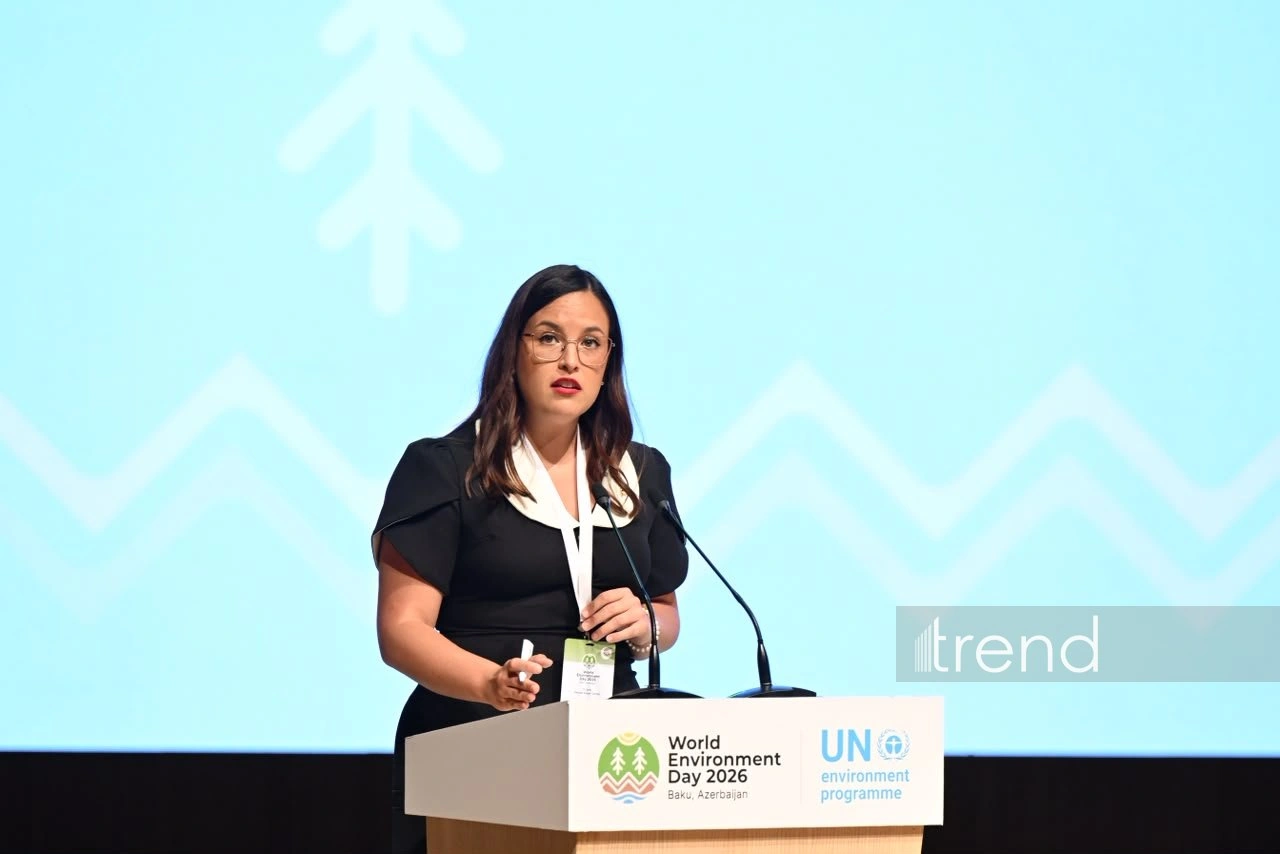
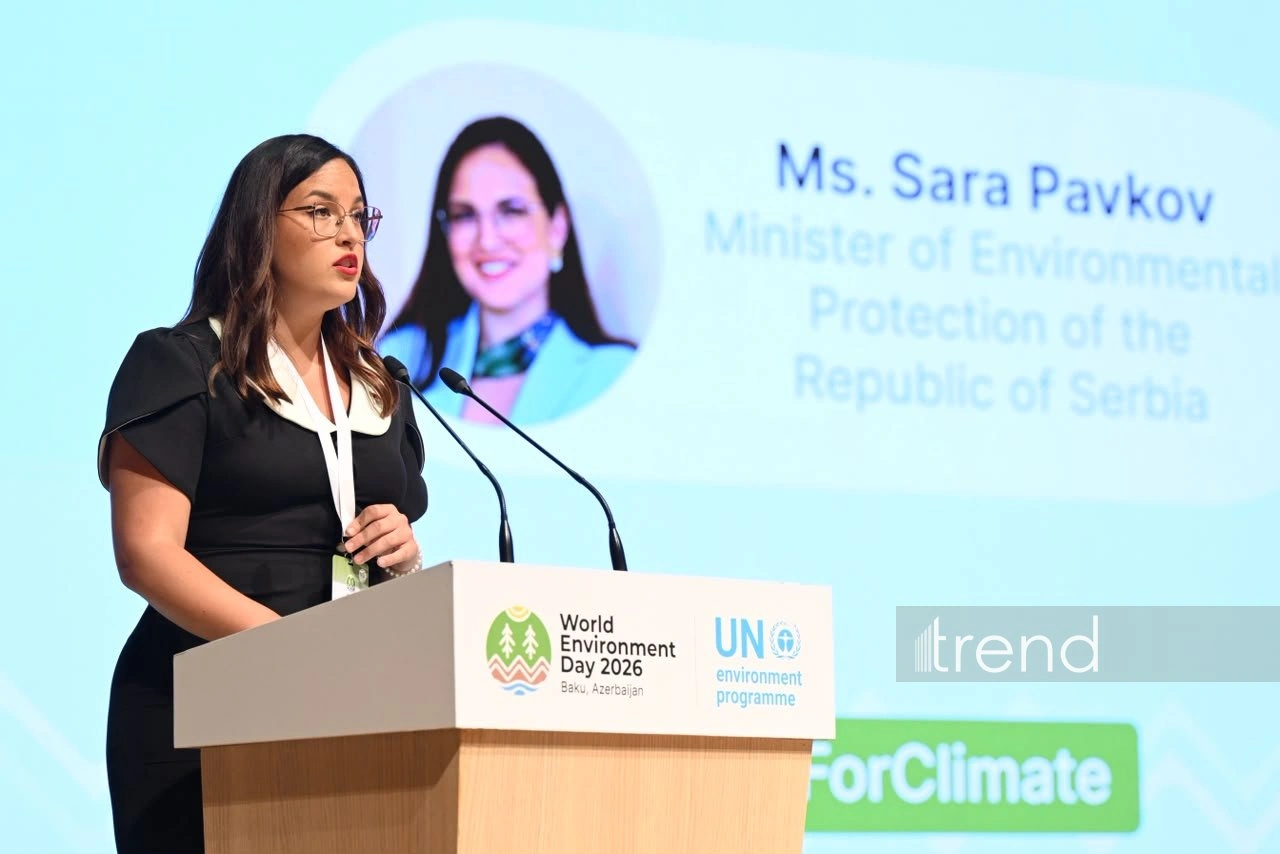
Serbian Minister of Environmental Protection Sara Pavkov
emphasized in her speech that Serbia considers methane gas
reduction a priority.
"The Serbian government, along with mitigation measures, is
taking global methane targets as a basis. Measures related to
non-renewable energy are being continued. Serbia is trying to
strengthen its waste management system and bring it up to European
Union standards," she noted.
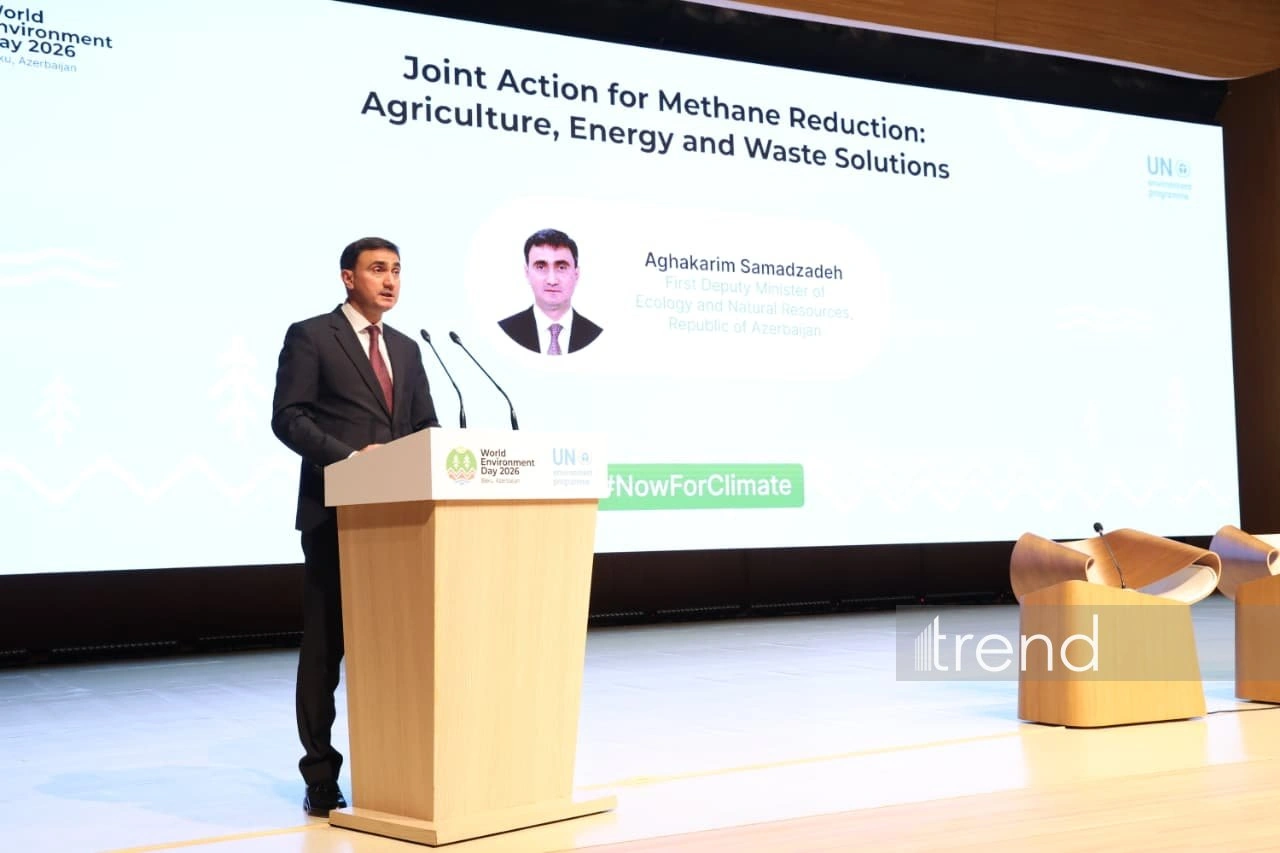
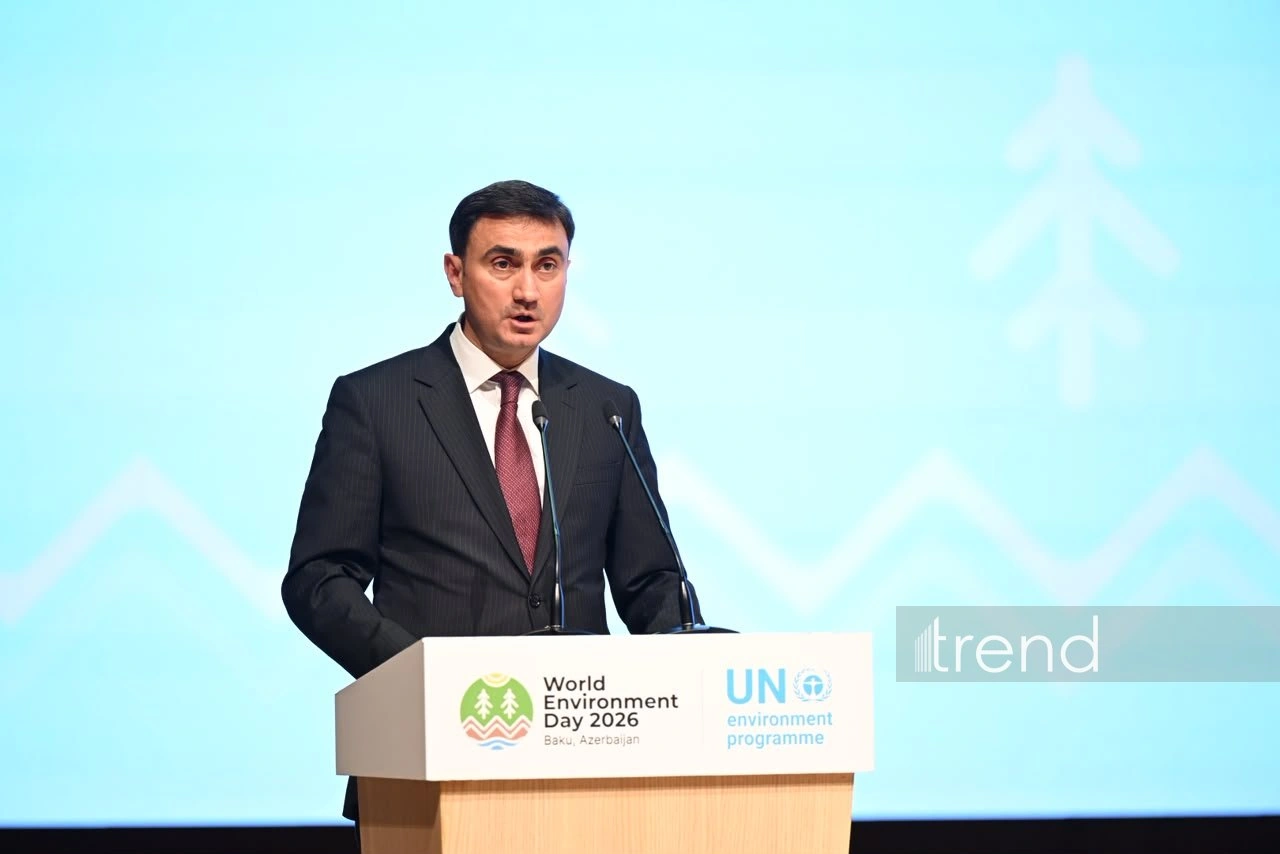
Meanwhile, First Deputy Minister of Ecology and Natural
Resources of Azerbaijan, Aghakarim Samadzade, pointed out that
Azerbaijan understands that the development of the energy sector
and environmental protection must go hand in hand, in parallel.
"These two priorities complement each other and form the basis
of sustainable development. We have committed to reducing methane
emissions by 30% by 2030. Currently, 136 countries have joined this
call and, acting together, can achieve a reduction in global
methane emissions.
"Targeting methane emissions in the oil and gas sector and
accelerating the green energy transition are priorities. The goal
is to build a cleaner and more sustainable future. By reducing
methane emissions, environmental challenges can also be turned into
economic opportunities and benefits," he noted.
The event continued with a panel discussion.