BAKU, Azerbaijan, June 4. A side event held on
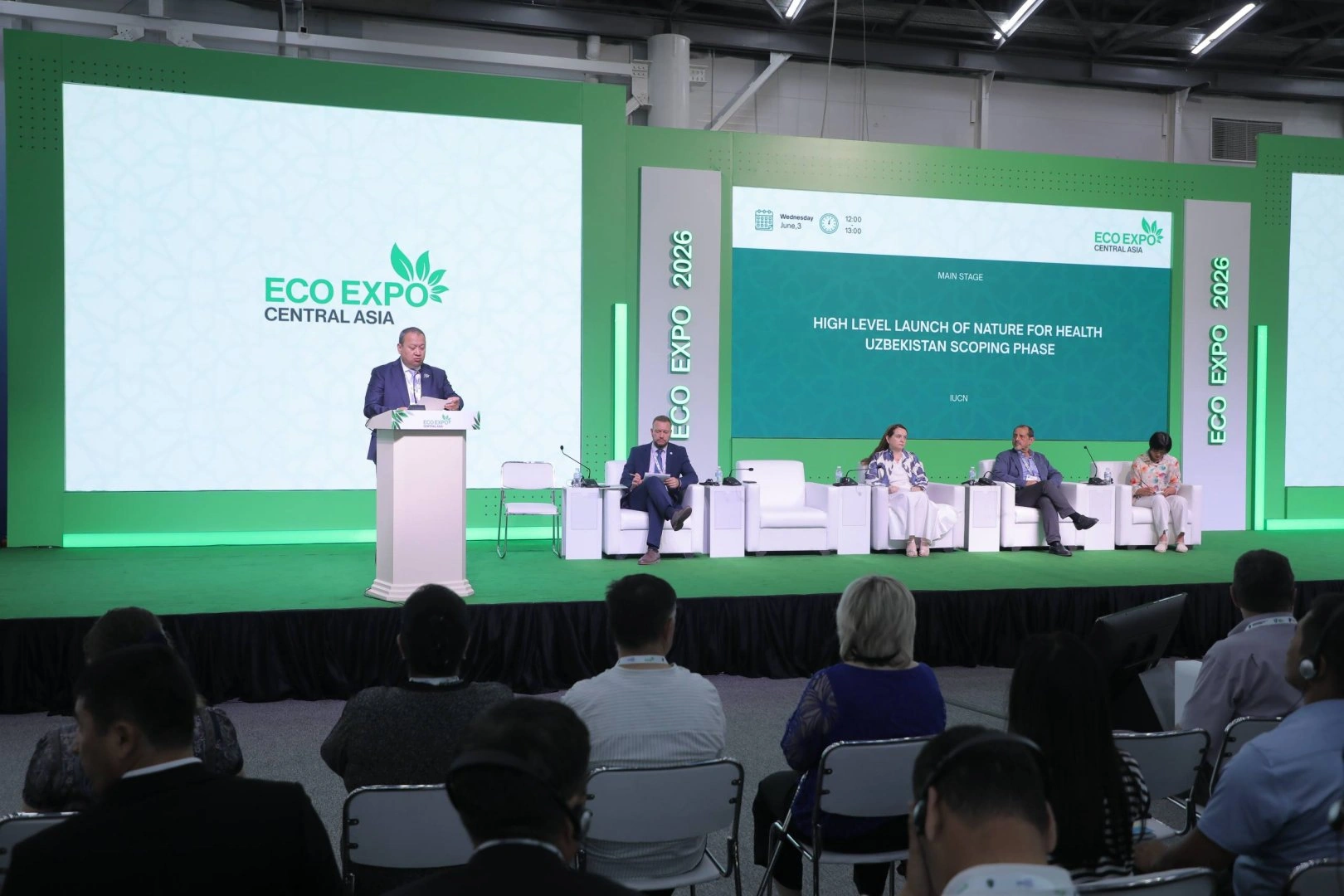
the margins of Eco Expo Central Asia 2026 brought together
policymakers, international organizations, and experts to discuss
climate-resilient infrastructure financing, nature-based solutions
(NbS), pilot project development, and regional cooperation
mechanisms, while also outlining next steps for scaling investment
and implementation across Central Asia, Trend reports via the National Committee on
Ecology and Climate Change.
The event, titled “Grant Opportunities for Enhancing
Infrastructure Resilience: Italian NBS-IA Initiative,” focused on
integrating ecosystem-based approaches into infrastructure
development and identifying practical funding pathways for climate
adaptation projects in the region. Participants also reviewed
criteria for project selection, application procedures, and
opportunities to align regional programs with international
financing initiatives.
During the session, Zhengzheng Qu, UNEP Programme Manager,
presented the Nature-Based Solutions Innovation Accelerator
(NBS-IA), implemented under Italy’s Ministry of Environment and
Energy Security in partnership with UNEP and the OECD.
The initiative aims to support the development and deployment of
innovative nature-based solutions in developing and emerging
economies, with a focus on strengthening the resilience of critical
infrastructure systems.
Speakers emphasized that Central Asia faces increasing
climate-related pressures, including droughts, floods, glacial
melt, and desertification, all of which directly affect transport,
water, and energy infrastructure.
Participants discussed the potential of nature-based solutions
using ecosystems such as forests, wetlands, and grasslands to
reduce climate risks, enhance infrastructure resilience, and
protect biodiversity. They also examined synergies between the
NBS-IA initiative and existing regional climate and infrastructure
programs.
The discussions resulted in a shared understanding of priority
areas for cooperation, including the development of pilot projects,
improved coordination on funding access, and the establishment of
stronger regional partnerships to scale up successful nature-based
solutions across Central Asia.
The side event ultimately served as a platform for advancing
practical cooperation between governments, international financial
institutions, researchers, and civil society on climate adaptation
and sustainable infrastructure development.