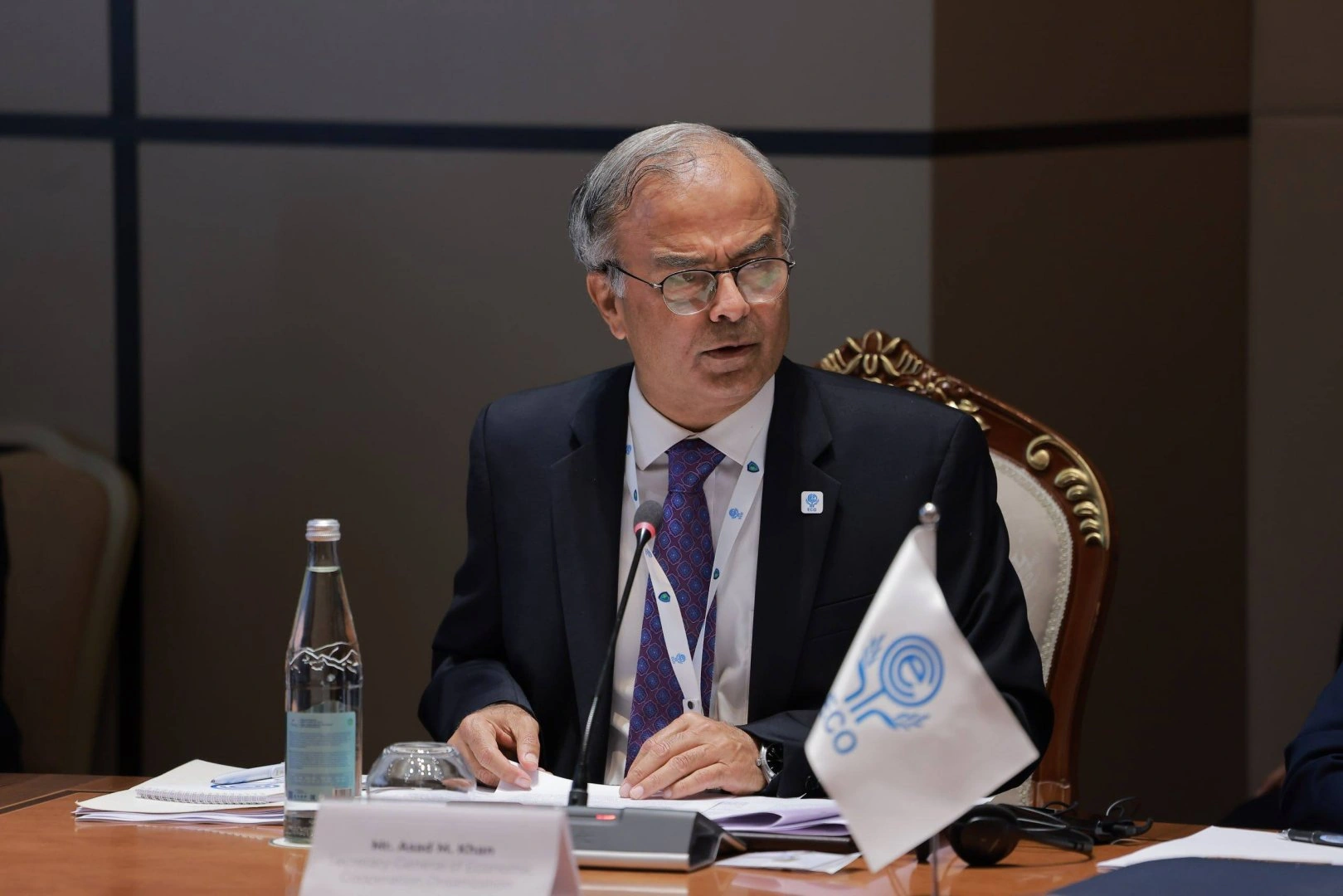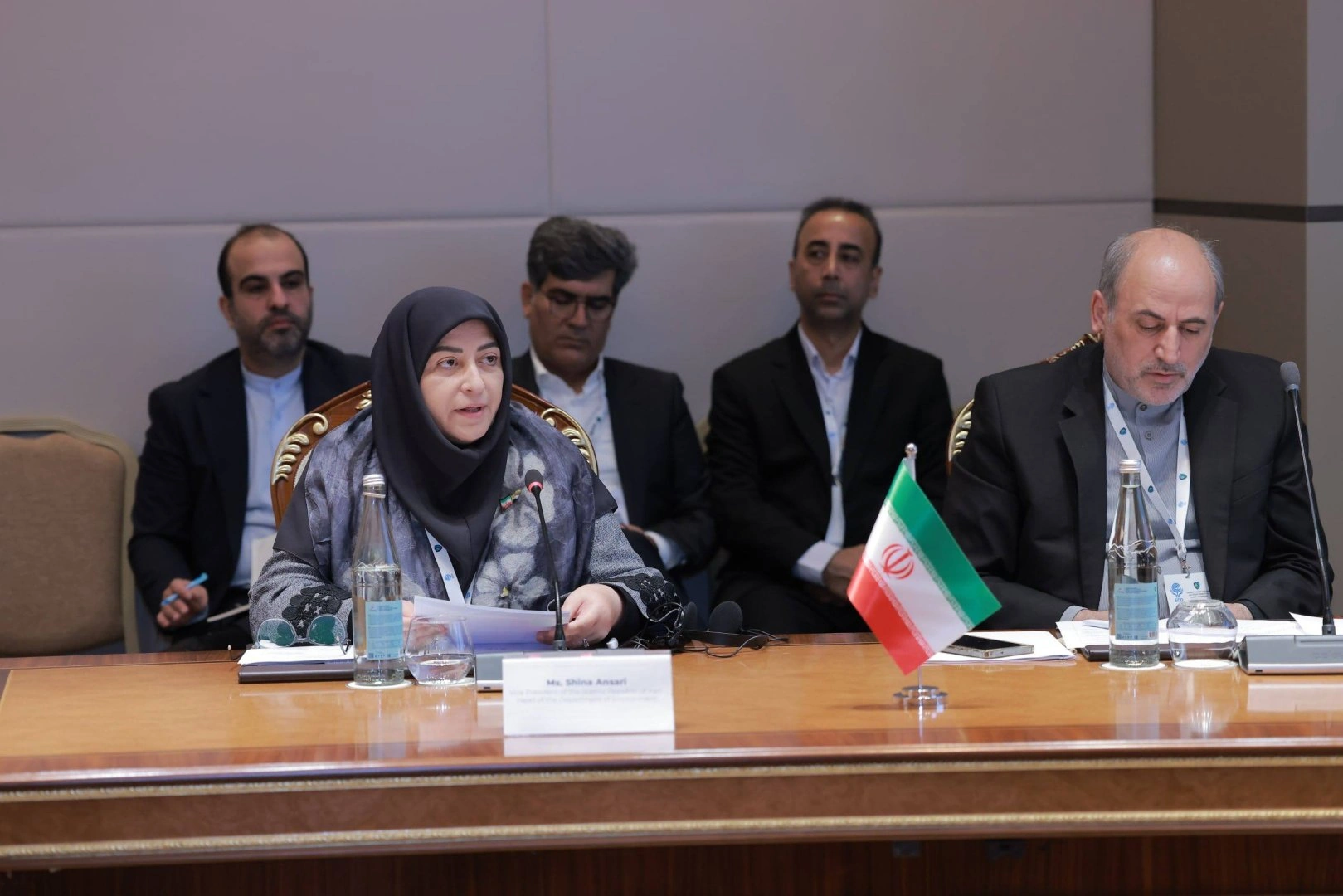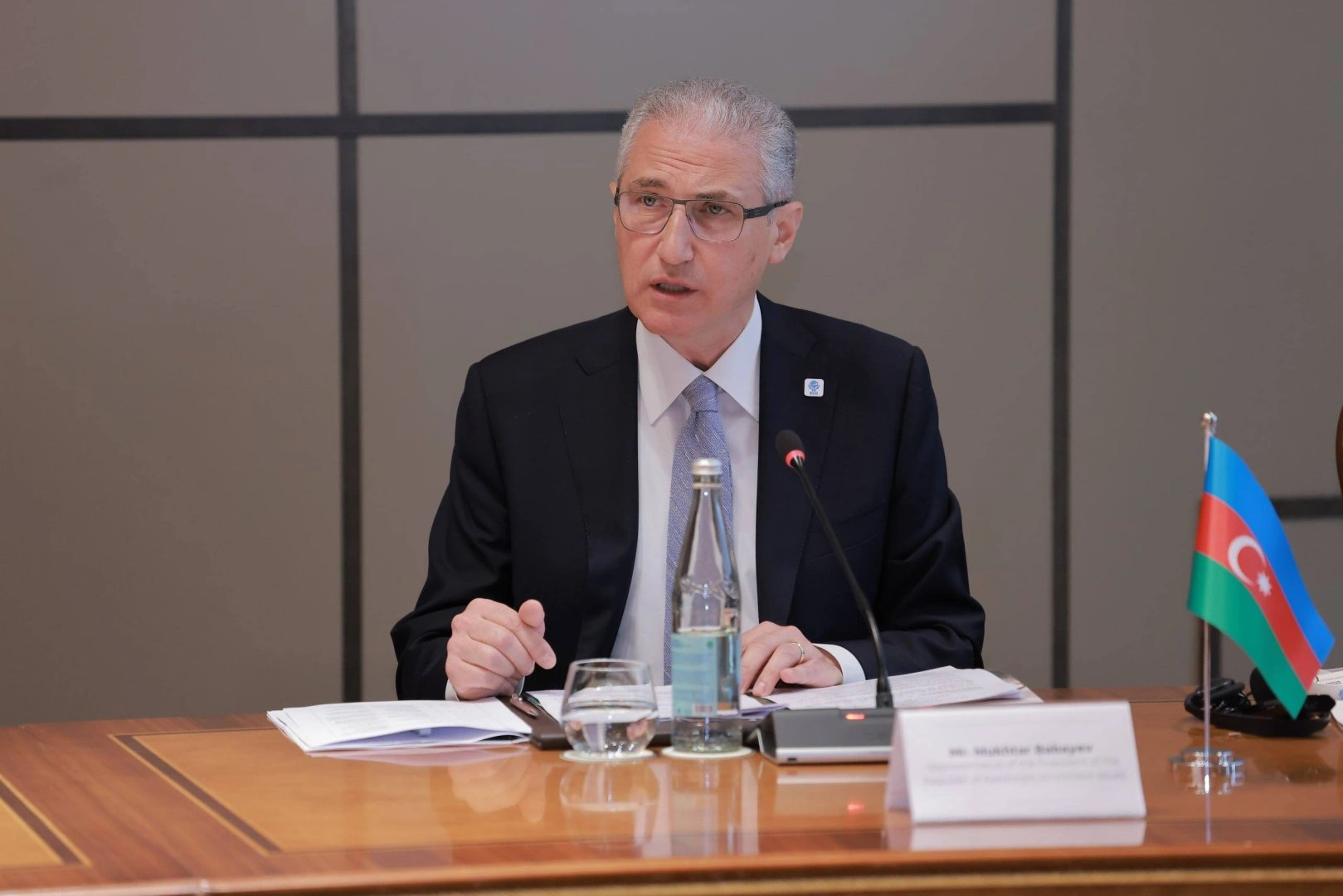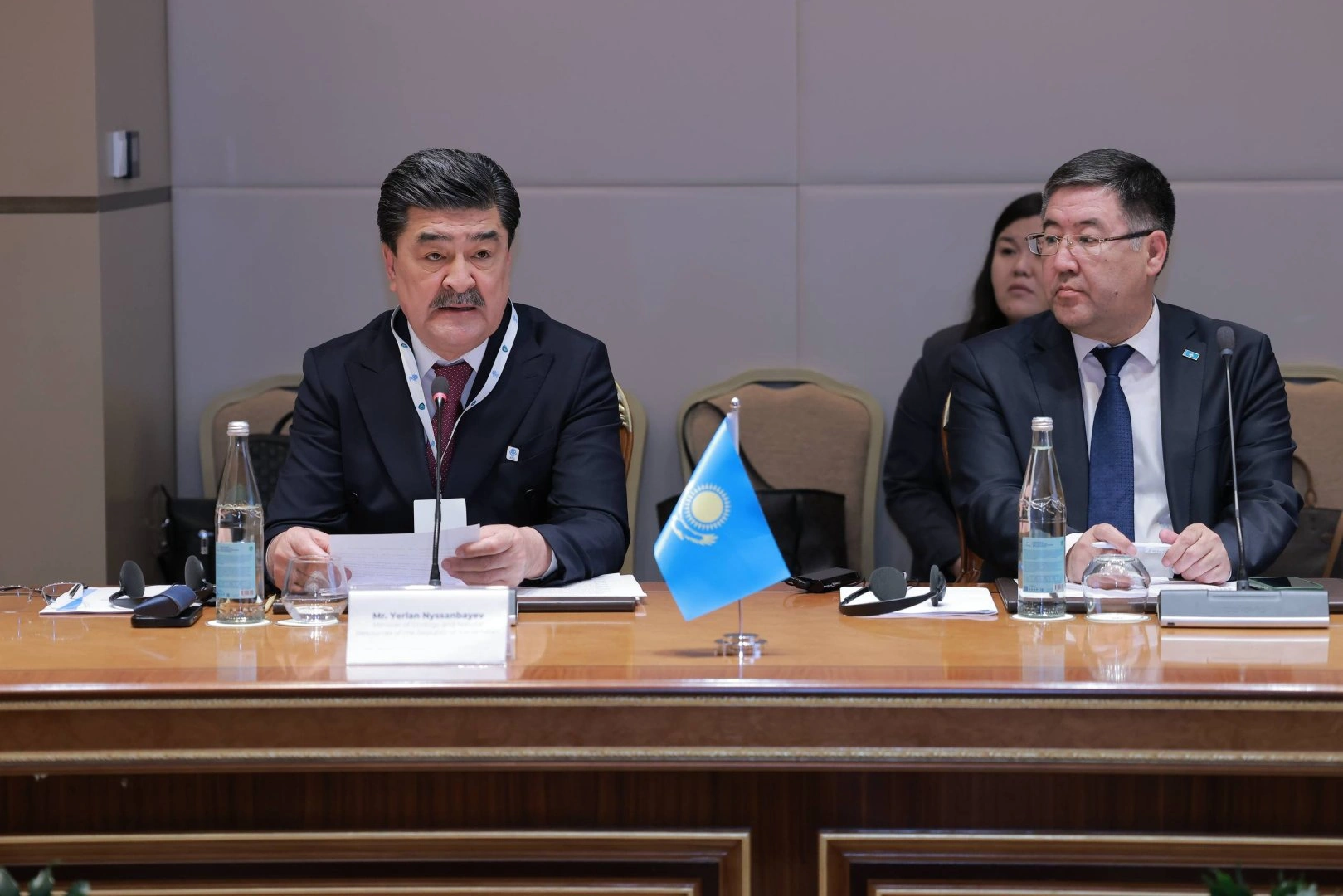
BAKU, Azerbaijan, June 4. The Sixth Ministerial
Meeting on Environment was convened with a focus on programs
addressing climate change and biodiversity, the Samarkand
Declaration, and regional environmental cooperation, Trend reports via the Uzbek
Committee on Ecology and Climate Change.
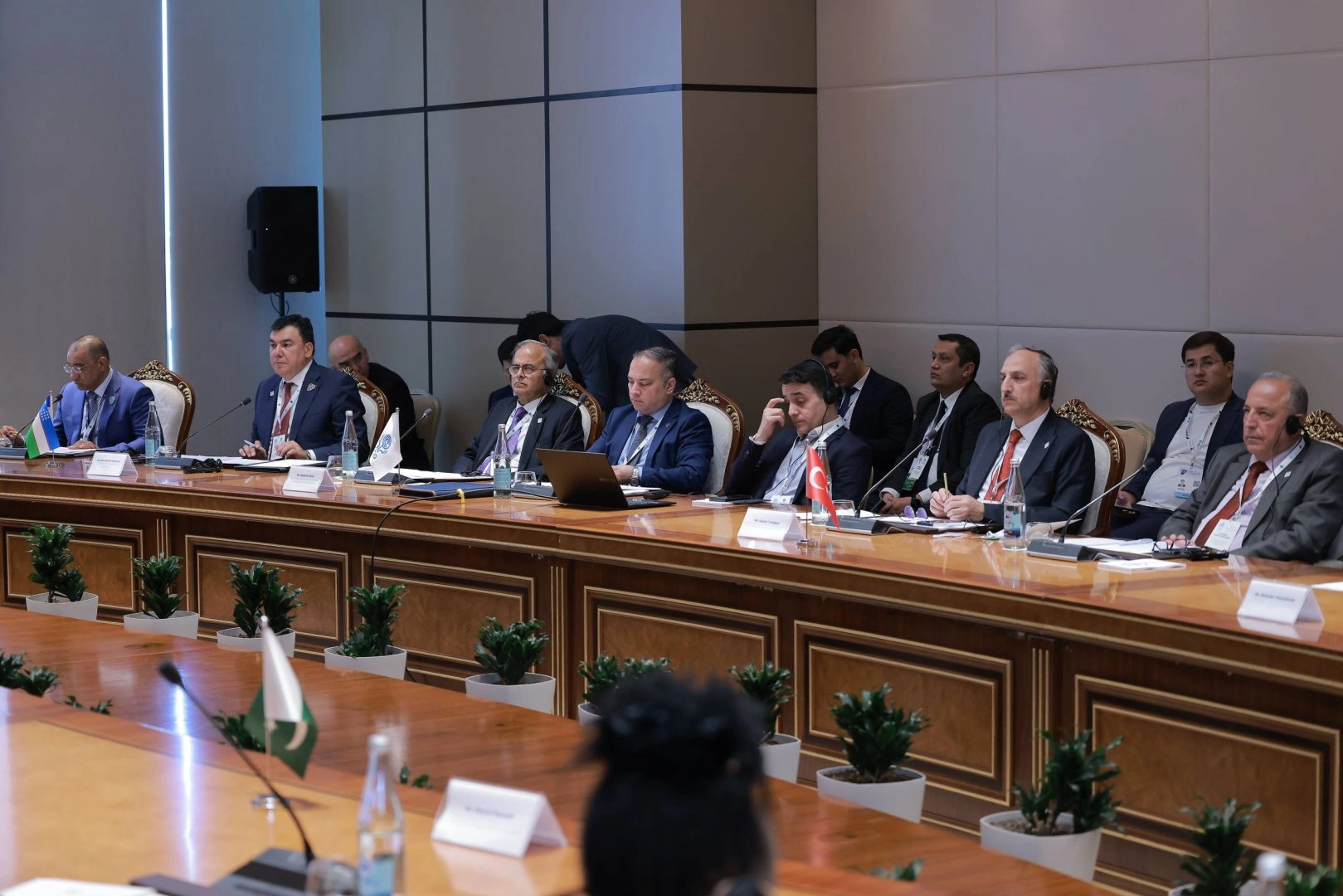
Held within the framework of the international Eco Expo Central
Asia 2026, the meeting brought together heads of environmental
agencies, representatives of the Economic Cooperation Organization
(ECO) Secretariat, international organizations, and environmental
experts to deliberate on regional responses to climate and
environmental challenges.
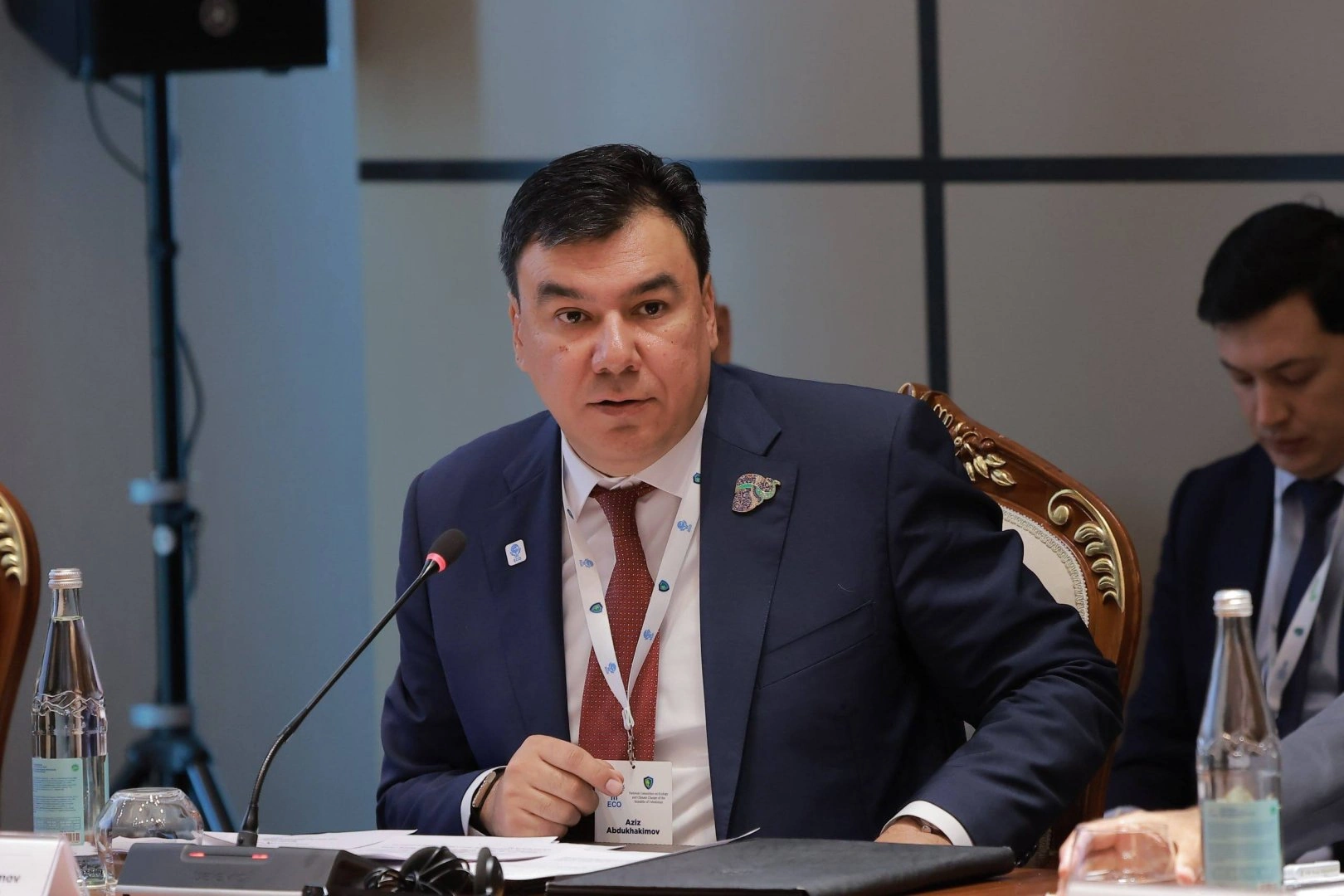
In his opening remarks, Aziz Abdukhakimov, Adviser to the
President of Uzbekistan on environmental issues and Chairman of the
National Committee on Ecology and Climate Change, underscored the
significance of the event.
“Today’s meeting carries special importance. For the first time
in the past twelve years, environment ministers from ECO member
states have convened to develop coordinated approaches to
contemporary environmental challenges,” Abdukhakimov stated.
Participants reviewed a series of policy documents, including
the ECO Framework Program for Environmental Cooperation 2026–2030,
thematic work programs on climate change and biodiversity, and the
Samarkand Declaration, described by officials as the foundation for
a new phase of regional environmental partnership.
Discussions concentrated on member states’ environmental
priorities, including climate change mitigation and adaptation,
sustainable management of natural resources, prevention of land
degradation, and biodiversity conservation. Delegates further
examined strategies to combat desertification, strengthen
scientific and technical cooperation, promote sustainable forest
management, and enhance preparedness for sand and dust storms.
During the ministerial session, Uzbekistan presented a number of
initiatives aimed at expanding regional environmental cooperation.
Officials emphasized that under the leadership of President Shavkat
Mirziyoyev, the country has prioritized regional dialogue, mutual
trust, and collaborative solutions to shared environmental
challenges.
Particular attention was given to addressing land degradation
and desertification. Uzbek representatives highlighted the work of
the Research Institute for Combating Desertification and Desert
Economy at Green University and expressed readiness to deepen
cooperation with ECO member states in scientific research,
technology exchange, and joint pilot projects.
Uzbekistan also proposed the development of a cross-border
“Green Program” for ECO member states for 2026–2030, focusing on
afforestation and ecosystem restoration in desert areas. Another
proposal called for establishing a regional early-warning system
for sand and dust storms through the ECO High-Level Platform on
Environmental Cooperation.
Following the meeting, participants approved the ECO Framework
Program for Environmental Cooperation 2026–2030 and its
accompanying thematic action plans on climate change and
biodiversity. They also adopted the Samarkand Declaration on
Regional Environmental Cooperation, reaffirming member states’
commitment to closer collaboration in addressing environmental and
climate-related challenges across the region.
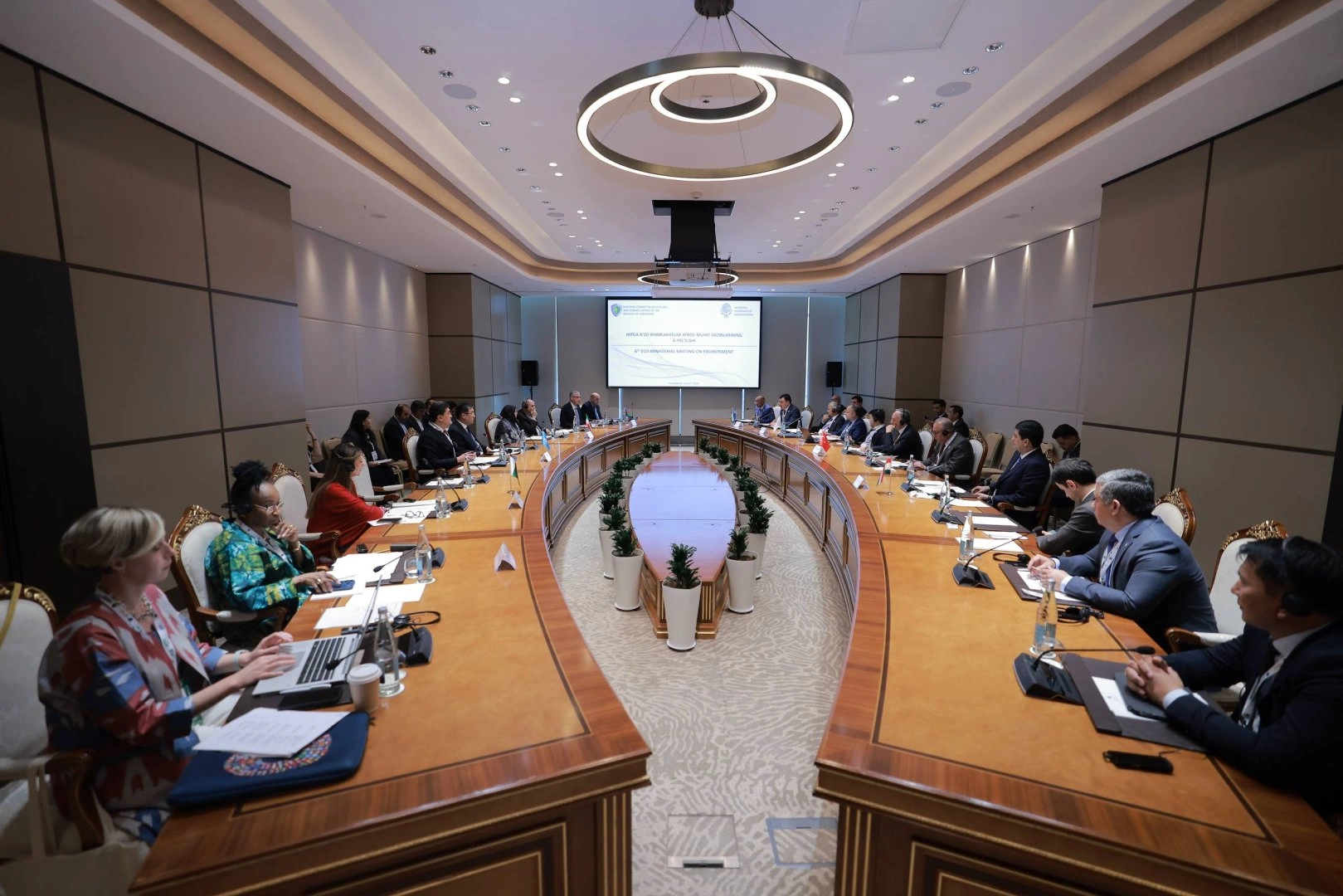
Environment ministers and senior officials from member states of
the Economic Cooperation Organization (ECO) gathered in Samarkand
on June 3 for the organization's Sixth Ministerial Meeting on
Environment, marking the first such gathering in more than a
decade.