BAKU, Azerbaijan, June 3. The Garadagh solar
power plant (SPP) in Azerbaijan has no limits for electricity
generation, as it's the first utility-scale project in the country,
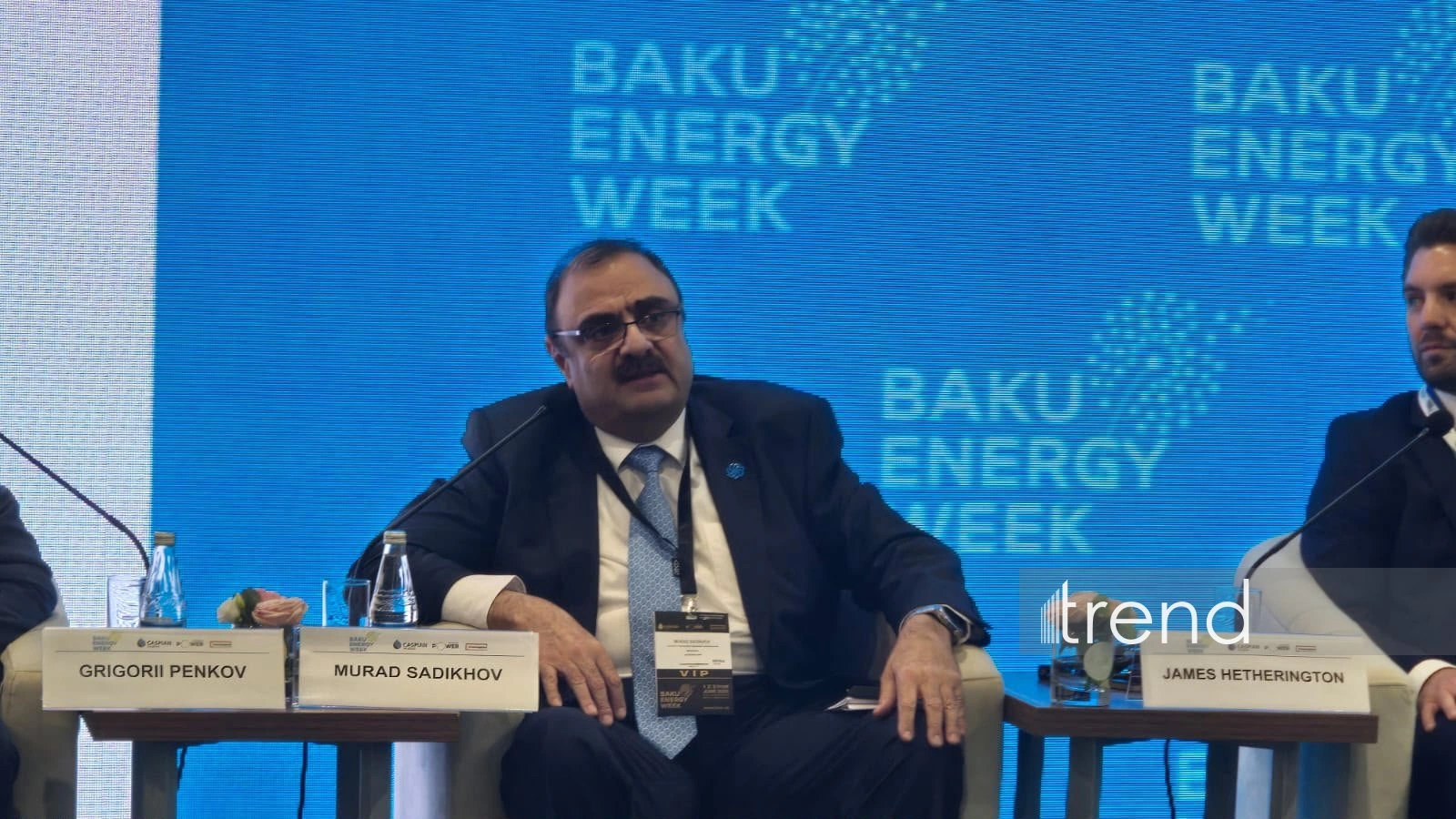
head of the Masdar representative office in Azerbaijan, Murad
Sadikhov, said during a panel discussion held at the 31st
International Caspian Oil and Gas Exhibition, Trend reports.
"At the same time, there is a certain limit on the power output
to the grid. The plant is capable of generating more electricity,
but due to limitations in the grid infrastructure, we cannot
transmit the entire potential output to the grid," he noted.
He also emphasized that forecasting generation is becoming one
of the key risks for renewable energy projects in the face of
climate change.
"We saw what happened in May: heavy precipitation, hail, and
other unusual weather events," he said.
According to him, such climate changes could not have been fully
taken into account during the plant's design and operational
forecasting stages.
He also noted that the Garadagh SPP isn't equipped with an
energy storage system, as the project was initially implemented as
a pilot project.
"A similar situation is characteristic of two other solar
projects—Bilasuvar and Neftchala—which are currently under
implementation," he explained.
At the same time, he believes the government will gradually
introduce energy storage systems in the future.
As an example, he cited the country's first battery energy
storage system project, implemented by Azerenergy, with a capacity
of 250 MW and a capacity of 500 MWh, designed to regulate the
frequency and flow of electricity in the power grid.
Overall, he said, being the first major solar project has
allowed him to avoid a number of network problems that many
renewable energy facilities face.
"Fortunately, these challenges have not yet had a significant
impact on our work," he added.
The 230 MW Garadagh solar power plant was commissioned on
October 26, 2023, as part of a pilot project with Masdar, a company
from the United Arab Emirates (UAE).
The plant was built with $262 million in foreign investment. It
generates approximately 500 million kWh of electricity annually,
saving 110 million cubic meters of natural gas. Its operation
prevents the emission of 200,000 tons of carbon dioxide into the
atmosphere.