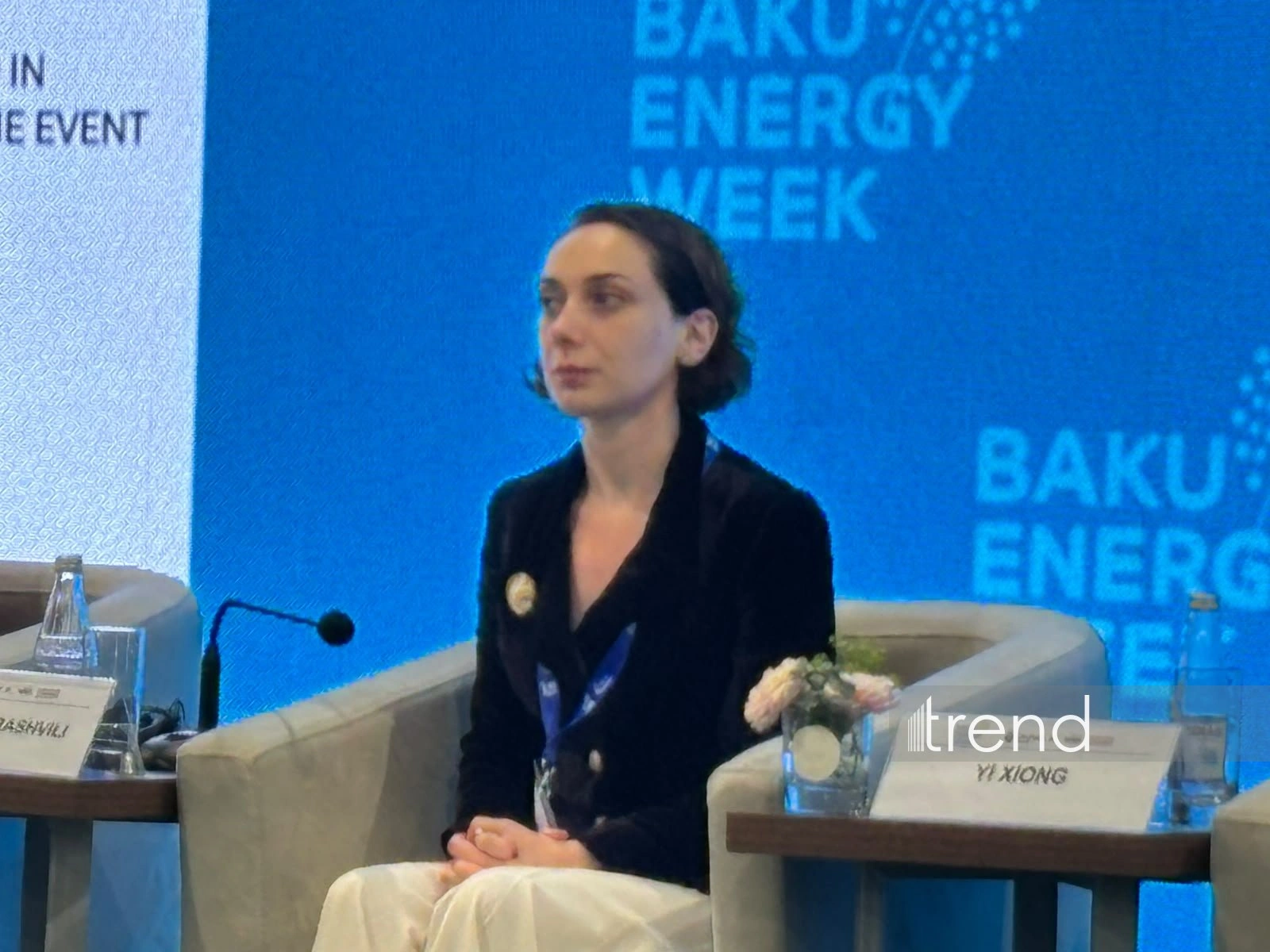
BAKU, Azerbaijan, June 3. The integration of
distributed renewable energy sources requires increased reliability
and flexibility of distribution networks, including the
modernization of infrastructure and control systems, an energy
consultant at the World Bank, Teona Elizarashvili, said during a
panel discussion held as part of the 31st International Caspian Oil
and Gas Exhibition, Trend reports.
According to her, distributed energy resources consist of small
and medium-sized generating units located close to consumers.
"Unlike traditional power plants, these are small and
medium-sized renewable energy units located very close to
consumption centers," she noted.
She emphasized that with the development of such sources, the
very architecture of the energy system is changing.
"Previously, energy systems were designed with large-scale
generation located in a single location, and the flow of
electricity was one-way—from generation to consumers. Now the
situation has changed, and the flow is becoming two-way," the
expert said.
Elizarashvili pointed out that this is placing additional strain
on distribution networks.
"This is putting significant pressure on the existing
distribution infrastructure, especially on lines and transformers,"
the consultant emphasized.
According to her, additional challenges include fluctuations in
solar generation, reverse power flows, power quality issues, and
the need to improve grid visibility.
"Transformers must regulate voltage very frequently and
dynamically, which creates additional strain on the grid," she
noted.
"When the unpredictable nature of electric vehicle charging is
added to this, it creates additional stress on the system," she
concluded.