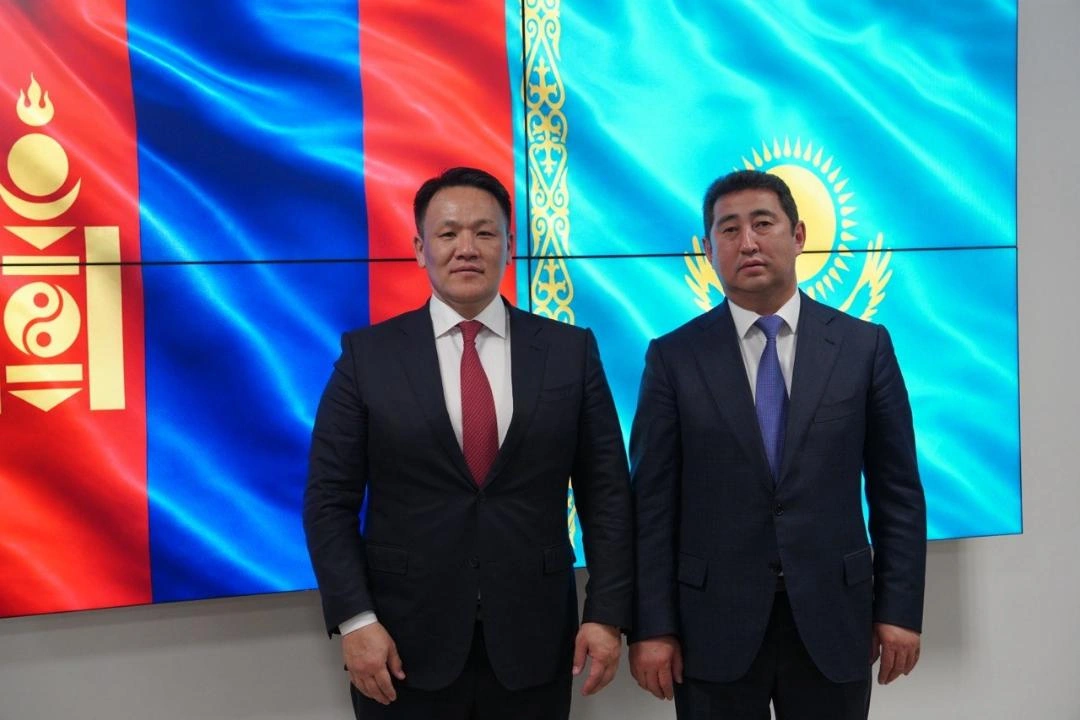
ASTANA, Kazakhstan, May 29. Kazakhstan and
Mongolia have agreed to strengthen cooperation in agricultural
trade, logistics, and agrarian science following talks between
Kazakhstan’s Minister of Agriculture Aidarbek Saparov and
Mongolia’s Deputy Prime Minister Nyamtaishiryn Nomtoibayar,
Trend reports via the
Kazakh ministry.
The discussions focused on key areas of bilateral engagement in
the agro-industrial complex, including the expansion of mutual
trade, the development of logistics infrastructure, the advancement
of agricultural science, and cooperation in veterinary and
phytosanitary control.
Saparov noted that the state visit of Mongolian President
Ukhnaagiin Khürelsükh to Kazakhstan in April 2026 provided new
momentum to bilateral relations and elevated cooperation to a
qualitatively new level.
“Agreements reached between the heads of state open additional
opportunities to strengthen trade and economic ties and expand
cooperation in agriculture. Trade in agricultural products between
our countries shows steady positive dynamics. In the first three
months of 2026, mutual trade increased by 10%. We are ready to
increase supplies of grain, flour, sunflower oil, rice, and fruit
and vegetable products,” Saparov said.
In turn, Mongolian deputy prime minister highlighted the strong
potential for cooperation and the importance of practical
implementation of previously reached agreements.
“Mongolia considers Kazakhstan an important and promising
partner in agriculture. We have a broad range of mutual interests —
from trade and logistics to regional cooperation. We are interested
in expanding trade turnover, developing sustainable transport and
logistics chains, and deepening interregional ties. Consistent
joint work is key to advancing our initiatives,” he said.
Special attention was paid to phytosanitary safety and plant
quarantine. Relevant agencies of both countries are working on a
memorandum of cooperation covering information exchange on
phytosanitary conditions, coordination in identifying and
diagnosing quarantine pests, and harmonization of regulatory
frameworks.
The sides also discussed cooperation in leather and wool
processing, agricultural science, and educational programs.
Kazakhstan proposed joint projects in seed production, including
cereals, potatoes, vegetables, and fruit crops, as well as expanded
cooperation in horse breeding.
Furthermore, the parties confirmed their readiness to further
strengthen agricultural partnership, emphasizing its importance for
food security and sustainable development in Kazakhstan and
Mongolia.